Post by : Anis Karim
Barbecue in India has always been more than a technique — it has been a cultural heat source. Charcoal-smoked seekh in bylanes of Delhi. Tandoori roti puffing against clay walls. Coastal fish kissed by coconut shell embers. Lucknowi galouti melting with delicate smoke. Tribal pit-roasts in rural belts, slow-cooking over wood fires.
Fire is memory. Smoke is history. Spice is identity.
But as diners evolve and cooking philosophies shift, the Indian BBQ story is being rewritten — not away from roots, but deeper into them.
The new BBQ culture blends:
heritage cooking techniques
clean and responsible fuels
farm-traceable ingredients
minimal-intervention seasoning
slow cooking with mindful flavor
and plate designs that feel artisanal, not overloaded
This is barbecue as craftsmanship — not chaos.
Traditional street-style BBQ had a reputation: heavy char, thick marination, excess smokiness, and generous use of oil and food colors.
Today’s consumer sees health not as absence of indulgence, but as clarity and control.
The clean-label BBQ movement demands:
no artificial colors
no chemical tenderizers
clear spice sourcing
natural smoke, not liquid smoke shortcuts
whole ingredients over synthetic extracts
clean oils and balanced marinades
Authenticity is becoming ingredient-driven, not appearance-driven. Spice blends are simpler, fresher, and traced back to soil — not a packet.
The result? A plate that looks raw in honesty, not raw in preparation.
Fire is flavor — but now fire must also be ethical.
Indian pitmasters and restaurants are shifting towards:
coconut husk briquettes
wood pellets from orchard waste
compressed sawdust blocks
bamboo charcoal
eco-log blocks
LPG-assisted heat with wood infusion chambers
The goal isn’t abandoning flame — it's refining it.
reduced emissions
more consistent heat
cleaner smoke flavor
lower ash residue
sustainable sourcing
improved air quality in urban grills
We’re entering an era where diners ask not only: What am I eating?
But also: What cooked it?
Barbecue fuel has become part of the menu narrative.
India’s original BBQ is older than the word “barbecue” itself. Tribal roasted tubers, tandoor bread from Punjab, Angara-style cooking in Central India, Northeast bamboo roasts, Dindigul charcoal traditions — our grill map runs deep.
2025’s Indian chefs are reclaiming these roots with contemporary minimalism.
Bamboo-smoked pork from Northeast reinterpreted with heirloom rice sides
Kashmiri tabak maaz slow-finished with gentle ember sear
Kerala toddy-shop fish grilling with coastal spice rubs and plantain wrapping
Goan vinegar-kissed chorizo grills with wood-smoked onions
Mangalorean ghee-brushed tawa BBQ prawns elevated with fire torches
Bundelkhandi pit-cooked rustic chicken showcased in boutique restaurants
Technique is transcending trend — and India’s native grilling wisdom is finding its stage again.
Once, barbecue meant one thing: meat.
Now, plant-forward BBQ is a serious culinary conversation.
Chefs are grilling:
jackfruit ribs with tamarind glaze
smoky beet seekh rolls
paneer slabs marinated in stone-ground masala
mushrooms stuffed with garlic-curd and roasted over wood
sweet potatoes brushed with ghee and chilli salt
charred pumpkin with jaggery smear and mustard oil burn
baingan smoked with pomegranate chaat drizzle
broccoli and cauliflower steaks with Kashmiri chili crust
Fire is not a meat thing — it's a flavor language.
Vegetarian barbecue has moved from “option” to “centerpiece.”
Today’s conscious carnivore isn’t sentimental — they're scientific.
BBQ lovers now look for:
hormone-free sourcing
traceable livestock farms
pasture-raised poultry
clean butchery practices
responsible fishing
chilled not frozen supply chains
zero-waste meat cuts
ethical fat usage
Cuts like chicken supreme, mutton chops, brisket plates, and rib racks are making their place on menus, but handled with respect for origin and protein value.
The meat is no longer masked by spices — it is elevated by them.
Old-style BBQ leaned heavily on overpowering masala. New-age BBQ respects restraint.
Spice philosophy in 2025 is about:
whole spices toasted fresh
earthy rubs with just four or five notes
smoky salts
roasted coriander, cumin, and black pepper as stars
ghee and mustard oil as flavour vehicles
jaggery as carameliser instead of refined sugar
When spice isn't loud, smoke speaks.
When marinade isn’t muddy, protein breathes.
Barbecue is moving from “how much we apply” to “how pure the flavor feels”.
Fast BBQ belongs to street corners; slow barbecue belongs to craft kitchens.
We’re seeing:
overnight marinades
4-hour coal slow-cook cycles
smoke-rest-smoke technique
controlled dry-aging rooms for meats and paneer
patience as a cooking ingredient
The consumer understands wait-time. Slow-cooked biryanis have trained them. Artisanal BBQ uses time like seasoning.
Heat isn't rushed.
Flavour isn't forced.
Smoke isn't violent.
It whispers.
The new BBQ aesthetic blends rugged heat with refined plating:
wooden boards
clay plates
hammered metal serveware
charcoal-black stone platters
banana leaves
pickled sides for acidity balance
cold yogurt textures against heat
artisan breads with fire blister
You don't just taste barbecue now — you experience it.
Smoke on the nose.
Char in the air.
Wood crackle soundtrack.
Molten spices on a crisp edge.
It’s theatre without flash.
Luxury without noise.
Warmth without chaos.
A new diner profile is shaping BBQ direction:
They seek:
clean ingredients
cultural story
menu transparency
non-greasy indulgence
artisanal touch
Instagram-worthy presentation, yes — but with soul
They ask questions about provenance.
They admire technique.
They respect simplicity.
Food literacy has risen — and so have expectations.
The sustainable BBQ movement, though promising, faces challenges:
clean fuel sourcing consistency
higher ingredient and labour cost
longer preparation windows
training chefs in old-new hybrid craft
finding suppliers for natural spice blends
avoiding pretentious “gourmet inflation”
balancing heritage with innovation
Yet, each challenge strengthens the craft, not weakens it. The movement grows because it has purpose, not popularity alone.
BBQ in India is shifting from “fire and heat” to “smoke and depth” — from aggressive grilling to soulful fire cooking.
Expect to see:
smoke bars & fire-only menus
zero-waste BBQ kitchens
vegetable BBQ tasting menus
rubs blended in-house from regional farms
natural wood chips from fruit orchards
BBQ broths and slow-smoked lentils
spice-infused smoked oils
BBQ breakfasts with smoked ghee parathas
kombucha and fermented chutneys alongside grills
Fire and fermentation will become siblings again — as they once were in ancient kitchens.
This is not western BBQ adapted to India.
It's Indian BBQ reclaiming its dignity and global relevance.
Smoke isn’t a trick.
It’s a language, and India speaks it fluently.
This content explores dining and culinary trends for informational purposes. Food businesses should consider local regulations, sourcing availability, and operational costs before implementing sustainable BBQ models. Consumers with dietary restrictions should consult nutrition or medical professionals when exploring high-heat or smoked food diets.

Umno Considers Rejoining Former Members Through Rumah Initiative
Umno is set to review re-entry applications from former members at an upcoming council meeting in Me
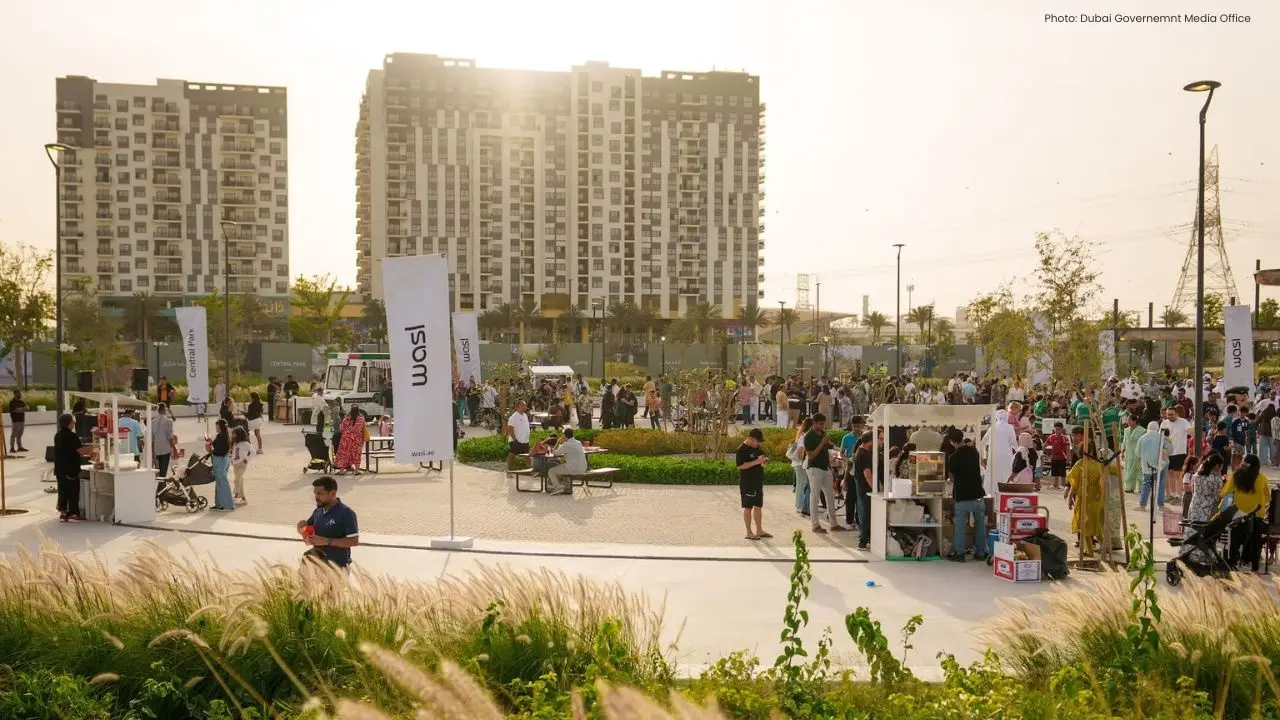
Wasl Gate Opens Massive Central Park in Dubai Community
Wasl Group opened Central Park at Wasl Gate in Jebel Ali, a 82,700 sqm community space with sports,

Setback for Malaysia as Pearly Tan Withdraws from Uber Cup
Pearly Tan's withdrawal due to injury creates challenges for Malaysia in the upcoming Uber Cup Final

Strengthening Ringgit Stands Out as Malaysia Gears for GDP Data
As Malaysia anticipates its 1Q 2026 GDP data, the ringgit shows impressive strength against the US d

Kuala Lumpur Robbery Incident Sees Six Arrested, Including Cop
Six individuals, including a police officer, face charges for gang robberies in Kuala Lumpur involvi

UAE, Kazakhstan Leaders Boost Bilateral Cooperation Ties
UAE and Kazakhstan leaders discuss boosting bilateral ties, enhancing cooperation across sectors, an

Explore Tara Sutaria’s Stylish abode in Mumbai
Step inside Tara Sutaria's chic Mumbai home, showcasing her personal touch and passion for design du


7 Daily Habits to Burn Belly Fat Naturally
Discover 7 simple daily habits to burn belly fat naturally without extreme dieting. Easy, effective

Power of Compounding: How $5,000 Can Grow Into $120,000
Discover how compounding turns $5,000 into $120,000 over time. Learn long-term investing strategies

When to Test Blood Sugar: Morning vs After Breakfast Explained
Should you check blood sugar fasting or after meals? Learn the best time to test glucose levels and

WhatsApp Down Today? Users Report Strange Issue Worldwide
WhatsApp users report message delays and strange issues worldwide. Find out what happened, why it oc

Is Your Phone Spying on You? 6 Android Settings to Turn Off Now
Worried your phone is spying on you? Learn 6 Android settings to turn off now to protect your privac

7 Protein-Rich Indian Foods You Should Add to Your Daily Diet
Discover 7 protein-rich Indian foods to boost your daily protein intake naturally without supplement

Is It Safe to Keep Laptop Plugged In All the Time? Battery Truth Explained
Is it safe to keep your laptop plugged in all day? Learn the truth about battery health, charging ha

Actual Cost of Living in Dubai for a Family : Rent, School Fees & Monthly Expenses
Discover the real cost of living in Dubai for a small family in 2026, including rent, school fees, g