Post by : Sam Jeet Rahman
The United Arab Emirates climate plays a powerful role in shaping how people live, work, travel, exercise, socialize, and rest. Unlike temperate countries where daily routines remain mostly consistent year-round, the UAE’s hot desert climate directly influences daily schedules, productivity cycles, social habits, and lifestyle planning. Understanding this climate-driven rhythm is essential for residents, businesses, tourists, and policymakers alike.
In the UAE, the day is not structured only by clocks—it is structured by heat, humidity, sunlight intensity, and seasonal weather shifts. These environmental factors quietly dictate when people wake up, when they work best, when cities feel alive, and when rest becomes necessary.
The UAE has a subtropical desert climate, characterized by long, extremely hot summers and short, mild winters.
Key climate features include:
Summer temperatures often exceeding 45°C
High humidity, especially in coastal cities
Strong sunlight and UV exposure
Minimal rainfall
Milder winters with cooler evenings
These conditions influence biological energy levels, outdoor activity tolerance, and daily time management.
In the UAE, early mornings are the most productive and active part of the day, especially during summer months.
Lower temperatures before sunrise
Reduced humidity
Higher physical and mental energy
Safer outdoor conditions
As a result, many people:
Wake up earlier than in cooler countries
Schedule walks, workouts, and errands before 8 AM
Begin workdays earlier to avoid afternoon heat
Construction workers, delivery teams, cleaners, and outdoor staff rely heavily on early-morning schedules to remain safe and efficient.
The UAE workforce operates with climate awareness built into daily planning.
In sectors like construction, logistics, and infrastructure, split shifts are common. Workers start early, pause during peak heat hours, and resume later.
During summer, the UAE enforces midday work bans for outdoor laborers to prevent heat-related illnesses. This directly shapes business operations and project timelines.
Office environments compensate with:
Air-conditioned indoor spaces
Flexible working hours
Hybrid or remote options during peak summer
The goal is maintaining productivity without risking health.
Extreme heat places additional stress on the human body.
Dehydration risk increases
Blood circulation adapts to cooling
Sleep quality may reduce during hot nights
As a result, many people experience:
Afternoon fatigue
Reduced concentration post-lunch
Slower reaction times in peak heat
Daily schedules naturally shift toward lighter afternoons and more active evenings.
Unlike colder regions where afternoons remain productive, the UAE experiences a natural afternoon slowdown.
Between 1 PM and 4 PM:
Outdoor activity reduces
Traffic decreases slightly
Shopping malls replace outdoor markets
Rest periods become common
This is not laziness—it is climate adaptation.
One of the most visible impacts of UAE climate is the vibrant evening lifestyle.
Temperatures drop significantly after sunset
Humidity becomes more tolerable
Streets become safer and more comfortable
Energy levels recover
As a result:
Families dine late
Social gatherings start after 8 PM
Shopping malls stay open until midnight
Gyms peak at night
The UAE’s nightlife is not just cultural—it is climate-driven.
Prayer times, community gatherings, and religious routines naturally align with climate patterns.
Dawn and evening prayers align with cooler periods
Friday gatherings avoid peak heat hours
Ramadan schedules shift toward nighttime activities
Fasting hours feel more manageable when daily routines adapt to temperature cycles.
Educational institutions adjust calendars and daily routines to suit climate conditions.
Long summer vacations align with peak heat
Winter months host most outdoor activities
Early start times
Reduced outdoor sports during midday
Indoor physical education during summer
Student concentration and safety are prioritized through climate-aware planning.
The UAE climate affects how and when people travel.
Traffic peaks earlier in the morning and later in the evening, avoiding midday heat.
Walking distances are minimized
Shaded walkways are preferred
Metro stations and bus stops are climate-controlled
Urban planning increasingly reflects heat-adaptive mobility.
Fitness routines in the UAE are heavily climate-adjusted.
Early morning workouts
Late-night gym sessions
Indoor training over outdoor exercise
Outdoor jogging, cycling, and sports peak during winter months.
The UAE lifestyle changes noticeably between seasons.
Indoor-focused schedules
Reduced outdoor socializing
Night-based activities
Outdoor cafes and events
Daytime tourism
Increased walking and cycling
Winter months feel more active and socially dynamic.
Climate influences digestion, appetite, and meal choices.
Lighter meals
Increased hydration
Cold beverages and fruits
Late dinners
Heavier meals
Earlier dining times
Outdoor dining popularity
Meal schedules shift naturally to match body comfort.
Retail, hospitality, and service industries operate with climate awareness.
Extended evening hours
Reduced midday footfall
Weekend nighttime promotions
Businesses that align with climate rhythms perform better.
Tourism schedules are strongly climate-based.
Peak tourism during cooler months
Desert safaris and outdoor attractions in winter
Indoor attractions promoted in summer
Tourist itineraries mirror resident lifestyle adjustments.
Extreme heat can affect mental well-being.
Irritability during peak heat
Reduced motivation
Sleep disturbances
Daily schedules that respect climate limits help maintain emotional balance.
Long-term residents develop instinctive climate awareness.
They learn:
When to step outside
How to pace activities
When to rest
How to plan days realistically
This adaptation becomes second nature over time.
UAE cities increasingly integrate climate-smart features.
Shaded streets
Indoor pedestrian networks
Climate-controlled public spaces
These features directly support healthier daily routines.
Working against the climate leads to burnout. Working with it leads to efficiency.
People who align schedules with temperature cycles experience:
Better focus
Improved health
Higher consistency
Lower stress
Climate-respecting routines are more sustainable.
As climate patterns intensify, adaptive scheduling will become even more important.
Expect:
More flexible work hours
Increased remote work
Smarter urban planning
Technology-driven climate monitoring
Daily life will continue evolving around environmental realities.
The UAE climate is not an obstacle—it is a framework around which life is intelligently organized. From early mornings to lively nights, from work schedules to social habits, daily routines reflect centuries of desert wisdom combined with modern innovation.
Those who understand and respect this climate rhythm experience better health, productivity, and quality of life.
This article is intended for informational purposes only and reflects general lifestyle and environmental observations related to climate patterns in the UAE. Individual experiences may vary based on location, occupation, health conditions, and personal habits. This content should not be considered medical, occupational, or professional advice.
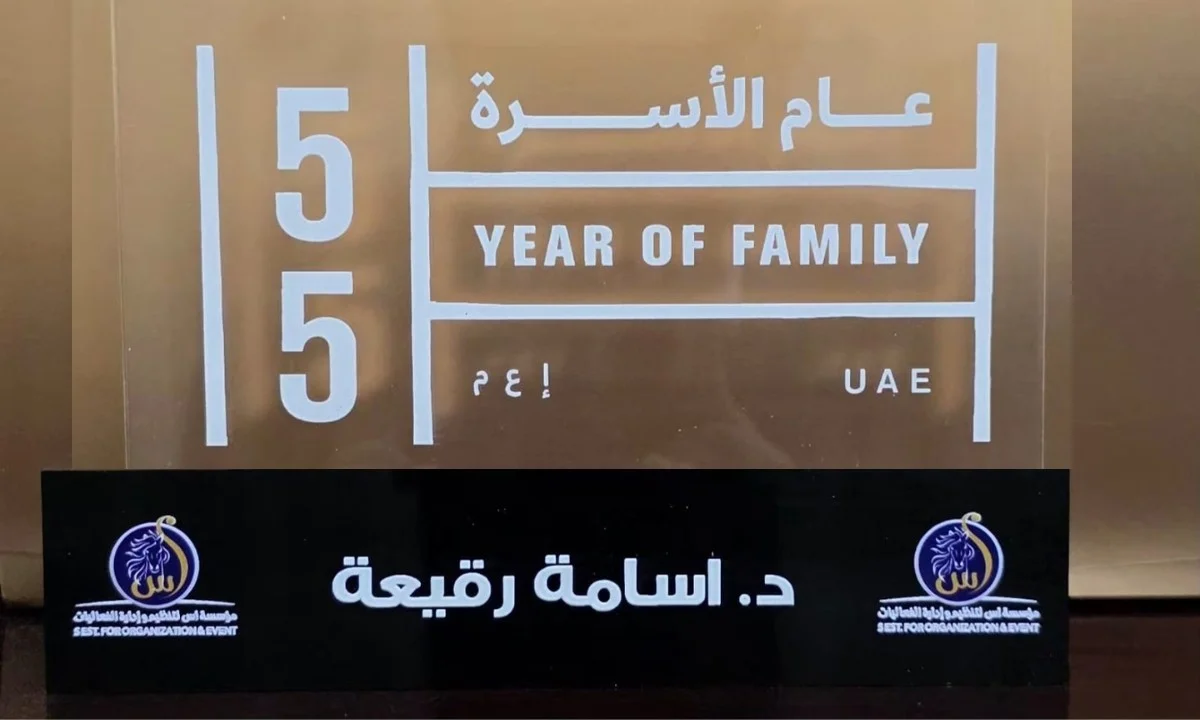
Family Wins “Family of the Year 2026” at Noor Al Quran Event in Ras Al Khaimah
A family honored at the Noor Al Quran initiative in Ras Al Khaimah for Quran memorization and strong

US Approves $16.5B Arms Deal Amid Iran War Escalation
US approves $16.5B arms sale to Gulf allies and $7B to UAE, boosting defence amid Iran tensions whil
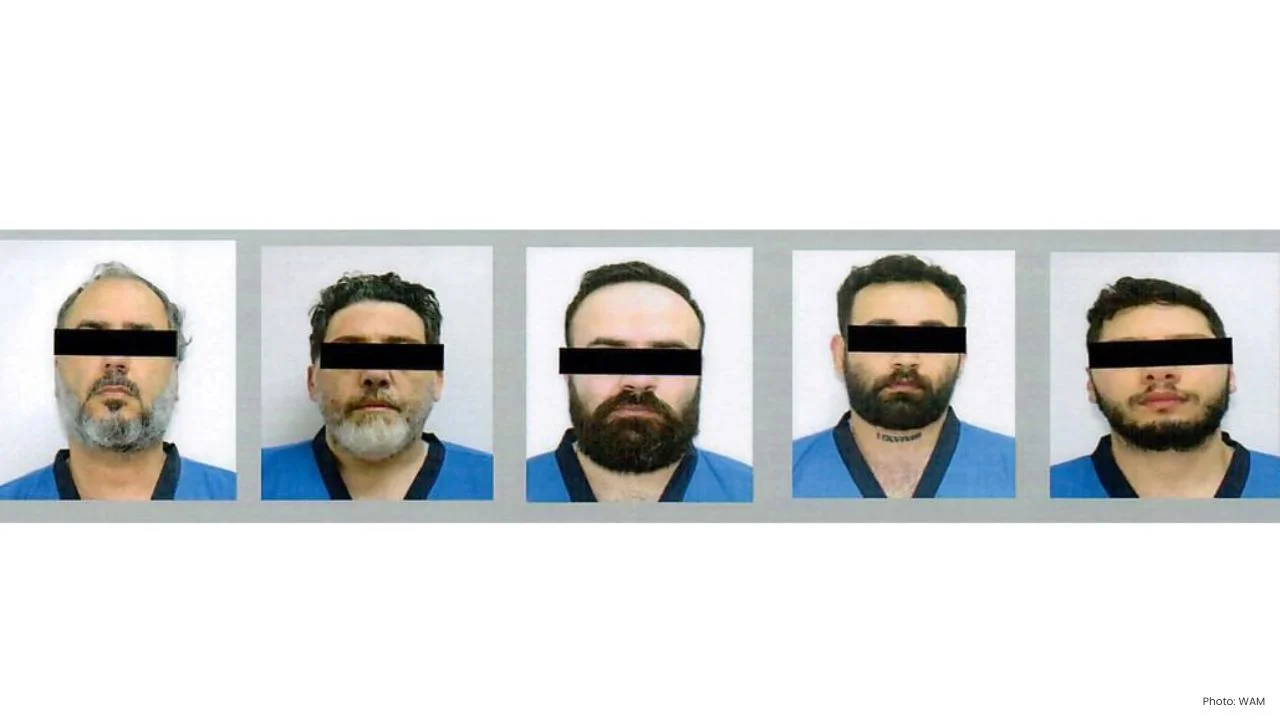
UAE Busts Hezbollah-Iran Terror Network, Members Held
UAE authorities have broken a terror network linked to Hezbollah and Iran, arresting members accused

Swiatek Stunned by Linette in Miami Open Upset Shock
Iga Swiatek suffered a shocking defeat to Magda Linette at the Miami Open, marking her first opening

UAE Orphan Fund Raises AED 3.3 Billion in Ramadan Drive
UAE’s Mother of the Nation Orphan Fund raises AED 3.3B in Ramadan, boosting support for education, h
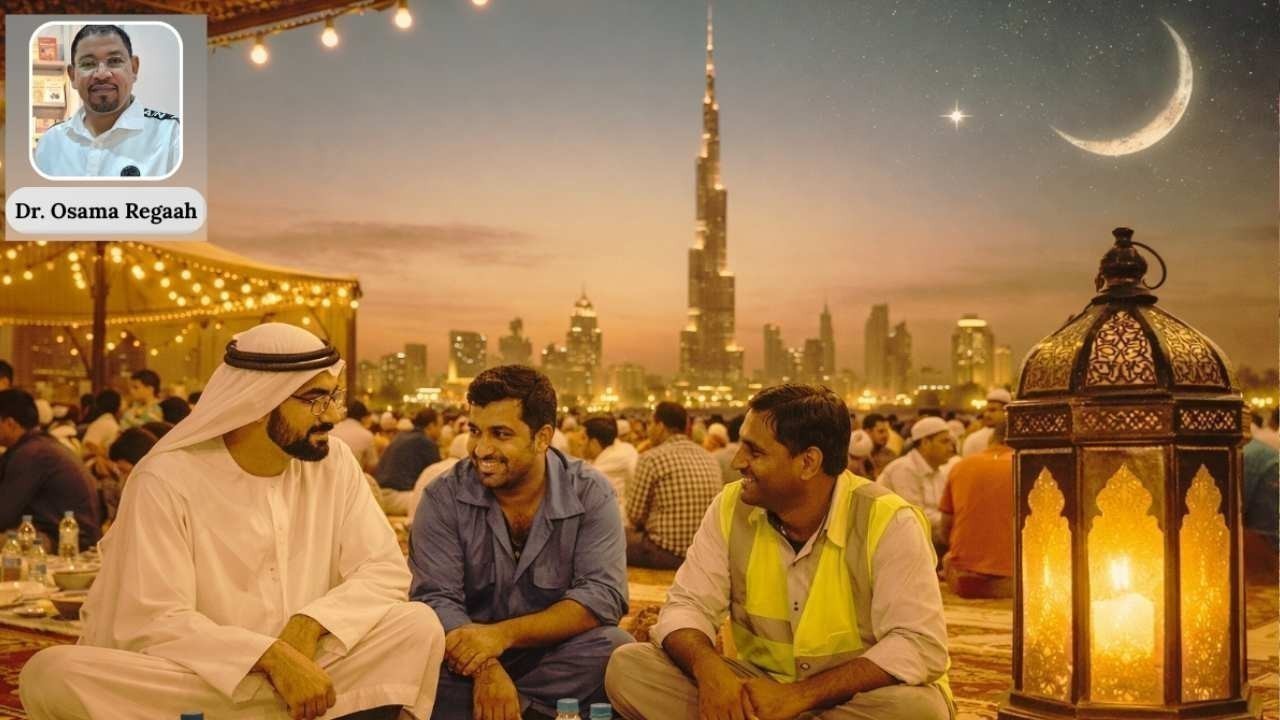
Ramadan in the UAE: Reflections on Humanity, Leadership, and Lasting Values
A heartfelt Ramadan reflection by Osama Regaah on UAE’s spirit of humility, unity, and leadership, a

Dhurandhar 2 Opens Big, Crosses ₹100 Cr on Day 1
Ranveer Singh starrer Dhurandhar 2 earns ₹102 Cr on day one despite delays, beating past Bollywood o


Bank of Baroda Faces Abu Dhabi Legal Battle over NMC Collapse
Bank of Baroda’s involvement in Abu Dhabi litigation tied to the NMC Healthcare collapse raises repu

Top Museum Openings of 2026 Set to Transform Global Tourism
From Los Angeles to Abu Dhabi and Brussels, 2026 brings major museum launches—Lucas Museum, Guggenhe

UAE Tour Highlights UAE’s Strength in Hosting Global Sports Events
Abu Dhabi Sports Council says the successful UAE Tour reflects the UAE’s leading role in hosting maj
EU Seeks Clarity from US After Supreme Court IEEPA Ruling
European Commission urges full transparency from the US on steps after Supreme Court ruling, emphasi
SpaceX Launches 53 New Satellites for Expanding Starlink Network
SpaceX launches 53 Starlink satellites in two Falcon 9 missions, breaking reuse records and expandin
RTA Awards Contract for Phase II of Hessa Street Upgrade in Dubai
Phase II of Hessa Street Development to add bridges, tunnel, and upgraded intersections, doubling ca

UAE Gold Prices Today, Monday 16 February 2026: Dubai & Abu Dhabi Updated Rates
Gold prices in UAE on 16 Feb 2026 updated: 24K around AED 599.75/gm, 22K AED 555.25/gm, and 18K AED

Over 25 Ahmedabad Schools Receive Bomb Threat Email, Authorities Investigate
More than 25 schools in Ahmedabad evacuated after bomb threat emails mentioning Khalistan. Authoriti