
Post by : Anis Karim
For decades, people living with the inherited condition known as autosomal dominant polycystic kidney disease (ADPKD) have carried a heavy burden. The disease quietly seeds the kidneys with fluid-filled cysts that steadily enlarge, damaging healthy tissue and eventually reducing kidney function. Many patients face the prospect of dialysis or transplant in mid-life. Until now, treatment options have been limited and side effects significant.
This week, new research unveiled a specially designed monoclonal antibody therapy that has shown remarkable promise in early preclinical studies. The work suggests that it may be possible to halt—or even reverse—the unchecked cyst growth that defines ADPKD. The announcement triggered a wave of reactions among patients: relief, hope, caution, and realism all mixed together.
In this article we explore the science behind the breakthrough, how patients are responding, what this means for the future, and what individuals diagnosed with ADPKD should be asking their kidney specialists now.
ADPKD is the most common inherited kidney disorder. In affected individuals, genetic mutations result in the formation of expanding cysts in both kidneys. Over time, these cysts compress healthy tissue, reduce filtering capacity, cause pain, high blood pressure, and ultimately renal failure in many.
The tricky part is that the disease develops slowly—symptoms may not appear until the 30s or 40s—and by then the kidneys may have enlarged and function substantially reduced. The current approved therapies slow—but do not stop—progression, and many are limited by side-effects, cost, and patient tolerance.
Because the cysts grow inside sealed chambers of epithelial cells, reaching them effectively with a therapy has remained a vexing challenge. Traditional drugs have lacked sufficient specificity or caused collateral damage to healthy tissue. That’s why this week’s antibody breakthrough has generated such fresh excitement.
Researchers at a major U.S. institution developed an antibody specially engineered to infiltrate kidney cysts and block a key receptor known as c-MET, which plays a major role in cyst expansion. The key innovations:
The antibody is of the dimeric IgA type, designed to cross epithelial-cell layers and penetrate cyst lumens, unlike conventional IgG antibodies which cannot.
In animal models, the antibody successfully reached the cyst interior, bound to the c-MET receptor, reduced signalling that drives cyst growth and triggered increased death of cyst-lining cells—without apparent damage to healthy kidney tissue.
In treated animals, cyst expansion slowed dramatically and overall kidney health indicators were better compared to untreated controls.
These steps represent the first concrete proof-of-concept that one might target cysts directly, rather than only managing indirect disease pathways. While the studies remain preclinical, the implications are significant.
Across online forums, support groups and patient communities, reactions to the breakthrough have ranged from quietly optimistic to vigilantly cautious.
For one patient who has watched kidney volume grow over the past decade, the news came as a “glimmer among a long stretch of waiting.” The possibility of a therapy that directly penetrates cysts struck many as a logical advancement rather than a distant fantasy.
Several patients noted that despite the promise, preclinical success does not guarantee human availability. Treatment development, testing, regulatory approval—and affordability—all lie ahead. Some voiced concern about being given hope too early.
Patients with advanced disease or who already require dialysis question how much benefit they might derive. The research was more promising for slowing new growth, and whether it can reverse established damage remains unclear.
Many worry about practical considerations: Will the therapy require intravenous infusions? Side effects? Frequent monitoring? Will it be affordable in countries with resource constraints?
A recurring theme: While high-end research is crucial, patients also call for greater focus on earlier diagnosis, basic education, lifestyle supports, diet, blood-pressure control and access to existing therapies—especially in underserved regions.
What makes this research different is not just the target (c-MET) but how the therapy reaches the cysts themselves. For many past therapies, the inability to penetrate the sealed cyst was a major obstacle. By using a dimeric IgA antibody that traffics via specific receptors on cyst-lining cells, the therapy opens a door that was effectively locked for years.
The animal data suggest not just slowing of cyst growth but triggering cell-death in cyst-lining cells. If this translates to humans, the effect would be transformative: fewer new cysts, reduced kidney enlargement, better preservation of function.
Translating animal results to human biology is always risky.
Long-term safety needs to be established—what are the side-effects if one blocks c-MET chronically?
Efficacy in advanced disease is unknown—will people already on dialysis benefit?
Cost, access and global implementation are unresolved.
For patients in India—and other high-burden countries—this development carries special significance.
In many countries, patients face fewer therapeutic choices, delays in diagnosis, limited access to imaging and specialist monitoring, and financial stress. A therapy that offers better outcomes would be especially valuable.
Because benefit may be greatest when intervention happens early, systems that detect ADPKD before severe damage become crucial. Screening at family level, routine imaging, blood-pressure control and diet become more urgent.
Research breakthroughs must account for affordability, public-health delivery, rural access and translation into real-world settings—not just high-income groups.
Clinics, nephrologists and patients should begin planning now—understanding how monitoring might change, how new therapies will integrate with existing care (e.g., dialysis, transplant), and how to track outcomes.
With this emerging therapy on the horizon, here are practical questions patients can bring to their medical team:
What is the current status of my disease? Ask about kidney volume, function (eGFR), rate of cyst growth and whether you are a candidate for any new therapies or trials.
Am I on all recommended standard care? Confirm blood-pressure control, diet, exercise, salt intake, hydration and use of existing approved treatments.
Are there clinical trials available for ADPKD in my region? Even if the new antibody is not yet in human trials, other research may be open.
How might future therapies integrate with my current treatment? Understand whether any new therapy will replace or augment what you currently take.
What monitoring will I need going forward? Cyst-volume imaging, kidney-function tests, side-effect monitoring—all may evolve with new treatments.
How will new treatments be accessed and cost covered? Ask about how your healthcare system, insurance or government might support upcoming therapies.
What lifestyle modifications remain important? Even with therapy advances, diet, blood-pressure control, hydration and healthy living matter more than ever.
For people living with ADPKD, the latest antibody research offers a genuine reason for cautious optimism. It signals progress beyond stopping damage—towards targeting the disease’s root mechanics. But it is not yet a finished story.
Patients and their families should hold hope, stay informed, engage with their care team, and continue managing current therapies and lifestyle factors. They should also keep realistic expectations, recognising that human trials, regulatory approval, cost and global delivery will take time.
If this antibody therapy succeeds in human studies, it may mark the beginning of a new era: one in which ADPKD is no longer an inevitably progressive disease but a manageable condition with better quality of life, fewer complications and longer kidney function. Until then, the journey continues—fueled by science, partnered with patient dedication, and oriented toward a future where cysts no longer grow unchecked.
This article is for informational purposes only and should not be taken as medical advice. Patients must always follow guidance from their healthcare providers.

Dubai Property Market Faces War-Driven Slowdown
Dubai’s real estate market shows early slowdown as Iran war impacts investor confidence, with fallin

Trump Hints at Ending Military Ops as US Eases Iran Oil Sanctions
Trump may soon end US military action in the Middle East as Iran attacks continue. US temporarily ea

Aryna Sabalenka Survives Tough Battle at Miami Open
World No.1 Aryna Sabalenka wins a tight match vs Ann Li at Miami Open. Top seeds Alcaraz, Rybakina,

Abu Dhabi Opens Two New Bridges to Cut Traffic by 60%
DMT launches two high-capacity bridges linking Al Reem Island to E‑12, reducing travel time by 15 mi
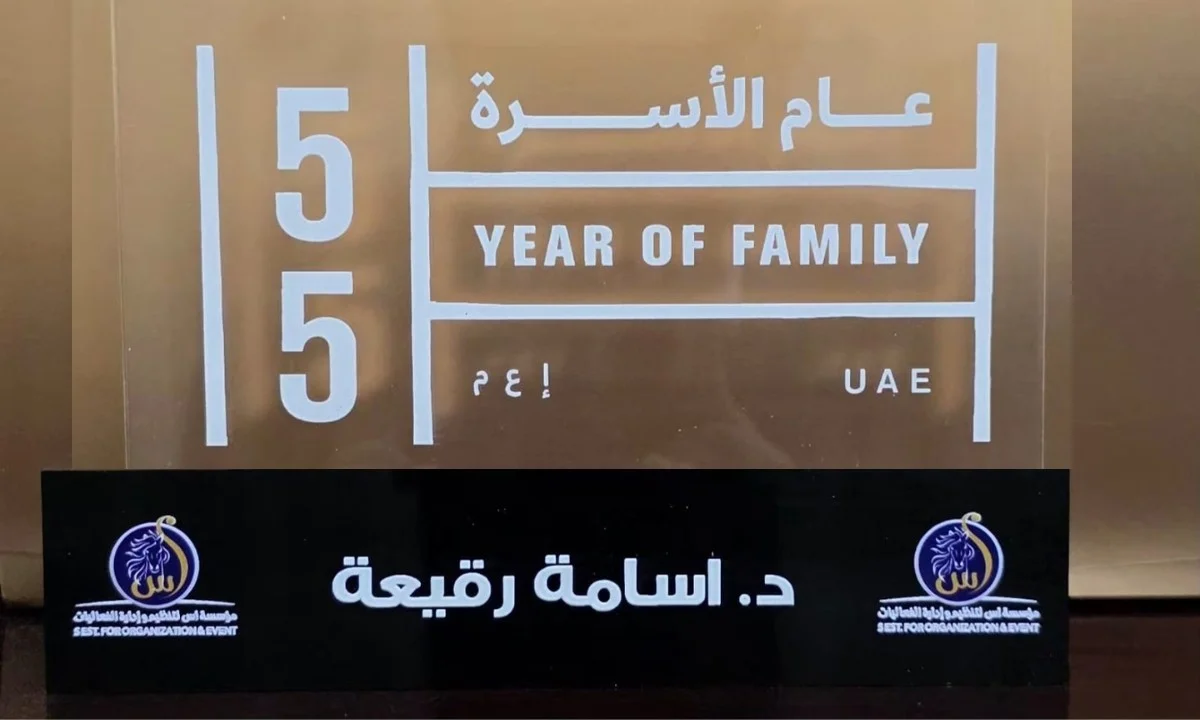
Family Wins “Family of the Year 2026” at Noor Al Quran Event in Ras Al Khaimah
A family honored at the Noor Al Quran initiative in Ras Al Khaimah for Quran memorization and strong

US Approves $16.5B Arms Deal Amid Iran War Escalation
US approves $16.5B arms sale to Gulf allies and $7B to UAE, boosting defence amid Iran tensions whil
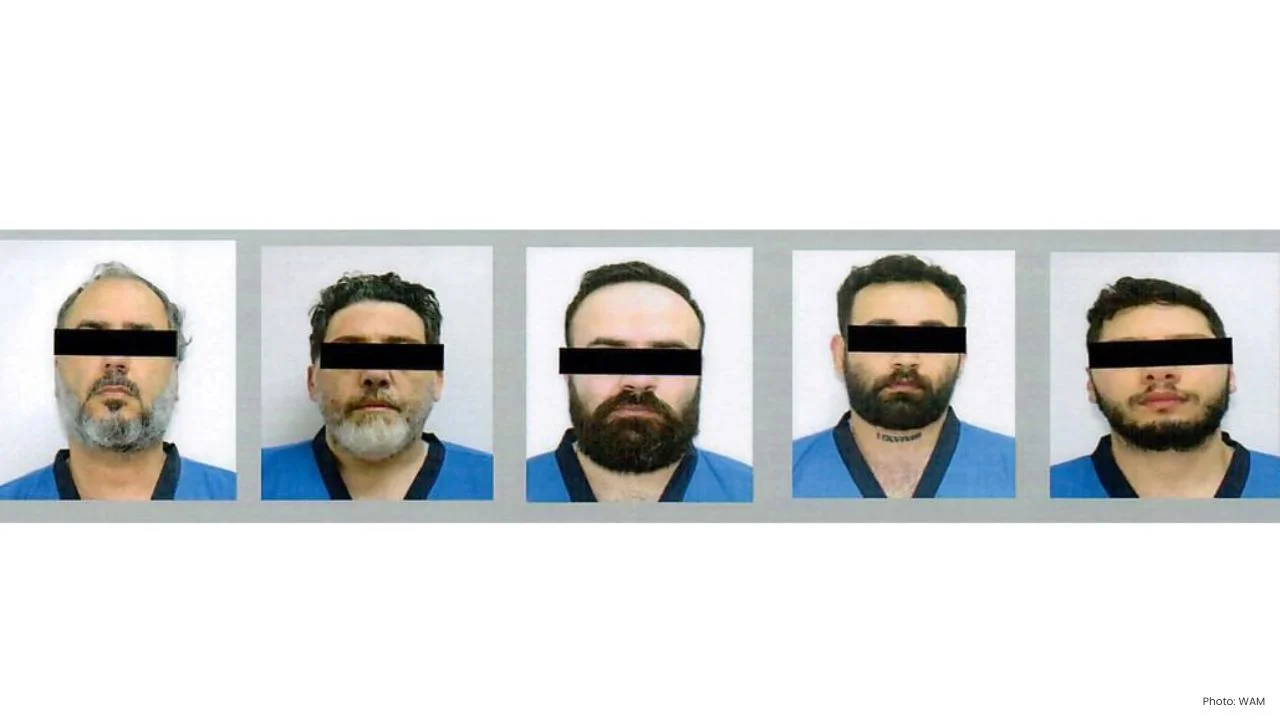
UAE Busts Hezbollah-Iran Terror Network, Members Held
UAE authorities have broken a terror network linked to Hezbollah and Iran, arresting members accused


Bank of Baroda Faces Abu Dhabi Legal Battle over NMC Collapse
Bank of Baroda’s involvement in Abu Dhabi litigation tied to the NMC Healthcare collapse raises repu

Top Museum Openings of 2026 Set to Transform Global Tourism
From Los Angeles to Abu Dhabi and Brussels, 2026 brings major museum launches—Lucas Museum, Guggenhe

UAE Tour Highlights UAE’s Strength in Hosting Global Sports Events
Abu Dhabi Sports Council says the successful UAE Tour reflects the UAE’s leading role in hosting maj

EU Seeks Clarity from US After Supreme Court IEEPA Ruling
European Commission urges full transparency from the US on steps after Supreme Court ruling, emphasi
SpaceX Launches 53 New Satellites for Expanding Starlink Network
SpaceX launches 53 Starlink satellites in two Falcon 9 missions, breaking reuse records and expandin

RTA Awards Contract for Phase II of Hessa Street Upgrade in Dubai
Phase II of Hessa Street Development to add bridges, tunnel, and upgraded intersections, doubling ca

UAE Gold Prices Today, Monday 16 February 2026: Dubai & Abu Dhabi Updated Rates
Gold prices in UAE on 16 Feb 2026 updated: 24K around AED 599.75/gm, 22K AED 555.25/gm, and 18K AED

Over 25 Ahmedabad Schools Receive Bomb Threat Email, Authorities Investigate
More than 25 schools in Ahmedabad evacuated after bomb threat emails mentioning Khalistan. Authoriti