Post by : Anis Karim
Historical tourism, or heritage tourism, has emerged as one of the fastest-growing sectors in the global travel industry. Millions of travelers are now seeking experiences that go beyond conventional sightseeing, opting to explore ancient monuments, historic cities, and cultural landmarks.
Factors such as social media influence, improved accessibility, and heightened cultural awareness are fueling this surge. Destinations that were once overlooked are now emerging as hotspots for tourists seeking authentic, educational, and immersive experiences. Heritage tourism combines leisure with learning, allowing visitors to engage deeply with a country’s history, traditions, and architecture.
This global trend is reshaping how cities and nations view their historic assets, prompting a reevaluation of tourism strategies and conservation priorities.
Several factors explain the rise in interest toward heritage destinations. Firstly, travelers today value authenticity and storytelling. Visiting historic landmarks allows them to connect emotionally with the past, fostering a sense of personal enrichment.
Secondly, technological advancements such as augmented reality (AR) and virtual reality (VR) enhance visitor experiences. Interactive tours, immersive reconstructions, and mobile guides make history come alive, attracting younger, tech-savvy tourists.
Thirdly, social media plays a crucial role. Stunning visuals of ancient architecture, UNESCO World Heritage sites, and cultural festivals circulate widely online, inspiring travel and creating global trends in heritage exploration.
The boom in heritage tourism has profound economic implications. Historical sites often serve as anchors for local economies, creating jobs in hospitality, guiding services, transportation, and retail. Communities surrounding heritage sites benefit from increased spending on accommodation, food, souvenirs, and local crafts.
Countries like Italy, Egypt, and India have leveraged heritage tourism to diversify their economic base, generating revenue that supports infrastructure and local development. Private and public partnerships are emerging to optimize the economic potential of heritage assets, ensuring that tourism contributes sustainably to regional growth.
One of the key challenges of heritage tourism is maintaining the delicate balance between visitor access and site preservation. Increased footfall can accelerate wear and tear, threaten structural integrity, and endanger delicate artifacts.
To address these challenges, many destinations are adopting conservation-focused tourism strategies. Measures include controlled visitor numbers, timed entry systems, and advanced monitoring technologies to track site conditions. Education campaigns also raise awareness among tourists, emphasizing responsible behavior and respect for historical contexts.
Balancing tourism and preservation ensures that heritage sites remain accessible for future generations while maintaining their historical and cultural significance.
Organizations such as UNESCO have played a pivotal role in promoting heritage tourism while safeguarding cultural assets. UNESCO World Heritage designation not only highlights a site’s global importance but also encourages investment in preservation, infrastructure, and visitor management.
International collaboration enables the sharing of best practices in conservation, digital documentation, and sustainable tourism. Countries are increasingly seeking UNESCO recognition or adhering to similar frameworks to attract global travelers while ensuring heritage protection.
This global approach underscores the importance of heritage tourism as both a cultural and economic priority.
Modern heritage tourism is evolving beyond traditional guided tours. Travelers are seeking immersive experiences such as historical reenactments, workshops in traditional crafts, culinary journeys through historic cuisines, and community-led cultural exchanges.
Eco-tourism and responsible travel are gaining prominence within heritage tourism. Tourists prefer sites that implement sustainable practices, such as energy-efficient facilities, waste reduction programs, and community engagement initiatives.
Additionally, multi-destination packages combining heritage, adventure, and cultural tourism are becoming popular. Visitors want to explore not only iconic landmarks but also the living culture of local communities, enriching their travel experiences.
Heritage tourism also contributes to the revival of local culture. Festivals, traditional performances, and artisan crafts often gain renewed attention as tourist interest grows.
In many regions, heritage tourism has sparked initiatives to document oral histories, preserve endangered languages, and restore historic neighborhoods. This cultural revitalization fosters pride among local communities and ensures that intangible heritage elements are not lost amid modernization.
By intertwining tourism with cultural preservation, destinations can create a sustainable ecosystem that benefits both visitors and residents.
While heritage tourism offers numerous benefits, it also presents challenges. Over-commercialization can dilute the authenticity of historic sites, turning cultural landmarks into mere tourist attractions.
Ethical considerations include respecting local customs, avoiding exploitation of communities, and mitigating environmental impacts. Tourists and operators alike must prioritize cultural sensitivity, sustainable practices, and equitable distribution of economic benefits.
Governments, NGOs, and private enterprises must collaborate to create frameworks that protect heritage while enabling inclusive and responsible tourism growth.
Technology is transforming how people experience heritage. Mobile apps provide interactive maps, historical context, and audio guides, while AR overlays can recreate ancient architecture or demonstrate historical events in real-time.
Virtual reality experiences allow individuals to explore fragile or remote heritage sites without physical strain. Additionally, digital platforms enable global audiences to engage with heritage through online exhibitions, 3D models, and immersive storytelling.
Integrating technology enhances accessibility, especially for travelers with physical limitations, and broadens the appeal of heritage tourism to younger generations accustomed to digital engagement.
Several countries exemplify the benefits of heritage tourism. Italy’s historic cities, including Rome, Florence, and Venice, combine architectural wonders with cultural events, drawing millions of tourists annually. Egypt’s pyramids and temples attract global visitors while initiatives focus on sustainable site management and local employment.
In Asia, India’s forts, palaces, and UNESCO sites such as Jaipur’s Amer Fort or the Taj Mahal illustrate how heritage tourism can generate economic growth and cultural awareness. Community involvement, guided tours, and local festivals enrich the experience while ensuring preservation.
These case studies highlight that successful heritage tourism blends accessibility, authenticity, and responsible management.
Heritage tourism is poised for continued growth as globalization, disposable income, and cultural awareness rise. Post-pandemic recovery has also increased interest in domestic and regional travel, giving lesser-known heritage sites a chance to shine.
Investment in infrastructure, digital tools, and sustainable practices will be crucial for destinations to accommodate rising tourist numbers. Governments and tourism boards must integrate preservation with modern amenities, marketing, and visitor education.
The future of heritage tourism lies in creating meaningful experiences that connect travelers with the past while fostering respect, sustainability, and local empowerment.
Heritage tourism is more than a travel trend—it is a global movement that celebrates history, culture, and human creativity. Historical sites offer educational, cultural, and economic value, attracting diverse audiences seeking immersive experiences.
By balancing tourism growth with preservation, embracing technology, and engaging local communities, destinations can ensure that heritage tourism benefits both visitors and residents. This approach transforms historic sites from static monuments into living, dynamic spaces where the past informs and enriches the present.
As travelers continue to seek authentic experiences, the global boom in heritage tourism demonstrates that history, when preserved and celebrated, remains a powerful force for connection, learning, and cultural appreciation.
This article is for informational purposes only. It does not provide travel, legal, or investment advice. The insights reflect current trends in heritage tourism and may evolve with changing travel patterns, cultural preservation efforts, and tourism policies.

Jannik Sinner Completes Sunshine Double With Miami Win
Jannik Sinner beats Jiri Lehecka 6-4, 6-4 to claim the Miami Open, becoming the first man to complet

Athar Festival 2026 Ends with Strong Social Impact
Athar Festival 2026 in Abu Dhabi raised AED17M for orphans, blending entertainment with charity and

Abu Dhabi Licenses Foster Families Association
Abu Dhabi licenses Foster Families Association to promote fostering, support families, and ensure sa

The Myriad Expands Student Housing in Saudi Arabia
The Myriad advances Saudi expansion as demand for modern student housing rises, supporting education

Hellmann Opens New Healthcare Hub at Dubai South UAE
Hellmann expands UAE presence with a new healthcare logistics facility at Dubai South, boosting capa

Ghana Sack Otto Addo Ahead of 2026 World Cup Start
Ghana dismiss coach Otto Addo just 72 days before the 2026 World Cup after poor results, including d

Indonesia Boat Sinks, All 21 Survivors Rescued Safely
Rescue teams saved 21 people after a boat sank near Taliabu Island. All passengers were found safe a


Bank of Baroda Faces Abu Dhabi Legal Battle over NMC Collapse
Bank of Baroda’s involvement in Abu Dhabi litigation tied to the NMC Healthcare collapse raises repu
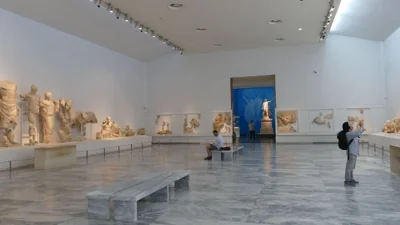
Top Museum Openings of 2026 Set to Transform Global Tourism
From Los Angeles to Abu Dhabi and Brussels, 2026 brings major museum launches—Lucas Museum, Guggenhe

UAE Tour Highlights UAE’s Strength in Hosting Global Sports Events
Abu Dhabi Sports Council says the successful UAE Tour reflects the UAE’s leading role in hosting maj

EU Seeks Clarity from US After Supreme Court IEEPA Ruling
European Commission urges full transparency from the US on steps after Supreme Court ruling, emphasi

SpaceX Launches 53 New Satellites for Expanding Starlink Network
SpaceX launches 53 Starlink satellites in two Falcon 9 missions, breaking reuse records and expandin
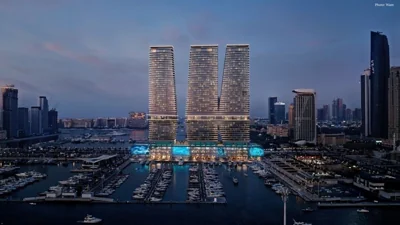
RTA Awards Contract for Phase II of Hessa Street Upgrade in Dubai
Phase II of Hessa Street Development to add bridges, tunnel, and upgraded intersections, doubling ca

UAE Gold Prices Today, Monday 16 February 2026: Dubai & Abu Dhabi Updated Rates
Gold prices in UAE on 16 Feb 2026 updated: 24K around AED 599.75/gm, 22K AED 555.25/gm, and 18K AED

Over 25 Ahmedabad Schools Receive Bomb Threat Email, Authorities Investigate
More than 25 schools in Ahmedabad evacuated after bomb threat emails mentioning Khalistan. Authoriti