Post by : Shivani
Even with a disciplined lifestyle, some adults continue to experience high blood sugar. A recent case of a 48-year-old woman who maintained a daily walking routine yet struggled with elevated glucose levels highlights a critical reality: exercise alone may not be sufficient to control blood sugar.
In 2025, healthcare experts emphasize a holistic approach combining physical activity, diet, stress management, and medical monitoring to prevent and manage diabetes. With the rising prevalence of type 2 diabetes and prediabetes, understanding the underlying factors and effective interventions is more important than ever.
According to the World Health Organization (WHO), adults should aim for at least 150 minutes of moderate-intensity aerobic activity weekly, combined with strength training 2–3 times per week, to optimize insulin sensitivity. Yet, recent surveys show that over 30% of adults with high blood sugar fail to achieve adequate control, even with consistent physical activity.
This article explores the background, latest developments, expert opinions, statistics, public response, and practical solutions for high blood sugar management in adults.
High blood sugar, or hyperglycemia, occurs when the body cannot efficiently regulate glucose levels due to insulin resistance, insufficient insulin production, or dietary and lifestyle factors. Chronic hyperglycemia can lead to diabetes-related complications such as:
Cardiovascular disease
Kidney damage (nephropathy)
Nerve damage (neuropathy)
Eye complications (retinopathy)
Even adults engaging in regular low-impact exercise like walking may experience elevated blood sugar if other factors are overlooked. Key contributors include:
High glycemic diets
Sedentary behavior outside exercise periods
Hormonal imbalances
Sleep deprivation
Chronic stress
In India, the Indian Council of Medical Research (ICMR) reports that nearly 77 million adults have diabetes, with a significant portion remaining uncontrolled due to lifestyle factors. Cases like the 48-year-old woman underline the importance of multi-dimensional intervention.
A 48-year-old woman maintained a daily walking routine of 30–45 minutes but continued to have fasting blood sugar levels above 120 mg/dL. Despite her active lifestyle, her glucose levels remained elevated due to:
Overlooked dietary habits: Frequent consumption of refined carbohydrates, snacks, and sugary drinks
Limited exercise variety: Walking alone, without resistance or interval training
Stress and sleep issues: High cortisol levels due to work-related stress and insufficient sleep
Experts emphasize that exercise type, intensity, and overall lifestyle integration are crucial for effective blood sugar management.
In 2025, new research emphasizes integrated lifestyle approaches:
Combining Aerobic and Resistance Training: Studies show that strength training improves insulin sensitivity more effectively than aerobic activity alone.
Time-Restricted Eating: Intermittent fasting and balanced meal timing are emerging as evidence-based strategies for glucose control.
Continuous Glucose Monitoring (CGM): Advances in wearable technology allow adults to track glucose in real time, enabling personalized lifestyle adjustments.
Stress Reduction Techniques: Yoga, meditation, and mindfulness have been shown to lower cortisol and improve glycemic control in adults with high blood sugar.
Gut Microbiome Research: Emerging studies suggest that gut health and probiotics may influence insulin sensitivity and glucose metabolism.
Dr. Ritu Bhattacharya, Senior Endocrinologist:
“Walking is an excellent start, but adults often need higher intensity or resistance-based exercise combined with dietary management to truly control blood sugar.”
Nutritionist Priya Malhotra:
“Balanced macronutrients, low glycemic index foods, and regular meal timing are key. Even daily walkers can struggle if diets are high in refined carbs or sugary foods.”
Fitness Trainer Anil Kapoor:
“Integrating short bursts of high-intensity activity or resistance training twice a week can have measurable impacts on glucose regulation. Walking alone may not suffice for many adults.”
Aerobic Exercise
30–60 minutes daily of walking, cycling, swimming, or jogging
Include moderate-to-vigorous intensity for at least 150 minutes weekly
Strength Training
2–3 sessions per week using resistance bands, bodyweight exercises, or weights
Focus on major muscle groups: legs, arms, back, and core
Flexibility and Mobility
Stretching, yoga, or Pilates 2–3 times per week to improve range of motion and reduce injury risk
High-Intensity Interval Training (HIIT)
Short, intense bursts of activity followed by recovery periods
Shown to significantly improve insulin sensitivity and glucose uptake
Low Glycemic Index Foods: Whole grains, lentils, vegetables, and fruits
Lean Proteins: Fish, chicken, tofu, and legumes to support muscle maintenance
Healthy Fats: Nuts, seeds, avocado, and olive oil for cardiovascular health
Avoid: Sugary beverages, processed snacks, and excessive refined carbs
Meal Timing: Small, frequent meals may prevent spikes in blood sugar
Cases like this have prompted social media discussions, health forums, and wellness blogs to highlight that physical activity alone cannot guarantee blood sugar control.
#WalkingAloneIsNotEnough
#HighBloodSugarAwareness
#DiabetesLifestyleManagement
Governments and health organizations are emphasizing integrated wellness programs:
Mandatory wellness checks and educational sessions in workplaces
Community-based fitness and diet counseling programs
Mobile apps and wearable trackers promoting daily activity and diet logging
Healthcare Costs: Uncontrolled blood sugar increases the risk of costly complications, putting a strain on healthcare systems.
Workforce Productivity: Adults with uncontrolled glucose may experience fatigue, decreased concentration, and absenteeism.
Lifestyle and Behavior Change: Increased awareness drives demand for fitness programs, home exercise equipment, and nutrition guidance.
Policy Implications: Public health campaigns focus on preventive interventions, rather than solely treating diabetes after diagnosis.
Integrate Exercise Variety: Combine walking with strength training, HIIT, and flexibility exercises.
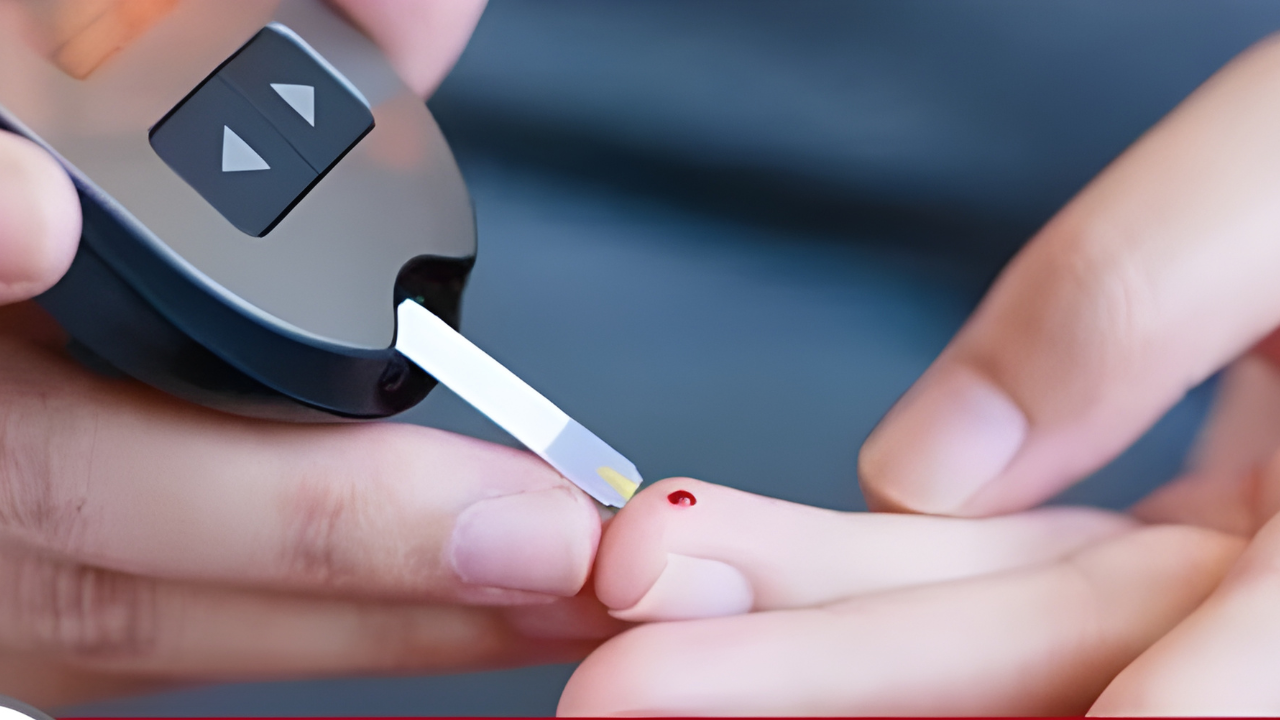
Monitor Glucose: Use home glucometers or CGM devices to track fasting and postprandial glucose.
Optimize Diet: Focus on low-GI foods, lean proteins, and high fiber.
Manage Stress: Yoga, meditation, and deep breathing techniques reduce cortisol-induced glucose spikes.
Prioritize Sleep: 7–8 hours of quality sleep is essential for metabolic health.
Regular Medical Checkups: Screen for thyroid disorders, hormonal imbalances, or other conditions affecting glucose.
WHO: 422 million adults worldwide have diabetes (2025)
ICMR: Over 77 million adults in India with diabetes; many remain uncontrolled
Study (2024, Journal of Endocrinology): Resistance training twice weekly reduces fasting glucose by 12–15% in adults over 45
CDC: Adults combining aerobic + strength training have 34% lower HbA1c levels than those doing aerobic exercise alone
Rajesh Kumar, 52: Added resistance band exercises to daily walks; HbA1c dropped from 7.8% to 6.4% in 6 months
Sunita Verma, 49: Introduced low-GI diet with yoga and brisk walking; achieved stable glucose readings and improved energy levels

Unlocking the Glow: Facial Icing Benefits and How to Do It Safely
Discover the benefits of facial icing for skin health and learn how to apply it safely for a refresh

48-Year-Old Woman’s High Blood Sugar Despite Daily Walking
48-year-old woman struggles with high blood sugar despite walking daily. Experts reveal overlooked f

Essential Health Tips for Women in 2025: Wellness, Fitness & Nutrition
Discover essential health tips for women in 2025, covering nutrition, fitness, mental wellness, and

Exercise for Teenagers: Fitness Tips and Workouts for 2025
Discover essential exercise tips, workouts, and fitness guidelines for teenagers in 2025 to boost he

Trendy Hairstyles for Men in 2025: Top Cuts & Grooming Tips
Discover the top 12 trendy hairstyles for men in 2025. From fades and comb-overs to faux hawks and t

30 Simple Diet and Fitness Tips to Transform Your Lifestyle
Learn 30 practical diet and fitness tips to improve your health, boost energy, and maintain sustaina

Beauty Tips for Girls: A Comprehensive Guide to Healthy Skin, Hair, and Confidence
Discover expert beauty tips for girls to maintain glowing skin, healthy hair, and overall wellness.


The Rise of Dopamine Dressing How Fashion Boosts Mood and Confidence
Discover dopamine dressing a fashion trend that lifts mood boosts confidence and makes you feel happ

The Power of a Little Stress Boost Focus Creativity & Motivation
Discover how a little stress can boost focus, creativity motivation and resilience while helping you

The Invisible Ecosystem How Skincare Nurtures the Skin Microbiome
Discover how nurturing your skin microbiome with gentle skincare and healthy habits leads to glowing

5 Daily Pelvic Floor Exercises Every Woman Must Practice for Better Health
Discover 5 simple pelvic floor exercises every woman can do daily to strengthen muscles improve core

The Anti Inflammation Diet for Skin Unlock the Power of Ingestible Beauty
Discover the anti inflammation diet for glowing skin Eat right reduce redness acne and wrinkles natu

Train Your Brain to Stay Calm Under Pressure 6 Simple Habits to Reduce Stress
Learn 6 simple habits to train your brain stay calm under pressure reduce stress and improve focus e

Visa & Policy Changes 2025 Opportunities for Global Talent
Explore the latest visa and policy changes for global talent Learn about work visas start up visas a

Dubai Real Estate Trends 2025 Rising Investor Demand & Opportunities
Discover Dubai real estate 2025 trends rising investor demand mixed use developments and opportuniti