Post by : Anis Karim
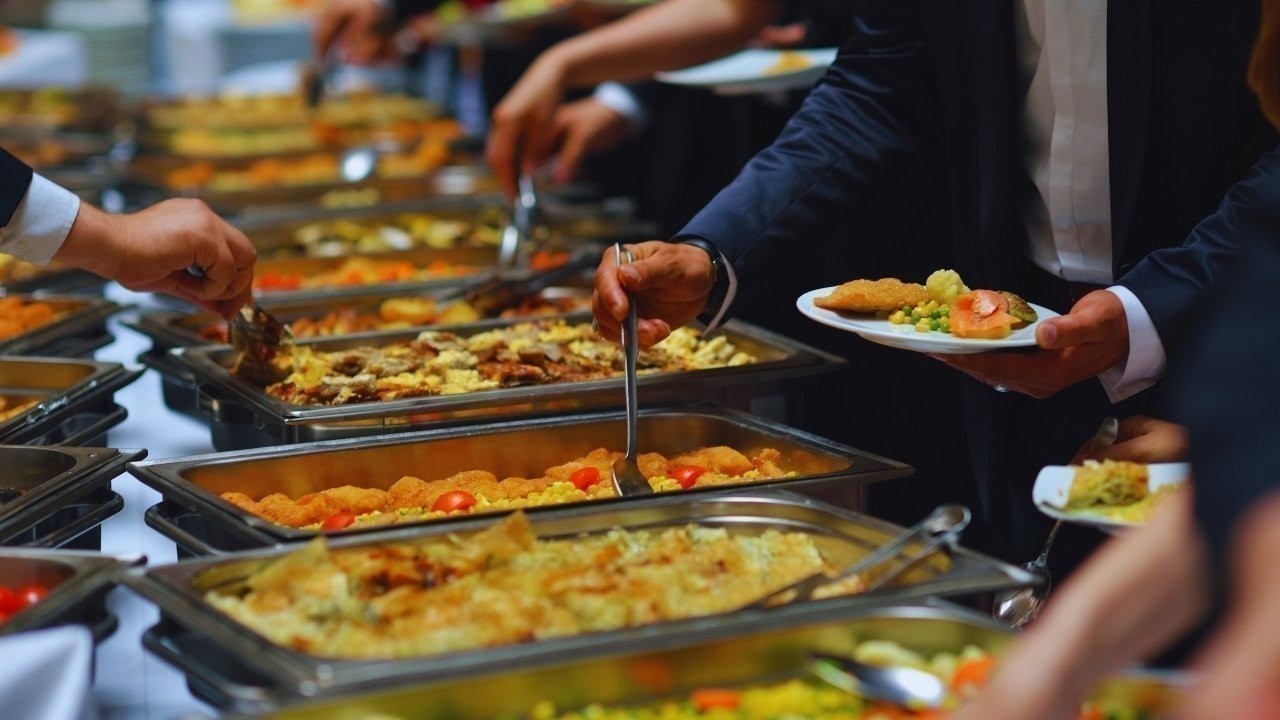
Food is one of the quickest ways to understand a place, its people, and its identity. When you try local dishes during your travels, you’re not just tasting flavours—you’re experiencing traditions shaped over centuries. But dining customs vary widely across cultures. What’s polite in one country may feel unusual in another, and what’s normal in one culture may be considered rude elsewhere.
Understanding basic food etiquette helps avoid awkward moments and ensures you blend smoothly into the local dining environment. Whether you’re sitting at a family dinner in a remote village or enjoying street food in a bustling city, cultural food habits act as an unspoken rulebook that travellers are expected to navigate.
This guide prepares you for those moments by exploring dining customs across continents—so you enjoy meals without hesitation and show respect to the people hosting you.
Every culture has a relationship with food rooted in history, geography, climate, religion, and social values. These factors shape everything—from cooking methods to eating rituals.
For instance:
• In many Asian cultures, community eating symbolises unity.
• In Europe, slow dining reflects appreciation for ingredients and conversation.
• In Middle Eastern cultures, hospitality is expressed through abundant food.
• In African and South Asian regions, food sharing represents warmth and acceptance.
Recognising these patterns helps you approach meals with curiosity and openness.
Asia is one of the richest continents for culinary diversity. But many regions share common values—respect, community, and mindful eating.
Japanese dining is ritualistic and detail-oriented.
Important customs include:
• Saying itadakimasu before eating and gochisousama after finishing
• Not sticking chopsticks upright in rice (it resembles funeral practices)
• Avoid passing food chopstick-to-chopstick
• Slurping noodles is acceptable and seen as enjoyment
Meals are often quiet and respectful, focusing on appreciation of flavour.
Chinese dining revolves around communal plates.
Key etiquettes:
• Let elders pick food first
• Avoid tapping chopsticks on bowls
• Keep the lazy susan moving gently
• Don’t dig through food to pick specific pieces
Conversations are lively, but food manners remain respectful.
Food is often eaten with hands, especially in traditional setups.
Guidelines include:
• Using the right hand for eating
• Accepting food when offered as a sign of respect
• Not touching community serving spoons with your used hand
• Waiting for elders to start first
Hospitality is central in India—refusing food repeatedly may seem impolite.
Thai dining uses the fork only to push food onto the spoon.
Practices include:
• Holding the spoon in the right hand
• Not lifting dishes while eating
• Leaving a little food to show you’re satisfied
Understanding these small nuances improves your dining experience.
Middle Eastern hospitality is famous worldwide. Meals are large, generous, and designed for sharing.
• Using the right hand for eating
• Accepting tea or coffee as a gesture of respect
• Leaving a small amount of food to show fullness
• Avoiding crossing legs so your foot doesn't face someone
Guests are treated with honour, and refusing food may feel disrespectful.
Europe values slow dining, structured courses, and table manners.
Dining in France is about savouring.
Expect to:
• Place hands on the table, not on your lap
• Avoid cutting salad leaves with a knife
• Eat bread directly, not as a plate-cleaner
• Keep conversations light and polite
Meals stretch for hours and are enjoyed leisurely.
Italian meal structure is sacred.
Guidelines include:
• Cappuccino is breakfast-only
• Parmesan isn’t added to seafood dishes
• Courses follow a fixed order—don’t rush them
• Bread is eaten plain, not dipped in oil
Food is serious business, and respect for dishes is appreciated.
Dining etiquette in the UK emphasises politeness.
Common practices:
• Fork in left hand, knife in right
• Queueing at cafes and food counters
• Waiting for everyone’s meals to arrive
• Avoiding loud conversations at the table
Tea-time manners are especially valued.
Africa’s dining culture is built on community and togetherness.
• Eating from shared platters
• Washing hands before sitting down
• Using the right hand for eating when applicable
• Accepting food as a sign of respect
• Waiting for elders to begin
• Avoiding food wastage
Meals often become storytelling spaces where experiences are shared.
The Americas bring together many cultures, so dining varies widely.
• Tipping is mandatory (often 15–20%)
• Dining is casual but polite
• Large portions are common
• Flexibility in dietary choices and requests
People value personal food preferences.
• Warm, family-style meals
• Greetings before eating are essential
• Using utensils differs across countries
• Some regions see meals as social events lasting hours
Latin dining culture celebrates togetherness and generosity.
Many cultures encourage eating with hands as it enhances sensory connection with food. To do it respectfully:
• Use only the right hand
• Break food into bite-sized pieces
• Avoid letting food drip from your hand
• Keep fingertips, not palms, involved
Countries where hand-eating is common include India, Ethiopia, UAE, Indonesia, and parts of Africa.
Chopsticks come with cultural significance.
• Never point with chopsticks
• Never stab food
• Don’t leave chopsticks crossed
• Place them neatly on a holder when not in use
• Don’t play with or gesture using chopsticks
These small behaviours matter deeply in Japan, Korea, China, Vietnam, and Taiwan.
Slurping noodles is polite—it shows appreciation.
Slurping is considered rude.
A soft burp after a meal may indicate satisfaction, but not everywhere.
Understanding these differences saves embarrassment.
Tipping varies drastically.
• United States, Canada: Expected
• Japan, Korea: Considered rude
• Europe: Small tips appreciated but not mandatory
• India: Rounding up the bill or leaving small tips is normal
• Middle East: Often included in service charge
Knowing tipping culture prevents awkward moments at the end of meals.
Street food is often the heart of local cuisine.
• Observe how locals order
• Avoid bargaining unless it’s culturally normal
• Stand where others stand—don’t block queues
• Dispose waste responsibly
• Respect stall rush hours
Street food thrives on energy, but basic courtesy keeps the experience smooth.
In many cultures, being invited into someone’s home is a big honour.
• Accept at least a small portion of what’s offered
• Compliment the host’s cooking
• Don’t rush meals
• Offer help clearing the table if culturally acceptable
• Avoid showing dislike openly
Respect is more important than appetite.
Alcohol customs vary widely.
• Japan: Wait for “kanpai” before drinking
• Russia: Refusing vodka may seem rude
• Middle East: Alcohol may be restricted or prohibited
• Europe: Wine is enjoyed slowly, not gulped
• India: Depends heavily on family and community context
Always follow local norms to avoid discomfort.
Sweet endings also carry cultural rules.
• Turkey: Tea signals hospitality
• Britain: Tea etiquette is formal and gentle
• France: Desserts are small and elegant
• India: Sweets may be offered with meals or before leaving
• China: Fruit often replaces dessert
Knowing these helps you enjoy the complete dining experience.
Some behaviours are universally disliked:
• Speaking with a full mouth
• Placing elbows on the table (varies by culture)
• Wasting food
• Taking more than you can finish
• Using your phone during meals
Small etiquette adjustments leave a lasting impression.
Dining around the world is a cultural exploration filled with flavours, customs, and traditions. When you understand local etiquette, you experience food the way locals intend it—respectfully, confidently, and joyfully. These customs aren’t rules to restrict you; they’re pathways to deeper cultural connection. Whether you’re travelling for leisure, work, or curiosity, a little preparation enhances every bite of your culinary journey.
This article is for general informational purposes only and does not replace local cultural advice or professional guidance.

Dubai Launches Commercial Driverless Taxis with Apollo Go
Dubai Taxi Company partners with Baidu’s Apollo Go to launch driverless taxis, advancing Dubai’s sma

Amelia Kerr Leads NZ to Record ODI Run Chase Against SA
Amelia Kerr’s unbeaten 179 powers New Zealand to record-breaking 348-run chase, beating South Africa

Sharjah Issues New Rules for Electric Vehicle Chargers
Sharjah’s Executive Council sets rules for EV charging stations, detailing installation, tariffs, sa

China VC Funding Hits Record on State-Driven Tech Push
China’s venture capital fundraising is set to hit a record in Q1 2026, led by state-backed investors

Russian Military Plane Crash in Crimea Kills 29 People
A Russian An-26 military plane crashed in Crimea, killing 29 onboard. Authorities suspect technical

IBPC Dubai AGM Strengthens India-UAE Economic Ties
IBPC Dubai AGM highlights growth, inclusivity, and upcoming conclaves, reinforcing India-UAE economi

EU Urges Protection of UNIFIL After Peacekeeper Deaths
EU nations demand protection of UNIFIL forces after deadly attacks, urging restraint and warning aga


Bank of Baroda Faces Abu Dhabi Legal Battle over NMC Collapse
Bank of Baroda’s involvement in Abu Dhabi litigation tied to the NMC Healthcare collapse raises repu
Top Museum Openings of 2026 Set to Transform Global Tourism
From Los Angeles to Abu Dhabi and Brussels, 2026 brings major museum launches—Lucas Museum, Guggenhe

UAE Tour Highlights UAE’s Strength in Hosting Global Sports Events
Abu Dhabi Sports Council says the successful UAE Tour reflects the UAE’s leading role in hosting maj

EU Seeks Clarity from US After Supreme Court IEEPA Ruling
European Commission urges full transparency from the US on steps after Supreme Court ruling, emphasi

SpaceX Launches 53 New Satellites for Expanding Starlink Network
SpaceX launches 53 Starlink satellites in two Falcon 9 missions, breaking reuse records and expandin

RTA Awards Contract for Phase II of Hessa Street Upgrade in Dubai
Phase II of Hessa Street Development to add bridges, tunnel, and upgraded intersections, doubling ca

UAE Gold Prices Today, Monday 16 February 2026: Dubai & Abu Dhabi Updated Rates
Gold prices in UAE on 16 Feb 2026 updated: 24K around AED 599.75/gm, 22K AED 555.25/gm, and 18K AED

Over 25 Ahmedabad Schools Receive Bomb Threat Email, Authorities Investigate
More than 25 schools in Ahmedabad evacuated after bomb threat emails mentioning Khalistan. Authoriti