Post by : Bianca Qureshi
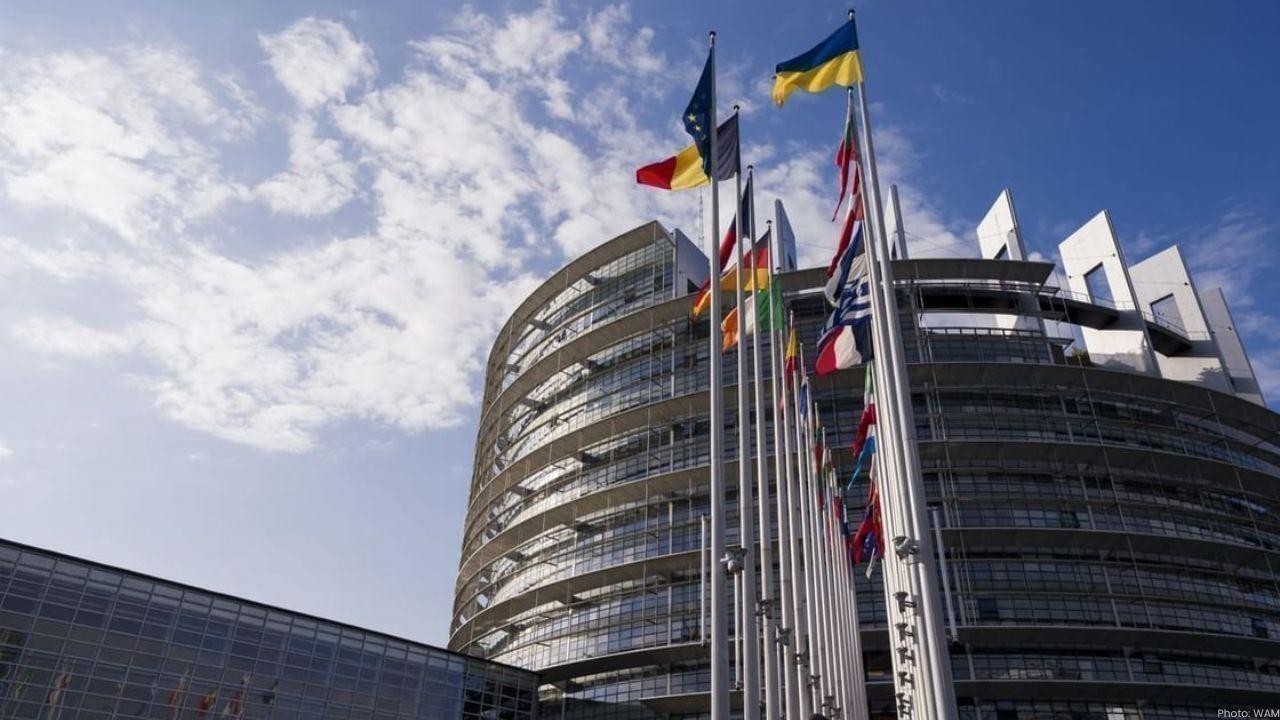
In a major step toward environmental protection and sustainable living, the European Parliament has adopted new legislation aimed at significantly reducing food and textile waste across the European Union. The law, passed on Tuesday, is part of the EU’s ongoing efforts to combat waste, promote recycling, and encourage responsible production and consumption.
Stay informed with the latest news. Follow DXB News Network on WhatsApp Channel
Key Goals of the New Legislation
The newly adopted law sets binding targets for 2030. These targets are meant to ensure that all EU member countries take concrete actions to reduce waste.
Food Waste Reduction: The law requires a 10 percent reduction in food waste during the processing and manufacturing stages. This means that companies involved in producing food, from factories to packaging facilities, must find ways to reduce the amount of food that goes to waste before it even reaches the shelves.
At the retail and consumption levels, including restaurants, food services, and households, the law aims for a 30 percent reduction per person. This means that individuals, grocery stores, and restaurants will all play a role in wasting less food. Measures may include better portion management, improved storage, and donation programs for unused food.
Textile Waste Management: Another important part of the law focuses on textiles. The legislation introduces producer responsibility schemes for the collection, sorting, and recycling of textile waste. This means companies that produce clothes, shoes, and other textiles will now have a legal responsibility to ensure their products are recycled or disposed of properly at the end of their life cycle.
The Scale of the Problem
The European Union has been producing massive amounts of food and textile waste for many years. According to EU estimates:
Food Waste: Nearly 60 million tonnes of food are wasted every year. This equals about 132 kilograms of food per person. Food waste happens at every stage of the supply chain, from farms and factories to shops and homes. Wasting food not only affects the economy but also has a large environmental impact, as it leads to unnecessary use of water, energy, and other resources.
Textile Waste: EU citizens generate about 12.6 million tonnes of textile waste annually. Clothing and footwear alone account for 5.2 million tonnes, which is equivalent to 12 kilograms per person each year. Shockingly, less than 1 percent of all textiles worldwide are recycled into new products. This shows that most clothing and fabric end up in landfills, creating significant environmental challenges.
The European Union recognizes that reducing waste is not only a matter of protecting the environment but also of saving resources and creating a circular economy, where materials are reused and recycled instead of being discarded.
Why This Law Matters
The new EU legislation is important for several reasons:
Environmental Protection: Food and textile waste contribute significantly to pollution and climate change. Decomposing food in landfills releases greenhouse gases, including methane, which is highly harmful to the environment. Textile production also consumes large amounts of water and energy and often involves chemicals that can harm ecosystems.
Sustainable Consumption: By introducing targets for reduction, the law encourages individuals, retailers, and producers to adopt sustainable habits. This includes buying only what is needed, donating unused items, and recycling materials whenever possible.
Economic Benefits: Wasting food and textiles is not just an environmental problem—it is also an economic one. Reducing waste can save money for businesses, households, and governments. For example, restaurants can save costs by managing portion sizes, and textile companies can benefit from recycling programs that create new products from old fabrics.
Social Responsibility: Reducing waste can also help fight hunger and poverty. Food that would otherwise be wasted can be redirected to food banks or charitable organizations, helping those in need.
How the Law Will Be Implemented
EU member states are now required to create action plans and policies to meet these new targets. This will involve cooperation between governments, businesses, and civil society. Some of the measures that could be adopted include:
For Food Waste:
Improved storage and transportation of food to prevent spoilage.
Awareness campaigns to encourage households to reduce food waste.
Incentives for restaurants and food services to donate surplus food.
Monitoring and reporting systems to track progress toward the reduction targets.
For Textile Waste:
Establishing collection points for old clothes and footwear.
Developing recycling facilities that can turn used textiles into new products.
Encouraging manufacturers to design products that are easier to recycle.
Promoting the use of sustainable materials in clothing and footwear production.
Challenges Ahead
While the law is a positive step, there are still challenges to achieving its goals:
Behavioral Change: Reducing food and textile waste requires changes in everyday habits, which can take time. People must become more aware of how their choices impact the environment and take action to reduce waste.
Infrastructure Needs: Recycling textiles and managing food waste efficiently require proper infrastructure. Some countries may need to invest in better collection, sorting, and recycling facilities to meet the targets.
Monitoring and Enforcement: Ensuring that businesses and individuals follow the rules will be crucial. EU authorities will need to monitor progress and take action if targets are not being met.
A Step Toward a Greener Europe
The adoption of this legislation reflects the European Union’s commitment to a greener and more sustainable future. By setting clear targets for food and textile waste reduction, the EU hopes to create a circular economy where resources are used efficiently, environmental impact is minimized, and social responsibility is promoted.
Experts believe that if successfully implemented, these measures could significantly reduce the environmental footprint of the EU, save resources, and inspire other countries to adopt similar strategies.
The European Union’s new law on food and textile waste is a landmark step toward sustainability. By 2030, the EU aims to reduce food waste by 10 percent in production and 30 percent per person in retail and consumption, while also ensuring that textile waste is collected, sorted, and recycled responsibly. This initiative addresses environmental, economic, and social challenges, offering a comprehensive approach to one of the EU’s most pressing issues.
As member states begin to implement these policies, the focus will shift to raising awareness, improving recycling systems, and encouraging responsible behavior across all levels of society. The success of this legislation will depend not only on governments and businesses but also on individuals making small yet meaningful changes in their daily lives.
With these efforts, the EU hopes to set a global example in reducing waste, conserving resources, and promoting sustainability for future generations.

Deadly Factory Fire in Daejeon Kills 11, Several Missing
A massive fire at an auto parts factory in Daejeon, South Korea, has killed 11 people, injured 59, a

Sanofi Opens Innovation Centre in Chengdu China
Sanofi opens its first China Innovation Centre in Chengdu, boosting R&D, clinical trials, and supply

Jordan, Egypt Condemn Terror Plot Targeting UAE
Jordan and Egypt strongly condemn a terror plot targeting the UAE’s economy, reaffirming support for
Elon Musk Found Liable in Twitter Investor Case
A US jury found Elon Musk liable for misleading Twitter investors in 2022 deal, awarding up to $2.1

BTS Comeback Concert Draws 260K Fans in Seoul
BTS holds a mega comeback concert in Seoul with 260,000 fans, marking their first album in 3 years a

UAE DMT Prepares for Weather Alert March 21–27
Abu Dhabi’s DMT activates emergency plans, deploys teams, and urges public caution as unstable weath

Dubai Property Market Faces War-Driven Slowdown
Dubai’s real estate market shows early slowdown as Iran war impacts investor confidence, with fallin


Bank of Baroda Faces Abu Dhabi Legal Battle over NMC Collapse
Bank of Baroda’s involvement in Abu Dhabi litigation tied to the NMC Healthcare collapse raises repu

Top Museum Openings of 2026 Set to Transform Global Tourism
From Los Angeles to Abu Dhabi and Brussels, 2026 brings major museum launches—Lucas Museum, Guggenhe
UAE Tour Highlights UAE’s Strength in Hosting Global Sports Events
Abu Dhabi Sports Council says the successful UAE Tour reflects the UAE’s leading role in hosting maj
EU Seeks Clarity from US After Supreme Court IEEPA Ruling
European Commission urges full transparency from the US on steps after Supreme Court ruling, emphasi

SpaceX Launches 53 New Satellites for Expanding Starlink Network
SpaceX launches 53 Starlink satellites in two Falcon 9 missions, breaking reuse records and expandin

RTA Awards Contract for Phase II of Hessa Street Upgrade in Dubai
Phase II of Hessa Street Development to add bridges, tunnel, and upgraded intersections, doubling ca

UAE Gold Prices Today, Monday 16 February 2026: Dubai & Abu Dhabi Updated Rates
Gold prices in UAE on 16 Feb 2026 updated: 24K around AED 599.75/gm, 22K AED 555.25/gm, and 18K AED

Over 25 Ahmedabad Schools Receive Bomb Threat Email, Authorities Investigate
More than 25 schools in Ahmedabad evacuated after bomb threat emails mentioning Khalistan. Authoriti