Post by : Anis Karim
Disaster-hit regions carry layers of trauma, loss and emotional fragility. Photographs taken in these spaces are more than just images — they become narratives that shape how the world sees suffering, resilience and recovery. Ethical photography acknowledges this weight. It rejects sensationalism and prioritises humanity above aesthetics.
Too often, travellers unintentionally cross boundaries by treating disaster zones as visual opportunities rather than lived realities. Ethical practice ensures that documentation uplifts and respects survivors rather than turning them into subjects of pity or spectacle.
Disasters leave behind emotional scars. Survivors may be dealing with grief, displacement, shock or uncertainty. A camera pointed at them without consent can reopen wounds, trigger trauma or create feelings of exploitation. Ethical photography seeks to protect dignity and honour emotional boundaries.
Ethical images should:
reflect truth, not dramatise it
show resilience, not only devastation
avoid invading personal space and privacy
contribute to awareness, not voyeurism
represent people as humans, not symbols of tragedy
When ethics lead the process, photography becomes a respectful form of storytelling.
Consent is the cornerstone of ethical photography. Survivors should understand:
who you are
why you are taking the photo
how the image will be used
their right to decline
A simple gesture — asking permission with sincerity — builds trust. Consent also extends to families grieving in public, individuals cleaning up their homes and workers involved in rescue efforts. Never assume consent just because someone is visible in a public place.
Images of people crying, injured, collapsing or grieving are deeply sensitive. Taking such photos without permission or sensitivity crosses ethical lines. These moments belong to the person experiencing them, not to the photographer seeking a dramatic shot.
Avoid images that show:
extreme distress
bodies of victims
private family moments
medical procedures
people receiving aid in humiliating conditions
Compassion must outweigh artistic ambition.
Disaster zones often have restricted areas due to safety risks. Always:
follow instructions from local authorities
respect restricted zones
keep distance from ongoing rescue operations
avoid interfering with emergency responders
Your presence should never hinder recovery work or put anyone at risk.
Altering scenes for dramatic effect — repositioning objects, asking survivors to pose, or intentionally emphasizing destruction — is unethical. Disaster photography must remain truthful and unstaged.
Manipulative photography:
misrepresents reality
disrespects affected individuals
contributes to misinformation
damages public trust
Document events honestly, as they unfold, without interference.
Ethical disaster photography is not only about destruction. It also highlights:
community resilience
volunteers working together
rebuilding efforts
acts of kindness
environmental recovery
cultural endurance
These images offer balance, hope and context. They help communities feel seen in their strength rather than defined by tragedy.
Disaster sites are not backdrops for travel content or social media aesthetics. Avoid:
selfies amid destruction
glamour poses near damaged buildings
“before-and-after” photos without permission
dramatic filters that romanticise suffering
Treating loss as a photo opportunity is harmful and deeply disrespectful.
Different regions have different expressions of grief, privacy expectations and cultural boundaries. Before photographing:
learn local customs
understand death and mourning rituals
speak to community members when possible
Cultural understanding helps avoid unintentional disrespect.
Posting images online without explanation can lead to:
misinformation
exploitation
misinterpretation
emotional harm to affected families
Ethical storytelling requires context. When sharing images, explain:
when they were taken
what is happening
how the situation is progressing
resources or support initiatives
Context transforms imagery into meaningful awareness instead of shock content.
Photography shouldn’t be the only contribution. Consider:
supporting verified local aid groups
purchasing goods from local vendors
hiring local guides
donating supplies if possible
sharing information responsibly to help relief efforts
Acts of solidarity strengthen the purpose behind your presence.
Images of children in disaster zones are extremely sensitive and often misused. Avoid taking any photographs of minors without:
explicit permission from guardians
sensitivity to their emotional state
understanding of legal guidelines
Children should never be portrayed as helpless symbols or used to evoke pity.
Using respectful composition techniques helps maintain dignity:
shoot from a respectful distance
avoid intrusive close-ups
use angles that preserve privacy
avoid capturing identifiable details without consent
Compassion should guide every technical decision.
Some images may reveal:
locations of survivors
operational plans
security weaknesses
identities of vulnerable individuals
Avoid sharing anything that could jeopardise recovery operations or personal safety.
A crucial question to ask before taking any photograph in a disaster-hit area:
“Is this helping tell a necessary story — or am I taking this for myself?”
If the intention leans toward personal gain, reconsider. Ethical photography serves the community first.
Even if someone agrees to be photographed today, they might feel differently in the future. Images last forever. Consider:
avoiding overly intimate or painful moments
choosing less intrusive perspectives
reviewing whether the photo might cause harm later
Responsibility doesn’t end when the shutter clicks.
Travel photography in disaster-hit areas carries immense responsibility. Ethical choices protect survivors, preserve dignity and ensure that images serve a meaningful purpose. The goal is not just to document hardship — but to honour humanity, support communities and inspire responsible awareness.
When done with empathy, awareness and respect, photography becomes a bridge of understanding rather than a tool of exploitation.
This article provides general guidance on ethical travel photography. Practices may vary based on local laws, cultural sensitivities and specific disaster conditions. Travellers should follow all regional regulations and seek local advice when necessary.

Family Wins “Family of the Year 2026” at Noor Al Quran Event in Ras Al Khaimah
A family honored at the Noor Al Quran initiative in Ras Al Khaimah for Quran memorization and strong

US Approves $16.5B Arms Deal Amid Iran War Escalation
US approves $16.5B arms sale to Gulf allies and $7B to UAE, boosting defence amid Iran tensions whil
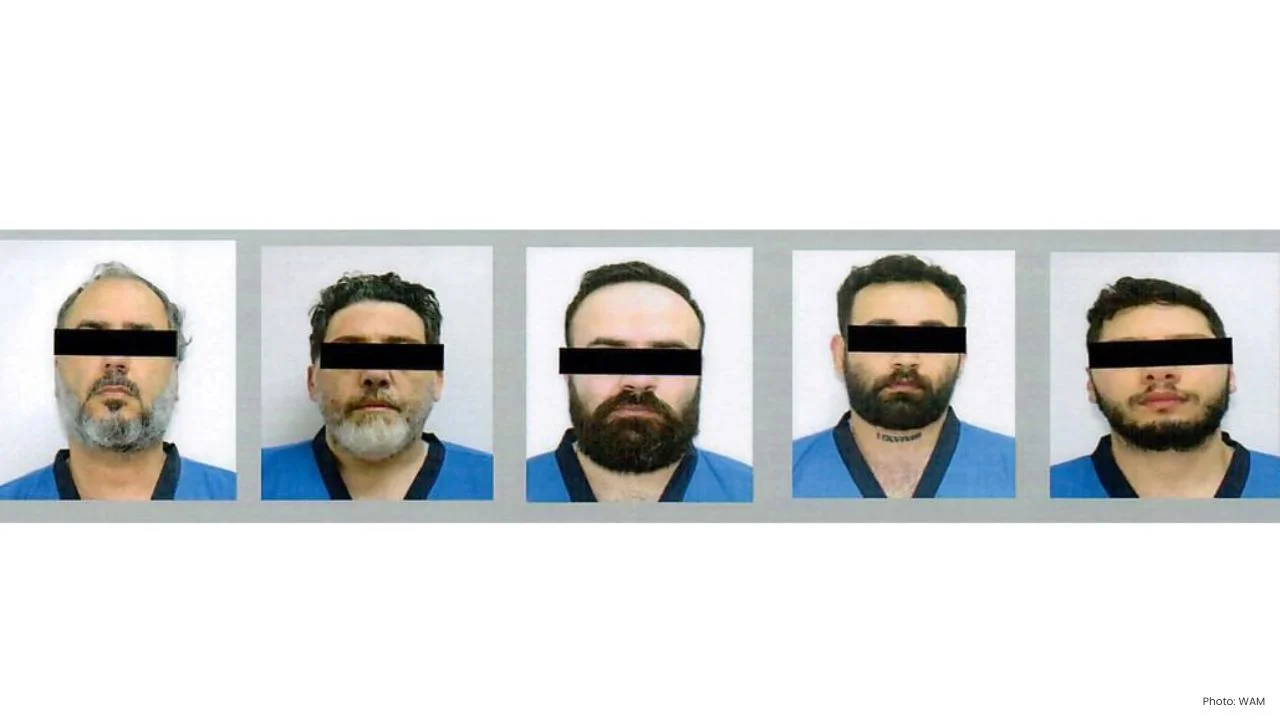
UAE Busts Hezbollah-Iran Terror Network, Members Held
UAE authorities have broken a terror network linked to Hezbollah and Iran, arresting members accused

Swiatek Stunned by Linette in Miami Open Upset Shock
Iga Swiatek suffered a shocking defeat to Magda Linette at the Miami Open, marking her first opening

UAE Orphan Fund Raises AED 3.3 Billion in Ramadan Drive
UAE’s Mother of the Nation Orphan Fund raises AED 3.3B in Ramadan, boosting support for education, h

Ramadan in the UAE: Reflections on Humanity, Leadership, and Lasting Values
A heartfelt Ramadan reflection by Osama Regaah on UAE’s spirit of humility, unity, and leadership, a

Dhurandhar 2 Opens Big, Crosses ₹100 Cr on Day 1
Ranveer Singh starrer Dhurandhar 2 earns ₹102 Cr on day one despite delays, beating past Bollywood o


Bank of Baroda Faces Abu Dhabi Legal Battle over NMC Collapse
Bank of Baroda’s involvement in Abu Dhabi litigation tied to the NMC Healthcare collapse raises repu
Top Museum Openings of 2026 Set to Transform Global Tourism
From Los Angeles to Abu Dhabi and Brussels, 2026 brings major museum launches—Lucas Museum, Guggenhe

UAE Tour Highlights UAE’s Strength in Hosting Global Sports Events
Abu Dhabi Sports Council says the successful UAE Tour reflects the UAE’s leading role in hosting maj
EU Seeks Clarity from US After Supreme Court IEEPA Ruling
European Commission urges full transparency from the US on steps after Supreme Court ruling, emphasi

SpaceX Launches 53 New Satellites for Expanding Starlink Network
SpaceX launches 53 Starlink satellites in two Falcon 9 missions, breaking reuse records and expandin

RTA Awards Contract for Phase II of Hessa Street Upgrade in Dubai
Phase II of Hessa Street Development to add bridges, tunnel, and upgraded intersections, doubling ca

UAE Gold Prices Today, Monday 16 February 2026: Dubai & Abu Dhabi Updated Rates
Gold prices in UAE on 16 Feb 2026 updated: 24K around AED 599.75/gm, 22K AED 555.25/gm, and 18K AED

Over 25 Ahmedabad Schools Receive Bomb Threat Email, Authorities Investigate
More than 25 schools in Ahmedabad evacuated after bomb threat emails mentioning Khalistan. Authoriti