Post by : Naveen Mittal
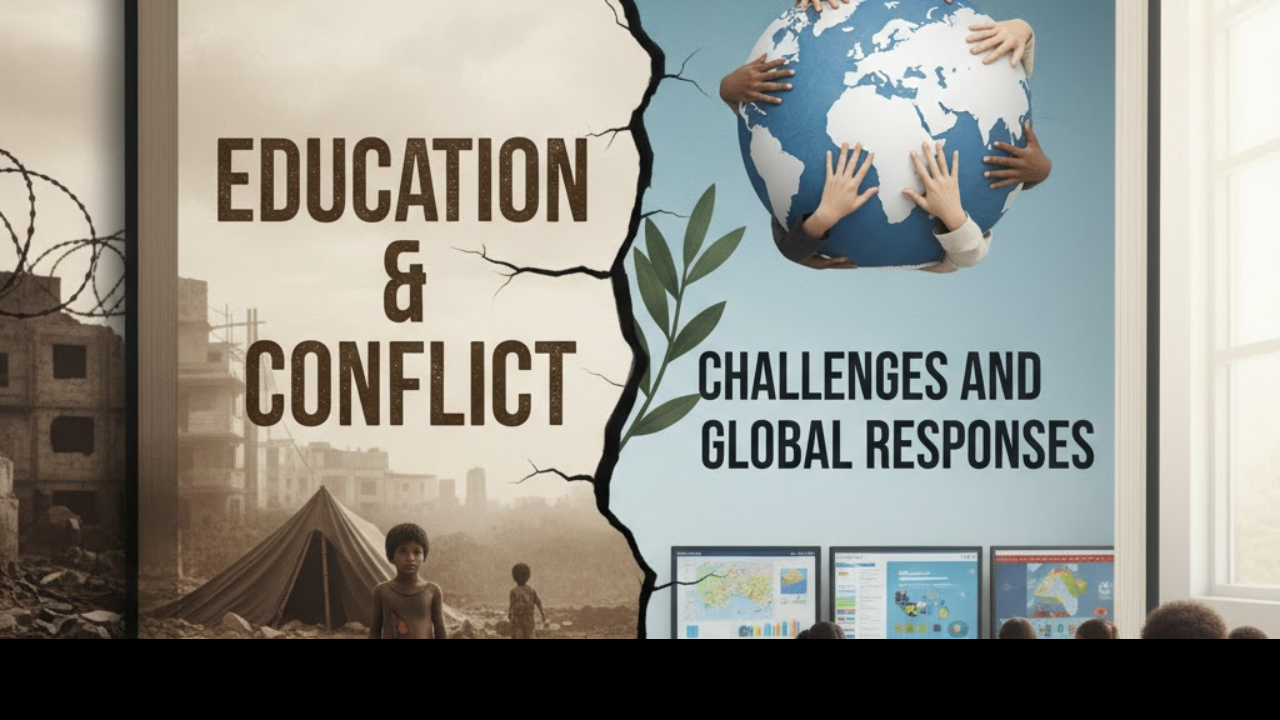
Education, one of the strongest pillars of peace and development, often becomes the first casualty of war. In conflict zones around the world, schools are destroyed, teachers flee, and millions of children lose access to classrooms. The intersection of education and geopolitics reveals how political instability, violence, and forced migration directly shape the future of entire generations.
When bombs fall or borders shift, learning halts. But education also becomes a source of hope — a symbol of resilience and recovery. Across regions like the Middle East, Africa, and Eastern Europe, education systems are battling to survive amidst chaos.
When conflict erupts, children are among the most vulnerable. Schools, once sanctuaries of safety, are turned into shelters, targets, or military outposts. In these conditions:
Teachers and students face daily danger, commuting through conflict zones or living under threat.
Infrastructure collapses, leaving classrooms destroyed or repurposed.
Attendance drops drastically as families are displaced or prioritize survival over schooling.
Emotional trauma rises, affecting concentration, motivation, and long-term mental health.
A generation of children without education means a society without progress — and often, a higher likelihood of recurring violence.
Education does not exist in a vacuum. It mirrors power struggles, national ideologies, and diplomatic interests. Governments and global actors often view schools as tools of influence — shaping narratives, values, and political identity.
In regions with intense geopolitical tension, control of education can determine cultural direction. Curriculum changes, history textbooks, and language of instruction become arenas of contestation. When political narratives dominate pedagogy, learning can either fuel division or foster reconciliation.
Additionally, sanctions, border restrictions, and aid limitations imposed by geopolitical disputes often block education funding and access to global collaborations. For example, research partnerships or teacher exchange programs are frequently frozen due to diplomatic rifts, impacting both quality and innovation.
One of the most visible effects of conflict is mass displacement. Refugee children and youth, often separated from home and family, struggle to continue their studies. Many host countries and humanitarian organizations have developed strategies to address this crisis:
Temporary learning centers set up in refugee camps to provide basic education.
Mobile classrooms and digital tools to reach learners in transit.
Accelerated learning programs helping students catch up on missed years of schooling.
Integration initiatives in host country schools for refugee students to continue formal education.
However, language barriers, recognition of credentials, psychological trauma, and limited resources make long-term inclusion difficult. The success of refugee education depends not only on humanitarian aid but also on political will and international cooperation.
Girls are disproportionately affected by educational disruption in conflict zones. They face additional risks such as early marriage, gender-based violence, and cultural restrictions intensified by instability.
In many cases, when families are forced to choose who continues schooling, boys are prioritized. This deepens gender inequality and limits future opportunities for women.
Organizations working in humanitarian education now place strong emphasis on girls’ safety, menstrual health, and community awareness to ensure their continued access to schooling, even during crises.
Teachers are the backbone of any education system, but in war zones, they carry a heavier burden. Many continue teaching despite threats, salary cuts, or the loss of their own homes. Their resilience becomes a model of strength for children.
Yet, burnout and trauma are widespread among educators in conflict regions. Supporting teachers’ mental health, training them in trauma-sensitive teaching, and ensuring regular pay or safety guarantees are essential for continuity of education during crises.
Reconstruction is not just about rebuilding schools; it’s about rebuilding trust, structure, and stability. Post-conflict education recovery must focus on:
Physical Infrastructure: Reconstructing classrooms, libraries, and laboratories destroyed during conflict.
Teacher Training: Equipping educators with new methodologies to address trauma and loss.
Curriculum Reform: Removing divisive content and promoting peace education.
Community Engagement: Involving parents and local leaders to restore confidence in schools.
Digital & Distance Learning Tools: Leveraging technology to rebuild flexible systems that can endure future crises.
Education recovery must start early in post-war reconstruction, as it lays the foundation for long-term peace and development.
Peace education helps students understand conflict, tolerance, and non-violent resolution. By integrating dialogue, empathy, and coexistence into lessons, schools can reduce the cycle of hatred and revenge.
Programs focusing on conflict resolution, social-emotional learning, and civic responsibility empower youth to become agents of peace rather than victims of violence. Education, when done right, becomes not just rehabilitation but prevention — stopping future wars before they begin.
To protect education in times of conflict, international and national efforts must align around a shared vision of safe, inclusive, and continuous learning. Key actions include:
Enforcing global agreements like the Safe Schools Declaration, ensuring military forces never occupy educational facilities.
Prioritizing funding for humanitarian education in aid budgets.
Encouraging governments to develop crisis-resilient education systems with flexible delivery models.
Building partnerships between ministries, NGOs, and private tech firms to provide remote and blended learning.
Integrating peace and civic education into all curricula, fostering global citizenship and tolerance.
The world cannot afford another generation lost to war — education must remain a priority, even amidst conflict.
Amid the rubble, stories of courage emerge. Teachers hold classes in tents. Students study under candlelight. Volunteers create makeshift libraries from donated books. Every such act defies war’s attempt to silence knowledge.
These stories remind us that education is not a luxury of peace but a necessity of survival — the seed from which peace eventually grows.
This article is for informational and awareness purposes only. Policies, humanitarian conditions, and geopolitical contexts related to education in conflict zones vary widely across regions and time. Readers should consult official reports from global education and humanitarian agencies for the most accurate, up-to-date data and country-specific details.
Family Wins “Family of the Year 2026” at Noor Al Quran Event in Ras Al Khaimah
A family honored at the Noor Al Quran initiative in Ras Al Khaimah for Quran memorization and strong

US Approves $16.5B Arms Deal Amid Iran War Escalation
US approves $16.5B arms sale to Gulf allies and $7B to UAE, boosting defence amid Iran tensions whil
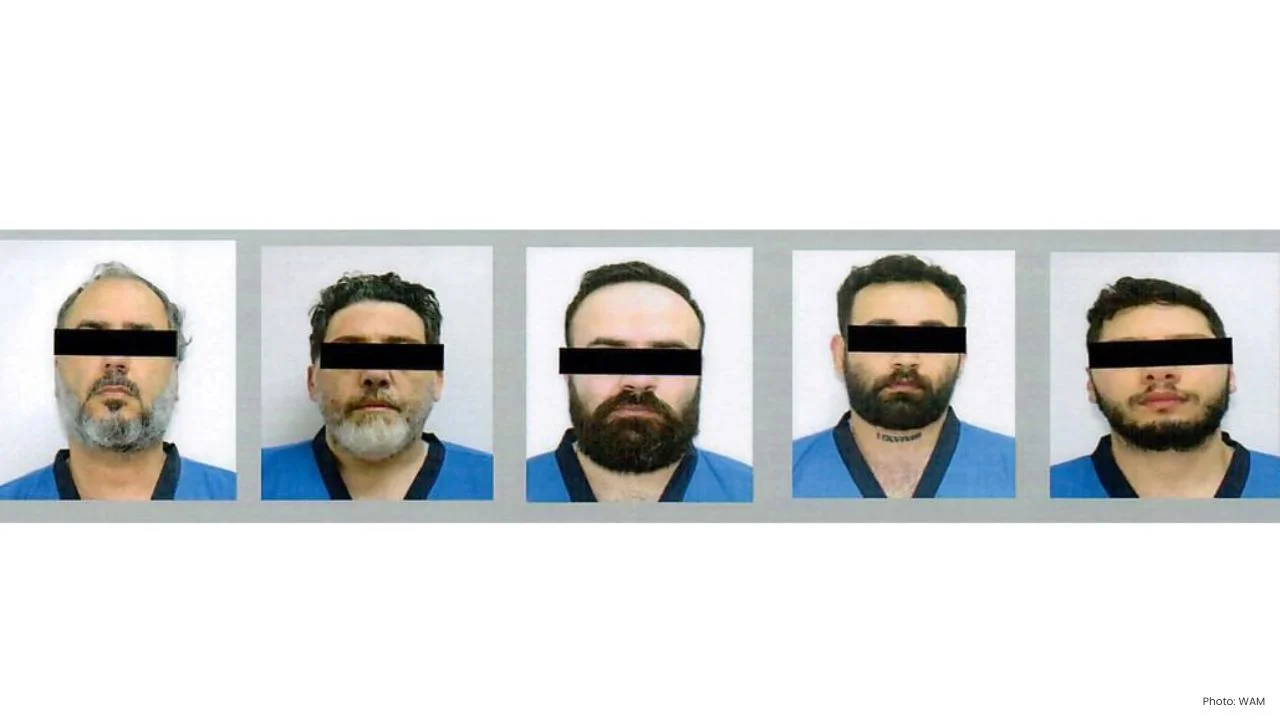
UAE Busts Hezbollah-Iran Terror Network, Members Held
UAE authorities have broken a terror network linked to Hezbollah and Iran, arresting members accused

Swiatek Stunned by Linette in Miami Open Upset Shock
Iga Swiatek suffered a shocking defeat to Magda Linette at the Miami Open, marking her first opening
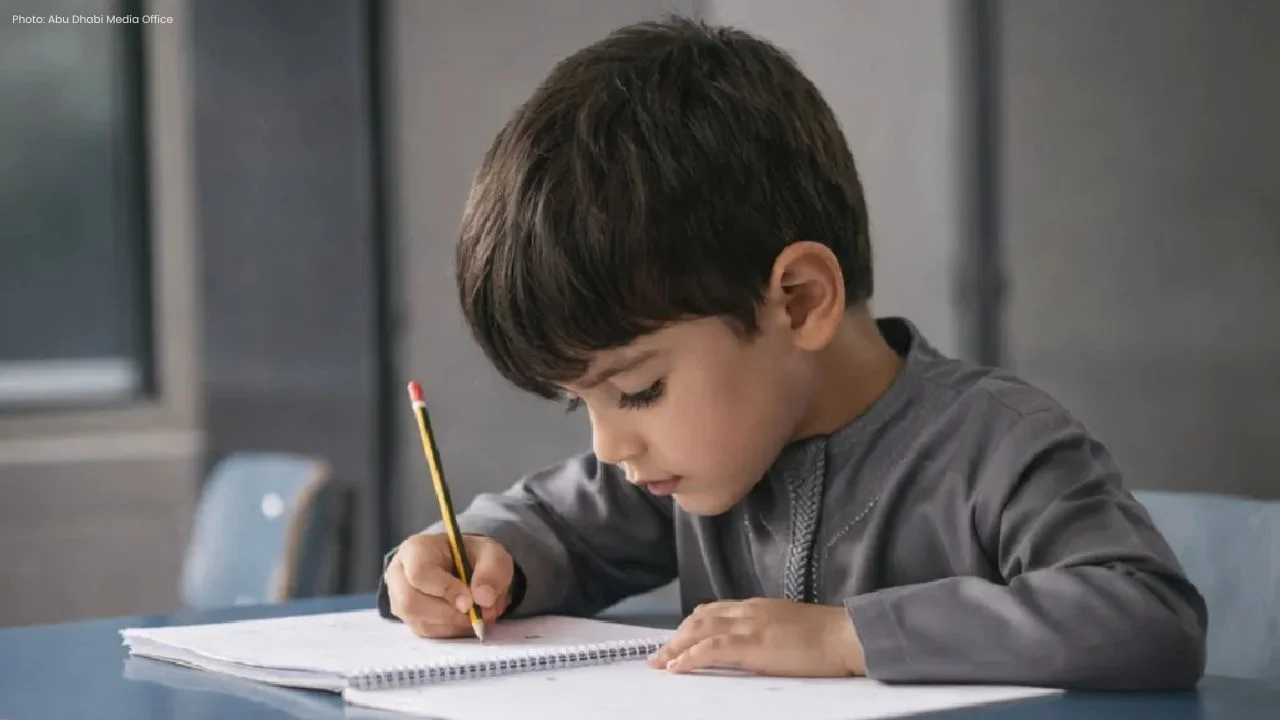
UAE Orphan Fund Raises AED 3.3 Billion in Ramadan Drive
UAE’s Mother of the Nation Orphan Fund raises AED 3.3B in Ramadan, boosting support for education, h
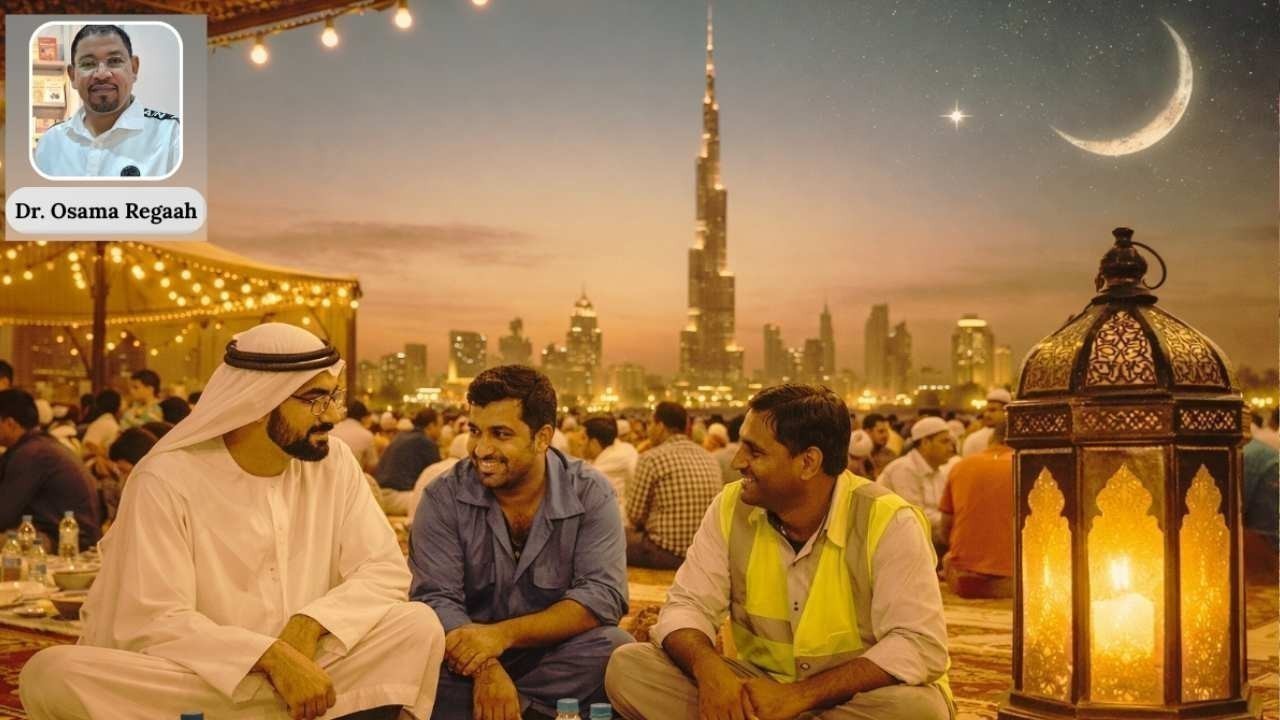
Ramadan in the UAE: Reflections on Humanity, Leadership, and Lasting Values
A heartfelt Ramadan reflection by Osama Regaah on UAE’s spirit of humility, unity, and leadership, a

Dhurandhar 2 Opens Big, Crosses ₹100 Cr on Day 1
Ranveer Singh starrer Dhurandhar 2 earns ₹102 Cr on day one despite delays, beating past Bollywood o


Bank of Baroda Faces Abu Dhabi Legal Battle over NMC Collapse
Bank of Baroda’s involvement in Abu Dhabi litigation tied to the NMC Healthcare collapse raises repu
Top Museum Openings of 2026 Set to Transform Global Tourism
From Los Angeles to Abu Dhabi and Brussels, 2026 brings major museum launches—Lucas Museum, Guggenhe

UAE Tour Highlights UAE’s Strength in Hosting Global Sports Events
Abu Dhabi Sports Council says the successful UAE Tour reflects the UAE’s leading role in hosting maj
EU Seeks Clarity from US After Supreme Court IEEPA Ruling
European Commission urges full transparency from the US on steps after Supreme Court ruling, emphasi
SpaceX Launches 53 New Satellites for Expanding Starlink Network
SpaceX launches 53 Starlink satellites in two Falcon 9 missions, breaking reuse records and expandin
RTA Awards Contract for Phase II of Hessa Street Upgrade in Dubai
Phase II of Hessa Street Development to add bridges, tunnel, and upgraded intersections, doubling ca

UAE Gold Prices Today, Monday 16 February 2026: Dubai & Abu Dhabi Updated Rates
Gold prices in UAE on 16 Feb 2026 updated: 24K around AED 599.75/gm, 22K AED 555.25/gm, and 18K AED

Over 25 Ahmedabad Schools Receive Bomb Threat Email, Authorities Investigate
More than 25 schools in Ahmedabad evacuated after bomb threat emails mentioning Khalistan. Authoriti