Post by : Zayd Kamal
Help your child create a regular study schedule. Sticking to a daily routine teaches them when it's time to focus on schoolwork and when it's time to relax. Consistency in study times will improve their ability to manage homework and assignments efficiently.
Set up a dedicated, quiet, and well-lit area for studying. This space should be free from distractions and stocked with necessary supplies. A well-organized study area makes it easier for your child to concentrate and enjoy their study time.
Work with your child to set specific, achievable goals for each study session. Breaking tasks into smaller steps helps them stay focused and reduces feelings of being overwhelmed. Celebrate their progress to keep them motivated.
Encourage your child to engage with their studies through summarizing information, asking questions, and discussing what they've learned. These active learning methods make studying more engaging and help improve understanding and retention.
Remind your child to take short breaks during study sessions to rest and recharge. Breaks help prevent burnout and keep their focus sharp. Use this time for physical activity or a healthy snack to refresh their mind.
Praise your child for their efforts and accomplishments, no matter how small. Positive feedback boosts their confidence and reinforces the value of good study habits. Recognize their hard work to encourage continued effort.

Choose a specific time each day for studying. This could be right after school or before dinner. Consistency helps your child know when to focus on their schoolwork.
Create a simple study schedule or planner. Break down study times into manageable blocks, such as 30-minute sessions with short breaks in between.
Encourage your child to follow this study routine every day. Regularity helps build a habit, making it easier for them to get into study mode.
Designate a quiet, distraction-free spot for studying. This helps your child concentrate better and keeps their study time effective.
Plan short breaks between study sessions. Breaks help refresh the mind and prevent burnout, making studying more productive.
Regularly check if the routine is working. Adjust the schedule if needed to fit your child's needs and preferences, ensuring it remains effective and manageable.
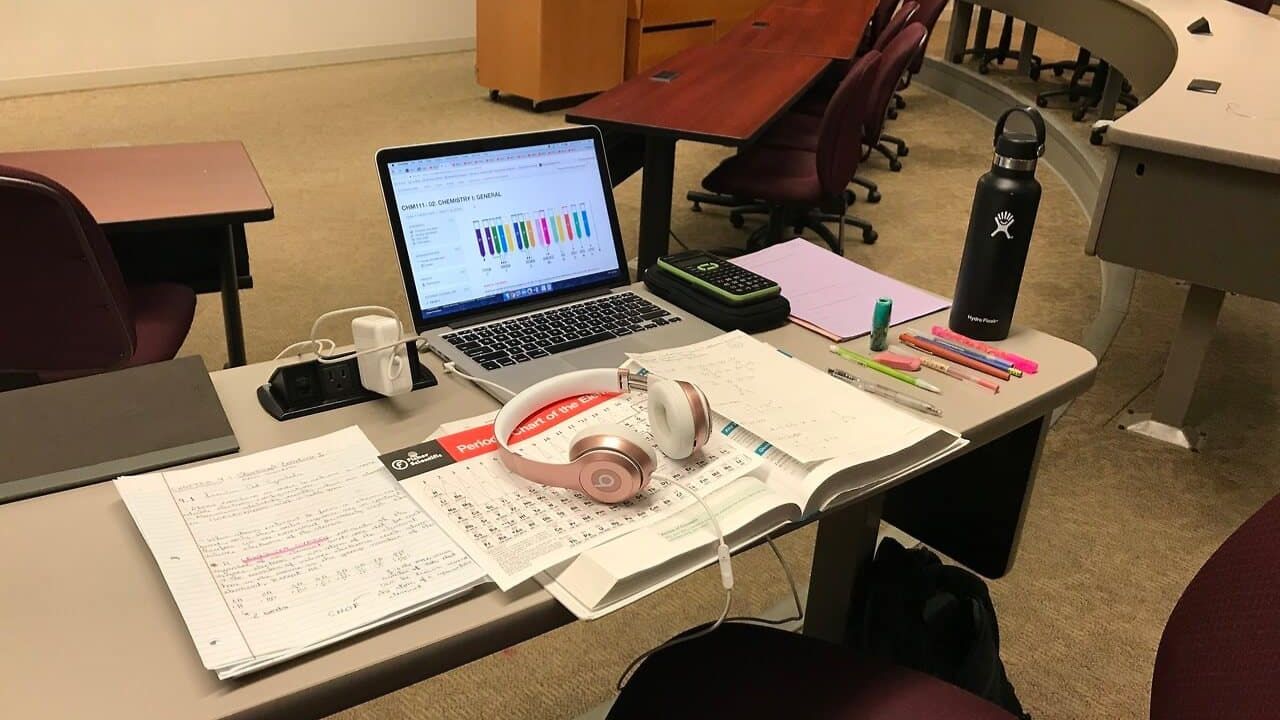
Pick a quiet area of your home where your child can focus without distractions. A calm, peaceful environment helps with better concentration and study habits.
Make sure the study area has bright, natural light or a good desk lamp. Proper lighting reduces eye strain and keeps your child’s attention on their work.
Use a comfortable chair and a desk at the right height. Ergonomic furniture supports good posture and makes studying more comfortable.
Keep all study materials like books, notebooks, and pens neatly organized. A tidy workspace helps your child find what they need quickly and reduces clutter.
Remove items that might distract your child, like toys or TVs. A focused study area helps maintain concentration and efficiency.
Allow your child to personalize their study space with things they like, such as posters or photos. Personal touches can make the space more inviting and enjoyable.
Ensure there’s enough room on the desk for writing and spreading out materials. A spacious area helps prevent feeling cramped and makes studying easier.

Start by setting clear, specific goals. For example, instead of saying "I want to improve in math," set a goal like "I want to finish chapter 5 by the end of the week." Specific goals help you know exactly what to focus on and make it easier to track your progress.
Divide your big goals into smaller, manageable tasks. If your goal is to complete a big project, break it down into steps like researching, outlining, and writing. This makes the goal seem less overwhelming and helps you tackle it one step at a time.
Make a list of the smaller tasks needed to reach your goal. Checking off items on your to-do list gives you a sense of achievement and keeps you organized. It’s like having a map that shows you how to reach your destination.
Assign deadlines for each small task. This helps you stay on track and manage your time effectively. For example, set a deadline to finish research by Monday and start writing by Tuesday. Deadlines keep you motivated and focused on completing each step.
Regularly check your progress toward your goals. Review what you’ve accomplished and what’s still pending. This helps you stay aware of how close you are to reaching your goal and lets you adjust your plan if needed.
Celebrate when you complete each small task or reach a milestone. Recognizing your achievements keeps you motivated and makes the process enjoyable. Small rewards can make hard work feel worthwhile.

Encourage your child to ask questions about what they’re learning. This helps them think deeper and understand the material better. Asking questions is a great way to make learning more interactive and engaging.
Teach your child to summarize what they’ve read or studied. This means putting the information into their own words. Summarizing helps reinforce their understanding and makes it easier to remember key points.
Suggest that your child talks about what they’ve learned with friends or family. Discussing the material can provide new perspectives and clarify any doubts. It’s a fun way to make studying more social and effective.
Encourage your child to create charts, diagrams, or drawings related to their study topics. Visual aids help them see connections between ideas and make complex information easier to grasp.
Have your child teach you or a sibling about a topic they’ve just learned. Teaching someone else helps solidify their knowledge and boost their confidence in the subject.
For subjects like math or science, practicing problems is key. Encourage your child to work through different types of problems to apply what they’ve learned. This hands-on approach makes studying more practical and less abstract.

Encourage your child to take short breaks during study time. A quick break every 30-45 minutes can help refresh their mind and prevent fatigue. Regular breaks keep them focused and energized for longer periods.
Use breaks to stretch, walk around, or do a quick physical activity. This helps increase blood flow and can make your child feel more alert and ready to return to their studies.
Suggest having a healthy snack during breaks. Fruits, nuts, or yogurt provide energy and help maintain concentration. Avoid sugary snacks that can lead to a crash in energy levels.
Incorporate relaxation activities during breaks, such as deep breathing exercises or listening to music. Relaxing activities help reduce stress and make studying less overwhelming.
Use a timer to remind your child when it’s time for a break. Setting a timer helps establish a routine and ensures breaks are taken regularly without disrupting study flow.
Balance study time with breaks to avoid burnout. Encourage your child to manage their time wisely, so they have enough time for both work and relaxation.

Recognize and celebrate your child’s successes, no matter how small. Positive reinforcement, like praising their hard work, encourages them to keep going.
Instead of just saying “good job,” highlight what they did well. For example, “You did a great job organizing your study notes!” This helps them understand exactly what to keep doing.
Set up a reward system where your child earns small rewards for reaching their study goals. Rewards can be extra playtime or a favorite treat, making study sessions more motivating.
Focus on praising the effort your child puts into their work rather than just the results. This teaches them that hard work and perseverance are valuable.
When giving feedback, mix in positive comments with suggestions for improvement. This balanced approach helps your child feel supported while learning from their mistakes.
Ask about their study topics and show genuine interest in what they’re learning. This involvement makes them feel valued and reinforces their enthusiasm for studying.
Helping your child develop strong study habits is essential for their academic success. Start by establishing a consistent study routine to teach them when it's time to focus and when to relax. Creating a study-friendly space ensures they have a quiet, organized area that boosts concentration. Setting clear goals and breaking them down into manageable tasks helps keep their efforts focused and reduces overwhelm. Encourage active learning techniques like summarizing information and asking questions to make studying engaging and effective. Promote regular breaks to keep their mind fresh and prevent burnout. Finally, provide positive reinforcement by celebrating their achievements and offering specific praise to boost their confidence and motivation.
The content provided by DXB News Network aims to offer helpful tips and advice on developing strong study habits for children. The suggestions are based on educational practices and may not apply to every individual. Readers are encouraged to adapt the advice according to their child's unique needs and preferences. For personalized guidance, consulting with an educational professional is recommended.
A consistent study routine helps your child manage their time effectively, reduces procrastination, and makes it easier to build good study habits. It ensures they know when it's time to focus on schoolwork and when it's time to relax.
Choose a quiet, well-lit area with minimal distractions. Ensure the space is comfortable and organized, with all necessary supplies easily accessible. This environment helps your child concentrate better and makes studying more enjoyable.
Setting clear, achievable goals helps your child focus on specific tasks, reduces feelings of being overwhelmed, and keeps them motivated. Breaking tasks into smaller steps makes them more manageable and helps track progress.
Effective active learning techniques include asking questions, summarizing information, discussing topics with others, using visual aids, teaching back, and practicing problems. These methods help deepen understanding and make learning more engaging.
Regular breaks help prevent burnout, refresh the mind, and maintain focus. Short breaks during study sessions, combined with physical activity or relaxation, enhance overall productivity and make studying less stressful.

Umno Considers Rejoining Former Members Through Rumah Initiative
Umno is set to review re-entry applications from former members at an upcoming council meeting in Me

Wasl Gate Opens Massive Central Park in Dubai Community
Wasl Group opened Central Park at Wasl Gate in Jebel Ali, a 82,700 sqm community space with sports,

Setback for Malaysia as Pearly Tan Withdraws from Uber Cup
Pearly Tan's withdrawal due to injury creates challenges for Malaysia in the upcoming Uber Cup Final

Strengthening Ringgit Stands Out as Malaysia Gears for GDP Data
As Malaysia anticipates its 1Q 2026 GDP data, the ringgit shows impressive strength against the US d

Kuala Lumpur Robbery Incident Sees Six Arrested, Including Cop
Six individuals, including a police officer, face charges for gang robberies in Kuala Lumpur involvi

UAE, Kazakhstan Leaders Boost Bilateral Cooperation Ties
UAE and Kazakhstan leaders discuss boosting bilateral ties, enhancing cooperation across sectors, an

Explore Tara Sutaria’s Stylish abode in Mumbai
Step inside Tara Sutaria's chic Mumbai home, showcasing her personal touch and passion for design du


7 Daily Habits to Burn Belly Fat Naturally
Discover 7 simple daily habits to burn belly fat naturally without extreme dieting. Easy, effective

Power of Compounding: How $5,000 Can Grow Into $120,000
Discover how compounding turns $5,000 into $120,000 over time. Learn long-term investing strategies

When to Test Blood Sugar: Morning vs After Breakfast Explained
Should you check blood sugar fasting or after meals? Learn the best time to test glucose levels and

WhatsApp Down Today? Users Report Strange Issue Worldwide
WhatsApp users report message delays and strange issues worldwide. Find out what happened, why it oc

Is Your Phone Spying on You? 6 Android Settings to Turn Off Now
Worried your phone is spying on you? Learn 6 Android settings to turn off now to protect your privac

7 Protein-Rich Indian Foods You Should Add to Your Daily Diet
Discover 7 protein-rich Indian foods to boost your daily protein intake naturally without supplement

Is It Safe to Keep Laptop Plugged In All the Time? Battery Truth Explained
Is it safe to keep your laptop plugged in all day? Learn the truth about battery health, charging ha

Actual Cost of Living in Dubai for a Family : Rent, School Fees & Monthly Expenses
Discover the real cost of living in Dubai for a small family in 2026, including rent, school fees, g