Post by : Bianca Qureshi
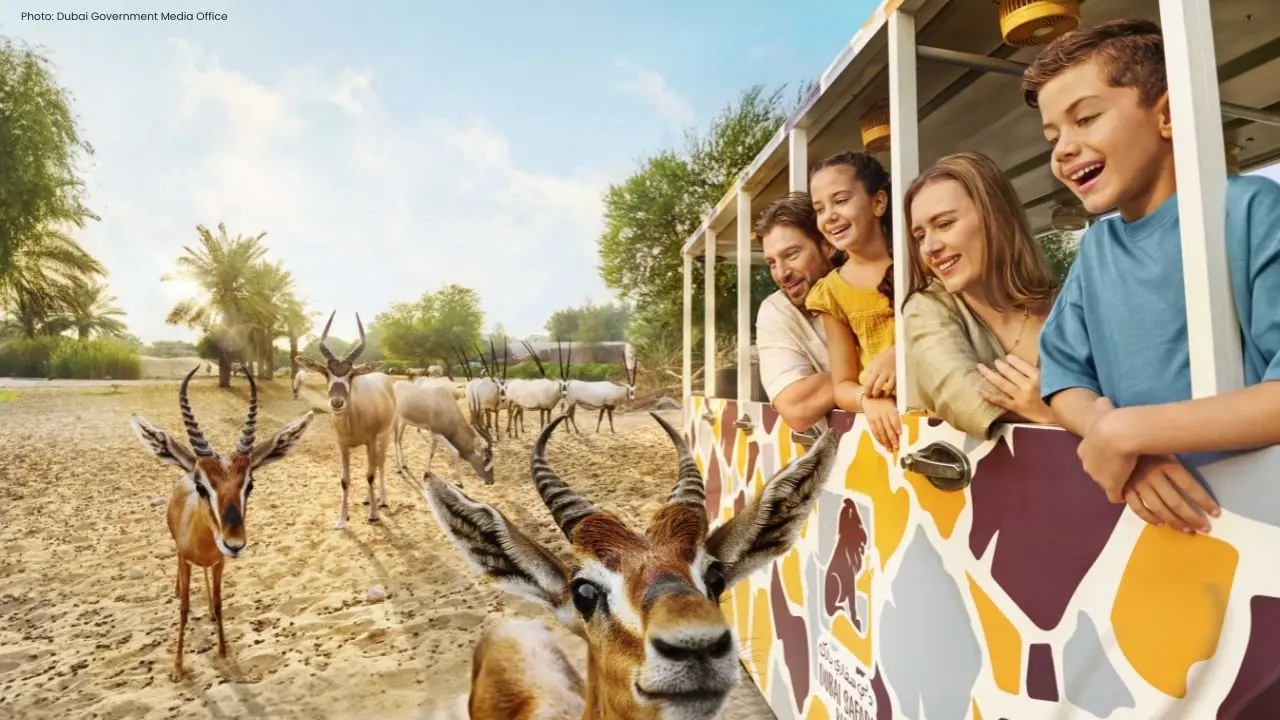
Dubai Safari Park has officially been accepted as an Institutional Member of the World Association of Zoos and Aquariums (WAZA) on 19 March 2026, marking an important milestone in its global conservation journey.
Global Conservation Standards Strengthened
WAZA is a leading international body representing zoos and aquariums committed to the highest standards of animal welfare, scientific research, conservation, and public education. With this membership, Dubai Safari Park joins a select group of globally recognised institutions dedicated to wildlife protection and biodiversity conservation.
Enhanced International Standing
This achievement further strengthens the park’s global reputation, building on its existing membership with the European Association of Zoos and Aquaria (EAZA). It reflects the park’s continued efforts to align with international best practices and improve operational excellence.
Access to Global Collaboration
Through WAZA membership, Dubai Safari Park will benefit from:
International conservation programmes
Scientific research partnerships
Global knowledge-sharing platforms
Conservation funding opportunities
These resources will support long-term biodiversity protection and sustainability initiatives.
One of the Region’s Largest Wildlife Parks
Dubai Safari Park is home to more than 3,000 animals across over 300 species, making it one of the largest wildlife attractions in the region. It integrates conservation, education, and visitor engagement into a single immersive experience.
Leadership Perspective
Park leadership stated that joining WAZA reinforces their commitment to global standards in animal welfare, environmental responsibility, and educational outreach, while contributing to international biodiversity protection efforts.
Commitment to Sustainability
The membership aligns with Dubai’s broader vision of promoting sustainable tourism and environmental stewardship, strengthening the city’s position as a leader in responsible development.
Dubai Safari Park continues to invest in conservation programmes, animal welfare improvements, and public education initiatives, aiming to deliver meaningful and responsible wildlife experiences.