Post by : Anis Karim
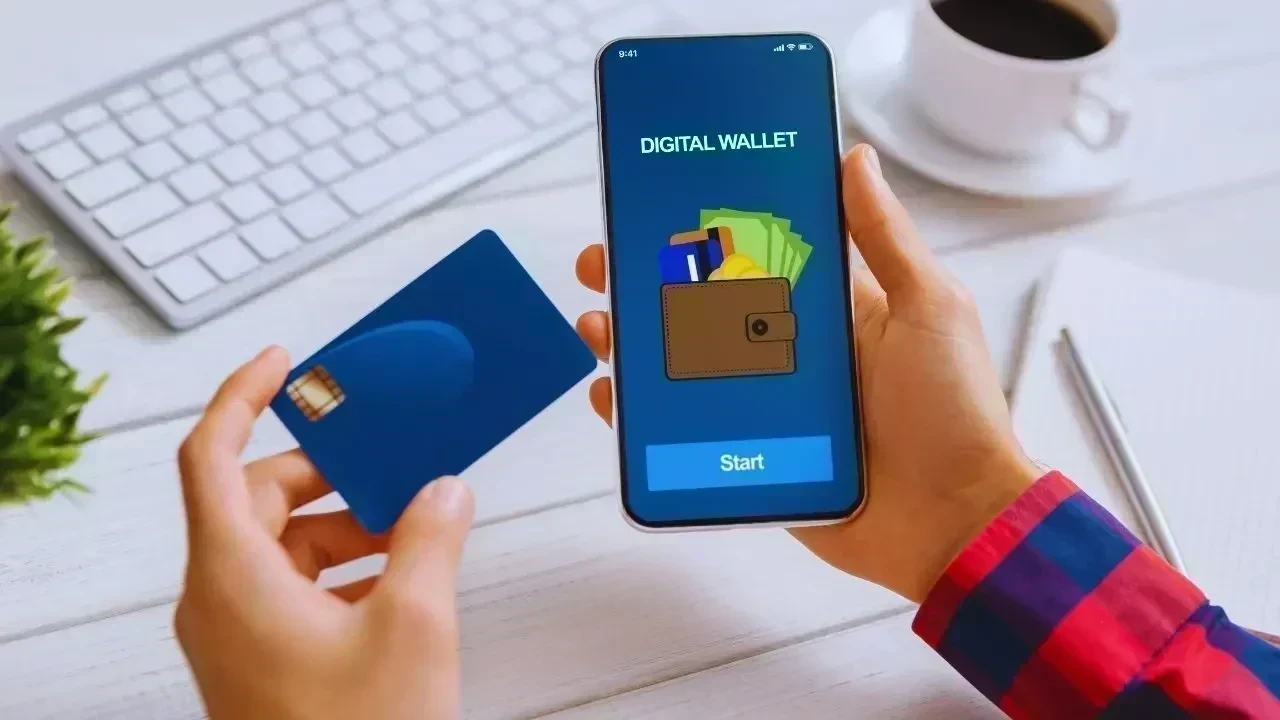
Digital wallets have become one of the fastest-growing payment technologies worldwide. Millions rely on them daily for shopping, bill payments, peer-to-peer transfers, travel purchases, and even identity verification. Their convenience, speed, and seamless integration with smartphones have made them an essential part of modern financial life.
However, a series of recent financial breaches has revealed vulnerabilities that many users never considered. While digital wallets often claim high security standards, these incidents show that attackers are discovering new ways to infiltrate mobile payment ecosystems. The breaches weren’t limited to one country or one provider — they spanned regions and platforms, signalling a broader pattern of weaknesses emerging across the digital wallet landscape.
Consumers assume digital wallets are safer than physical cards, but the breaches indicate that the technology behind these wallets is evolving faster than the security protections most users have in place. Understanding the nature of these vulnerabilities is crucial for anyone who relies on their phone as a primary payment tool.
The sudden appearance of new vulnerabilities is the result of several overlapping trends. Digital wallets have grown so rapidly that many security measures are struggling to keep up.
With more users relying on mobile payments, attackers now see digital wallets as high-value targets with large payoff potential.
Wallets are no longer isolated payment tools — they link to bank apps, loyalty programs, travel IDs, and even digital documents. This creates more entry points for exploitation.
Hackers are focusing on device-based vulnerabilities rather than only server-side attacks.
Biometric logins, tap-to-pay expansions, and QR-based transfers rolled out rapidly, sometimes outpacing security testing.
New players may lack strong authentication systems, secure encryption, or industry-grade compliance.
These factors combined have allowed vulnerabilities to surface at a scale that was not visible even a year ago.
Investigations from recent breaches show a clear set of vulnerabilities now trending globally. These weaknesses affect both the mobile devices users rely on and the wallet platforms themselves.
Digital wallets depend heavily on smartphone security. If attackers compromise the device, they can often access the wallet indirectly.
Key vulnerabilities include:
outdated operating systems
unpatched security bugs
malware-infected apps
side-loaded applications
insufficient lock-screen protections
weak biometric settings
unsecured public Wi-Fi usage
In many breaches this month, attackers gained access to digital wallets by exploiting the smartphone itself, not the wallet provider.
Several wallet users affected by recent incidents were using:
short PINs
no biometric lock
shared device access
auto-login features
devices without screen locks
Wallets that rely only on PIN-based login are particularly vulnerable during device theft or remote compromise.
The strongest wallets offer multi-layered authentication, but many users disable these protections for convenience — a mistake that opened the door for attackers in several recent breaches.
Near-field communication (NFC) is central to tap-to-pay systems, but recent breaches showed:
relay attacks in crowded public places
signal boosting through malicious devices
attempts to intercept NFC handshakes
phones triggering payments without direct user intent
Although most attacks require physical proximity, crowded environments like public transport, malls, and events make these vulnerabilities more exploitable.
QR-based transactions have grown rapidly due to their convenience. But attackers now use:
malicious QR stickers on payment counters
phishing-style fake QR codes
QR links leading to fraudulent payment apps
auto-generated QR codes embedding malware
Recent breaches involving QR code manipulation show that consumers often trust QR payments without verifying authenticity.
Many wallets sync transaction history and settings to cloud accounts. Attackers who breach cloud profiles can:
access past payment information
modify wallet configurations
replicate accounts on new devices
restore backups that include wallet-related data
This week’s breach cluster revealed that cloud-account takeovers often lead directly to digital wallet compromise.
Attackers increasingly use:
SIM swap fraud
fake customer support calls
phishing messages disguised as wallet alerts
spoofed verification links
Once attackers gain control of a SIM card or intercept OTP messages, they can initiate wallet resets and steal funds within minutes.
Malware used in recent breaches demonstrated advanced capabilities:
capturing screen activity
logging keystrokes for PIN entry
intercepting notifications
overlaying fake wallet interfaces
extracting saved credentials
This new wave of malware is designed specifically for digital wallets rather than general device compromise.
Digital wallet companies are racing to match evolving threats, but several challenges limit their ability to stay ahead.
New features are launched frequently to stay competitive, and security sometimes lags behind innovation.
Providers must handle diverse regulatory environments and varying device security standards.
Wallets operate across thousands of devices, OS versions, and hardware specs — making universal protection difficult.
Even the best security architecture is weakened when users disable features like MFA or biometrics.
Many users don’t realise their wallet depends on their device’s security, not just the wallet provider.
While no system is fully immune to threats, users can significantly reduce risk by applying better security habits.
Fingerprints, facial recognition, or iris scans make wallets far harder to infiltrate.
Four-digit PINs are too easy to bypass. Longer PINs create a stronger barrier.
Most wallet breaches occur on outdated devices.
Public networks increase the risk of interception.
Always check whether a code looks tampered with or mismatched.
NFC stays active until the user turns it off. Disabling it prevents relay attacks.
Immediate alerts help users detect fraudulent activity faster.
Third-party app stores often distribute modified or malicious apps that compromise wallets.
Old smartphones, tablets, or backup devices may still have wallet access.
Businesses relying on digital payments should implement stronger protocols to protect employees and customers.
Company devices must require biometrics, MFA, and secure OS versions.
Many breaches originate at integration points.
SIM swap and verification scams often exploit human error.
Automated pattern detection can stop fraud early.
The digital wallet breaches seen recently prove that convenience and security must evolve together. As digital payments become the norm, attackers are becoming more innovative and aggressive. The vulnerabilities exposed this week highlight the need for stronger authentication, safer device practices, and greater awareness among users and businesses alike.
Digital wallets are powerful financial tools — but only as secure as the systems controlling them. Understanding the weaknesses surfacing now is the first step toward safeguarding the digital financial future.
This article provides general insights into digital wallet security trends. Actual risks vary by device, platform, and region. Users and businesses should consult cybersecurity professionals for tailored security measures.

Abu Dhabi Opens Two New Bridges to Cut Traffic by 60%
DMT launches two high-capacity bridges linking Al Reem Island to E‑12, reducing travel time by 15 mi

Family Wins “Family of the Year 2026” at Noor Al Quran Event in Ras Al Khaimah
A family honored at the Noor Al Quran initiative in Ras Al Khaimah for Quran memorization and strong

US Approves $16.5B Arms Deal Amid Iran War Escalation
US approves $16.5B arms sale to Gulf allies and $7B to UAE, boosting defence amid Iran tensions whil

UAE Busts Hezbollah-Iran Terror Network, Members Held
UAE authorities have broken a terror network linked to Hezbollah and Iran, arresting members accused

Swiatek Stunned by Linette in Miami Open Upset Shock
Iga Swiatek suffered a shocking defeat to Magda Linette at the Miami Open, marking her first opening

UAE Orphan Fund Raises AED 3.3 Billion in Ramadan Drive
UAE’s Mother of the Nation Orphan Fund raises AED 3.3B in Ramadan, boosting support for education, h

Ramadan in the UAE: Reflections on Humanity, Leadership, and Lasting Values
A heartfelt Ramadan reflection by Osama Regaah on UAE’s spirit of humility, unity, and leadership, a


Bank of Baroda Faces Abu Dhabi Legal Battle over NMC Collapse
Bank of Baroda’s involvement in Abu Dhabi litigation tied to the NMC Healthcare collapse raises repu

Top Museum Openings of 2026 Set to Transform Global Tourism
From Los Angeles to Abu Dhabi and Brussels, 2026 brings major museum launches—Lucas Museum, Guggenhe

UAE Tour Highlights UAE’s Strength in Hosting Global Sports Events
Abu Dhabi Sports Council says the successful UAE Tour reflects the UAE’s leading role in hosting maj

EU Seeks Clarity from US After Supreme Court IEEPA Ruling
European Commission urges full transparency from the US on steps after Supreme Court ruling, emphasi

SpaceX Launches 53 New Satellites for Expanding Starlink Network
SpaceX launches 53 Starlink satellites in two Falcon 9 missions, breaking reuse records and expandin

RTA Awards Contract for Phase II of Hessa Street Upgrade in Dubai
Phase II of Hessa Street Development to add bridges, tunnel, and upgraded intersections, doubling ca

UAE Gold Prices Today, Monday 16 February 2026: Dubai & Abu Dhabi Updated Rates
Gold prices in UAE on 16 Feb 2026 updated: 24K around AED 599.75/gm, 22K AED 555.25/gm, and 18K AED

Over 25 Ahmedabad Schools Receive Bomb Threat Email, Authorities Investigate
More than 25 schools in Ahmedabad evacuated after bomb threat emails mentioning Khalistan. Authoriti