Post by : Anis Karim
Every parent strives to provide the best for their child. They opt for cereals claiming energy boosts, snack bars promising health benefits, and fruit-flavored beverages that appear wholesome enough to be considered healthy options. The packaging is bright, the descriptions are soothing, and the assertions are persuasive. “Low fat.” “No added sugar.” “Crafted with real fruit.” Amidst the rush between school hours and after-school routines, these snacks have transformed into symbols of parental devotion.
Yet, childhood obesity rates continue to escalate. This surge isn't confined to urban areas but extends to rural settings, affecting children regardless of their junk food consumption. It isn’t merely about greasy pizzas or fried offerings available near schools; rather, the issue starts within lunchboxes, breakfast choices, and pantry items.
Hidden sugars significantly impact children’s health and habits long before the warning signs become apparent. This threat doesn’t present itself with oily fingerprints but lurks behind terms like “natural,” “fortified,” and “energy-boosting.” By the time visible weight changes manifest, internal damage may already have begun.
Recognizing where sugar can be found and understanding its effects on growing bodies is crucial. Today, obesity isn’t solely linked to what kids consume—it's also about what they ingest unknowingly.
Childhood obesity extends beyond aesthetics; it is a complex medical challenge tied to serious lifelong health risks.
When a child carries excess weight, their organs work overtime. Blood sugar levels fluctuate, blood pressure rises, and breathing can become labored. Fat accumulations form where they ideally shouldn't—around the liver and within muscles.
These changes do not wait until adulthood. Many youngsters already show early signs of conditions once thought to affect only older adults, including hormonal imbalances, high cholesterol, and pre-diabetes.
Children facing obesity carry emotional weights as cumbersome as the physical ones. Bullying, social exclusion, and diminished self-esteem can impair academic performance and mental well-being. Food can become a source of comfort, leading to unhealthy habits that perpetuate over time.
Obesity does not flourish in isolation. It brings psychological distress, loneliness, and emotional eating along with it.
Sugar has moved beyond desserts; it has silently infiltrated everyday food items.
Cereal boxes boast of growth, strength, and intelligence. However, numerous cereals are laden with sugars disguised as “honey,” “corn syrup,” “malt extract,” or “fruit concentrate.” What seems like a healthy choice may contain sugar equal to several teaspoons in just one bowl.
Kids beginning their day with such sugary cereals experience energy bursts followed by sharp drops. This leads to an early return of hunger, increasing their appetite for snacks.
Promoted as wholesome alternatives, these bars frequently contain syrups, sweeteners, and concentrates that elevate blood sugar levels faster than chocolate. Although one bar is marketed as a controlled portion, its sugar impact is hardly insignificant.
The body assesses sugar based on quantity, not on packaging claims.
Kids may consume sugar without even realizing it. Fruit juices and flavored milk seem nourishing, yet many versions possess as much sugar as sodas, sans any warning labels.
Liquid sugars are more harmful than solid ones. They are absorbed quickly by the body, which fails to signal satiety. Children easily consume them in abundance.
Numerous yogurts marketed to kids act more like sugary indulgences than nutritious options. Fruit-flavored varieties often mean syrup instead of actual fruit.
Parents expect a protein-rich, healthy snack, yet what they receive is a carbohydrate overload.
Children's bodies are still under development and respond differently to sugar.
While children burn energy rapidly, excessive sugar confuses hunger cues. Their brains start associating sweetness with rewards, impairing appetite regulation even before self-control has matured.
Early exposure alters their taste preferences, causing natural fruits to seem bland and vegetables to taste bitter, training their taste buds to pursue sweetness.
Sugar affects hormones that manage hunger and satiety. Over time, children's bodies begin ignoring their internal cues.
Once this system deteriorates, kids tend to eat not when hungry but rather when tempted.
Food companies recognize that while parents make purchases, children hold the sway.
Characters, games, and collectibles divert attention from nutrition towards enjoyment. The snack takes the spotlight away from health.
Before children become aware of health, they associate a product with happiness.
Terms like “natural sweeteners,” “no refined sugar,” and “fruit-based” imply health benefits but do not ensure safety.
Sugar, regardless of the source—cane or fruit concentrate—affects the body similarly.
Increased screen time often leads to more sitting and subsequent snacking.
Cartoons, gaming, and videos are seldom enjoyed alone; snacks accompany screen time.
Food becomes part of a routine.
When high sugar intake coincides with reduced activity, fat storage accelerates.
Caloric imbalance becomes a certainty.
Fast food is conspicuous, while pantry sugars remain concealed.
A burger is “bad” while a cereal bar is perceived as “good.” Yet, sugar content might tell a different tale.
Parents keep watch outside their homes but often neglect what lies within.
The repercussions emerge gradually.
High sugar in childhood conditions the body to endure elevated blood sugar levels.
Ultimately, insulin efficiency declines.
This condition, previously associated primarily with alcohol consumption, is now prevalent among children consuming high amounts of sugar.
The liver suffers without visible symptoms.
Extra weight can tax young joints sooner than expected.
Physical confidence diminishes.
Labels are more about allure than clarity.
Sugar has many aliases: syrup, extract, nectar, malt, juice concentrate.
Products with fewer components are often safer.
Disregard bold claims on the front. Focus on the nutrition label.
Sugar listed prominently indicates potential risk.
Children require adjustments, not punishments.
Switch sugary cereals for oats. Replace juices with water and real fruit.
Gradual changes are generally better received by children.
Offer nuts, fruits, hard-boiled eggs, and homemade yogurt.
Visibility and accessibility of healthy options matter.
Encourage kids to read labels.
Empowerment yields better results than enforced rules.
Regular meal times help minimize random snacking.
Curbing hasty urges diminishes sugar emergencies.
Schools significantly sway children's habits.
If sugary alternatives dominate, academic lessons falter.
Clean food options foster healthier habits.
Encourage hydration as thirst often mimics hunger.
This struggle holds emotional weight alongside nutritional concerns.
High sugar consumption can lead to irritability and fatigue.
Children may exhibit restlessness.
Associating sweet treats with celebrations encourages dependency.
Praise shouldn't carry a sugary flavor.
Love doesn't always equate to nutritional wisdom.
A child may be subdued with food; however, unhealthy habits may whisper threats later.
Habits evolve until challenged.
Without guidance, many solidify.
Begin with knowledge.
Children mimic choices, not directives.
Natural foods address hunger more effectively than processed items.
Out of sight often means out of mind; healthy choices should be accessible.
Hungry kids tend to snatch whatever is available.
Prepared parents influence better choices.
Some signs necessitate intervention.
Be alert to sudden changes.
Lack of energy may indicate fluctuating blood sugar.
When food provides solace, it poses a risk.
This isn’t about inducing guilt.
It’s centered around enlightenment.
Striving for flawlessness is unattainable; being aware is empowering.
Children don’t require faultless parents.
They need informed ones.
Childhood obesity does not solely arise from fast food; it often originates on breakfast tables and in snack cabinets.
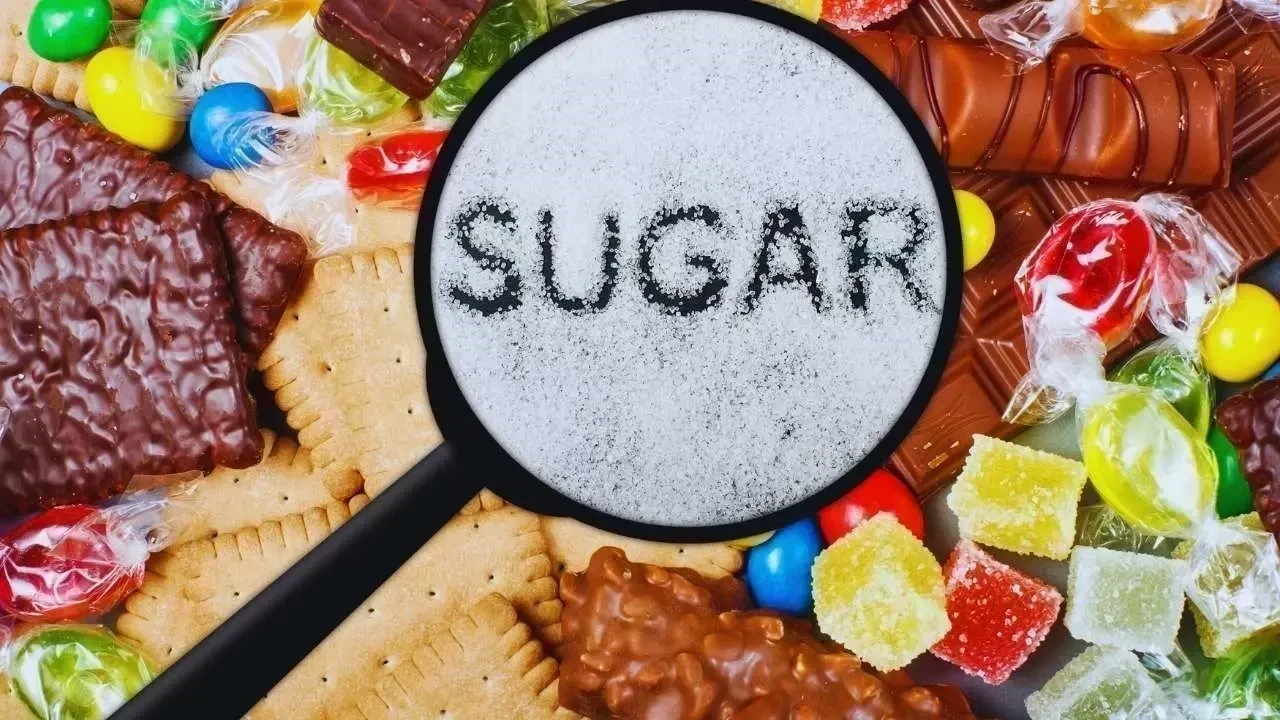
Sugar doesn't announce itself; it gleams from colorful wrappers and hides behind deceptive nutrition claims.
However, once it’s brought to light, its power diminishes. Families that engage in reading, questioning, and adapting can establish safer environments.
Obesity isn’t a predetermined fate; it’s a navigable journey.
And that journey can transform.
One snack, one label, and one informed decision at a time.
This article is intended to provide general information. It does not replace professional medical or nutritional consultation. Parents concerned about their child’s weight or health should seek advice from qualified healthcare providers prior to implementing significant dietary alterations.

Winter Skin Care: 10 Hydrating Drinks That Give Natural Glass Skin Glow
Learn how simple winter drinks keep your skin hydrated reduce dryness and support a natural glass sk

10 Songs That Carry the Same Grit and Realness as Banda Kaam Ka by Chaar Diwari
From underground hip hop to introspective rap here are ten songs that carry the same gritty realisti

PPG and JAFZA Launch Major Tree-Planting Drive for Sustainability
PPG teams up with JAFZA to plant 500 native trees, enhancing green spaces, biodiversity, and air qua

Dubai Welcomes Russia’s Largest Plastic Surgery Team
Russia’s largest plastic surgery team launches a new hub at Fayy Health, bringing world-class aesthe

The Art of Negotiation
Negotiation is more than deal making. It is a life skill that shapes business success leadership dec

Hong Kong Dragon Boat Challenge 2026 Makes Global Debut in Dubai
Dubai successfully hosted the world’s first Hong Kong dragon boat races of 2026, blending sport, cul

Ghanem Launches Regulated Fractional Property Ownership in KSA
Ghanem introduces regulated fractional real estate ownership in Saudi Arabia under REGA Sandbox, ena

Winter Skin Care: 10 Hydrating Drinks That Give Natural Glass Skin Glow
Learn how simple winter drinks keep your skin hydrated reduce dryness and support a natural glass sk

Why Drinking Soaked Chia Seeds Water With Lemon and Honey Before Breakfast Matters
Drinking soaked chia seeds water with lemon and honey before breakfast may support digestion hydrati

Morning Walk vs Evening Walk: Which Helps You Lose More Weight?
Morning or evening walk Learn how both help with weight loss and which walking time suits your body

What Really Happens When You Drink Lemon Turmeric Water Daily
Discover what happens to your body when you drink lemon turmeric water daily including digestion imm

DXB News Network Presents “Ctrl+Alt+Wim”, A Bold New Satirical Series Starring Global Entertainer Wim Hoste
DXB News Network premieres Ctrl+Alt+Wim, a bold new satirical micro‑series starring global entertain

High Heart Rate? 10 Common Causes and 10 Natural Ways to Lower It
Learn why heart rate rises and how to lower it naturally with simple habits healthy food calm routin

10 Simple Natural Remedies That Bring Out Your Skin’s Natural Glow
Discover simple natural remedies for glowing skin Easy daily habits clean care and healthy living ti

Mattel Revamps Masters of the Universe Action Figures for Upcoming Film
Mattel is set to revive Masters of the Universe action figures in sync with their new movie, ignitin