Post by : Anis Karim
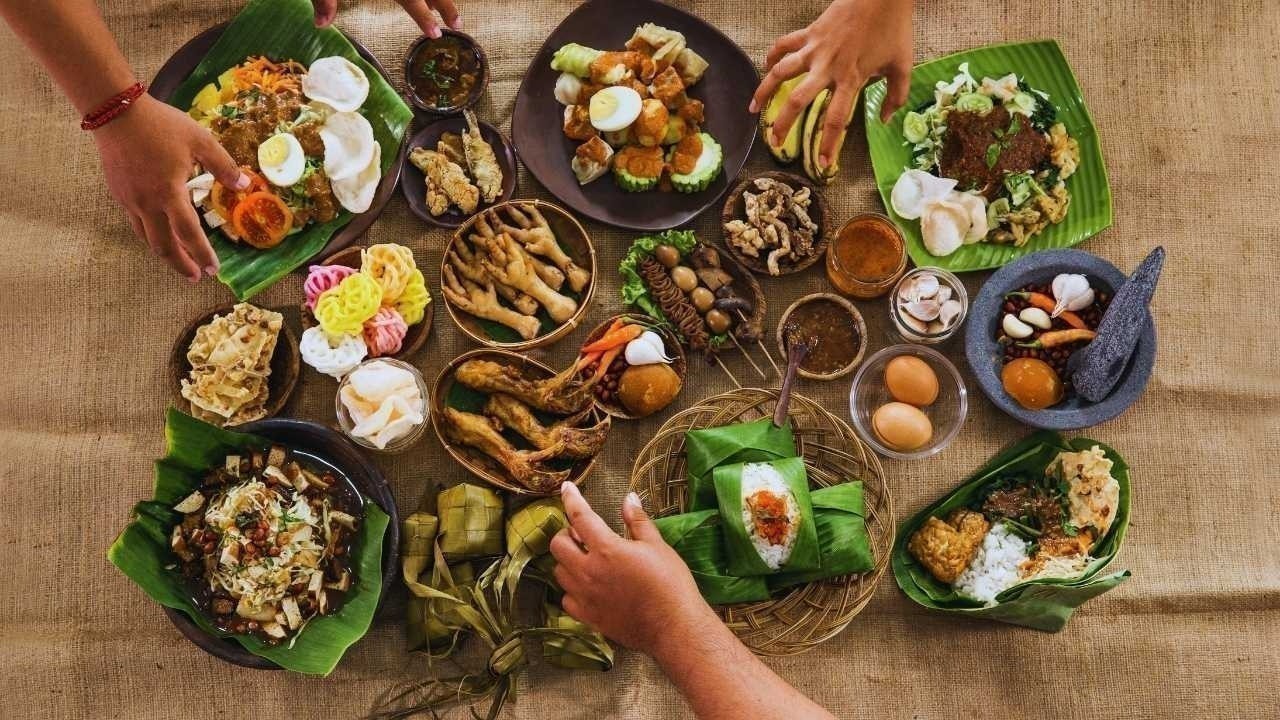
In recent years, culinary travel has surged in popularity, reflecting a global desire to experience destinations beyond conventional sightseeing. Modern travelers increasingly seek immersive experiences that reveal a region’s essence through its cuisine. Restaurants, markets, street vendors, and even home kitchens become gateways to understanding history, traditions, and daily life.
Food tours, in particular, have emerged as a preferred way to navigate this cultural exploration. They combine gastronomy with storytelling, guiding visitors through local flavors while highlighting the significance behind each dish. By engaging all senses, culinary tourism creates memorable, educational, and meaningful travel experiences.
Street food is often the heart of a destination, reflecting centuries of tradition in a single bite. Cities like Bangkok, Istanbul, and Mexico City are celebrated for their vibrant street food scenes. Guided food tours take travelers through bustling markets and alleyways, allowing them to sample delicacies such as pad Thai, kebabs, or tacos.
These experiences go beyond taste; guides often explain the historical, social, and cultural context behind each dish. For example, a taco’s evolution in Mexico City can reveal influences from indigenous, Spanish, and modern culinary trends. Street food tours foster cultural appreciation and encourage travelers to respect the heritage behind everyday meals.
Many food-focused tours emphasize farm-to-table experiences, connecting travelers directly with the sources of their meals. Visiting vineyards, olive farms, spice plantations, or cheese-making facilities allows tourists to witness production processes firsthand.
Such experiences provide insight into the environmental and economic significance of local agriculture. For instance, a tour through Tuscany’s olive groves or Napa Valley vineyards combines scenic beauty with hands-on culinary education. Travelers not only enjoy fresh, local ingredients but also learn about sustainable farming practices and regional traditions.
Hands-on cooking classes have become a cornerstone of culinary tourism. Participants learn traditional techniques under the guidance of local chefs, preparing dishes that often have deep cultural significance.
Whether rolling pasta in Italy, crafting dumplings in China, or preparing tagine in Morocco, these classes engage travelers in active learning. They foster a deeper appreciation for culinary heritage, provide skills to recreate dishes at home, and create meaningful memories that go beyond passive dining experiences.
The most compelling food tours blend gastronomy with storytelling. Guides share anecdotes about historical events, family traditions, and cultural rituals tied to each dish. This narrative context transforms a simple meal into a cultural lesson.
For instance, in Istanbul, a walking food tour may explore how Ottoman influences shaped modern Turkish cuisine. In Kyoto, visitors may discover how tea ceremonies intertwine with local philosophy and art. Story-driven tours deepen the travel experience, creating emotional connections that enrich understanding and appreciation.
Modern culinary travelers increasingly value sustainability and health. Many tours focus on organic, locally-sourced, and ethically-produced ingredients. Seafood tours might highlight sustainable fishing practices, while farm visits emphasize regenerative agriculture.
Tour operators also encourage conscious consumption, reducing food waste and supporting local businesses rather than global chains. By prioritizing sustainability, culinary tourism aligns with responsible travel trends and contributes positively to host communities.
Culinary experiences vary widely between urban centers and rural regions. Cities offer diversity and experimentation, with fusion cuisine, innovative eateries, and bustling markets. Rural destinations emphasize traditional practices, seasonal ingredients, and slower-paced, immersive experiences.
Travelers seeking authentic flavors may explore both, alternating between street food walks in metropolitan hubs and farm-to-table experiences in countryside villages. This combination provides a comprehensive understanding of regional culinary culture, spanning innovation and heritage.
Technology is reshaping food tours and culinary travel. Mobile apps, virtual reality experiences, and social media platforms help travelers discover hidden restaurants, book experiences, and even participate in virtual cooking classes.
Platforms offer reviews, curated itineraries, and multimedia storytelling, enhancing engagement and accessibility. AI-powered recommendation systems also suggest personalized food tours based on preferences, dietary needs, and travel patterns, ensuring that culinary experiences are tailored to individual interests.
Several regions have developed signature culinary tourism offerings:
Italy: Walking tours in Bologna and Florence feature pasta-making, cheese tasting, and gelato workshops.
Japan: Tokyo and Osaka offer street food tours and sushi-making classes, alongside tea ceremonies and sake tastings.
Mexico: Oaxaca and Mexico City feature mole workshops, mezcal tastings, and market tours with local chefs.
Morocco: Marrakech provides spice market explorations, traditional cooking classes, and cultural dining experiences in riads.
These examples illustrate how culinary tourism connects travelers to the soul of each destination.
Food tourism also plays a role in preserving cultural heritage. By generating economic value from local cuisine, communities have an incentive to maintain traditional recipes, cooking techniques, and culinary rituals.
Chefs, home cooks, and artisans pass down knowledge through workshops, tours, and dining experiences. Tourists, in turn, gain firsthand understanding of these practices, creating a cycle of cultural preservation and awareness that extends beyond a single trip.
For travelers interested in food-focused journeys, careful planning enhances the experience:
Research Destinations: Identify regions known for distinctive cuisine and culinary traditions.
Select Reputable Tours: Choose operators with knowledgeable guides, ethical practices, and local community support.
Consider Dietary Needs: Ensure tours accommodate allergies, preferences, or health requirements.
Engage Actively: Participate in cooking, tasting, and learning activities rather than simply observing.
Share Responsibly: Respect local customs and avoid over-commercializing cultural practices.
Well-planned culinary trips create authentic, immersive experiences that celebrate both taste and tradition.
Culinary travel is more than tasting food; it is about understanding the culture, history, and traditions embedded in every dish. From street food walks to immersive farm visits and hands-on cooking classes, food tours provide an intimate lens into a region’s identity.
As travelers increasingly seek meaningful experiences, culinary tourism bridges the gap between exploration and cultural appreciation. By prioritizing authenticity, sustainability, and engagement, these journeys not only delight the palate but also honor the people, practices, and places that make each destination unique.
This article is for informational and educational purposes only. It provides guidance on culinary travel and cultural exploration. Travelers should verify local conditions, health regulations, and tour availability before planning trips.
Family Wins “Family of the Year 2026” at Noor Al Quran Event in Ras Al Khaimah
A family honored at the Noor Al Quran initiative in Ras Al Khaimah for Quran memorization and strong

US Approves $16.5B Arms Deal Amid Iran War Escalation
US approves $16.5B arms sale to Gulf allies and $7B to UAE, boosting defence amid Iran tensions whil

UAE Busts Hezbollah-Iran Terror Network, Members Held
UAE authorities have broken a terror network linked to Hezbollah and Iran, arresting members accused

Swiatek Stunned by Linette in Miami Open Upset Shock
Iga Swiatek suffered a shocking defeat to Magda Linette at the Miami Open, marking her first opening

UAE Orphan Fund Raises AED 3.3 Billion in Ramadan Drive
UAE’s Mother of the Nation Orphan Fund raises AED 3.3B in Ramadan, boosting support for education, h

Ramadan in the UAE: Reflections on Humanity, Leadership, and Lasting Values
A heartfelt Ramadan reflection by Osama Regaah on UAE’s spirit of humility, unity, and leadership, a

Dhurandhar 2 Opens Big, Crosses ₹100 Cr on Day 1
Ranveer Singh starrer Dhurandhar 2 earns ₹102 Cr on day one despite delays, beating past Bollywood o


Bank of Baroda Faces Abu Dhabi Legal Battle over NMC Collapse
Bank of Baroda’s involvement in Abu Dhabi litigation tied to the NMC Healthcare collapse raises repu
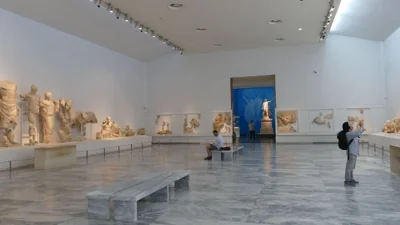
Top Museum Openings of 2026 Set to Transform Global Tourism
From Los Angeles to Abu Dhabi and Brussels, 2026 brings major museum launches—Lucas Museum, Guggenhe

UAE Tour Highlights UAE’s Strength in Hosting Global Sports Events
Abu Dhabi Sports Council says the successful UAE Tour reflects the UAE’s leading role in hosting maj

EU Seeks Clarity from US After Supreme Court IEEPA Ruling
European Commission urges full transparency from the US on steps after Supreme Court ruling, emphasi

SpaceX Launches 53 New Satellites for Expanding Starlink Network
SpaceX launches 53 Starlink satellites in two Falcon 9 missions, breaking reuse records and expandin

RTA Awards Contract for Phase II of Hessa Street Upgrade in Dubai
Phase II of Hessa Street Development to add bridges, tunnel, and upgraded intersections, doubling ca

UAE Gold Prices Today, Monday 16 February 2026: Dubai & Abu Dhabi Updated Rates
Gold prices in UAE on 16 Feb 2026 updated: 24K around AED 599.75/gm, 22K AED 555.25/gm, and 18K AED

Over 25 Ahmedabad Schools Receive Bomb Threat Email, Authorities Investigate
More than 25 schools in Ahmedabad evacuated after bomb threat emails mentioning Khalistan. Authoriti