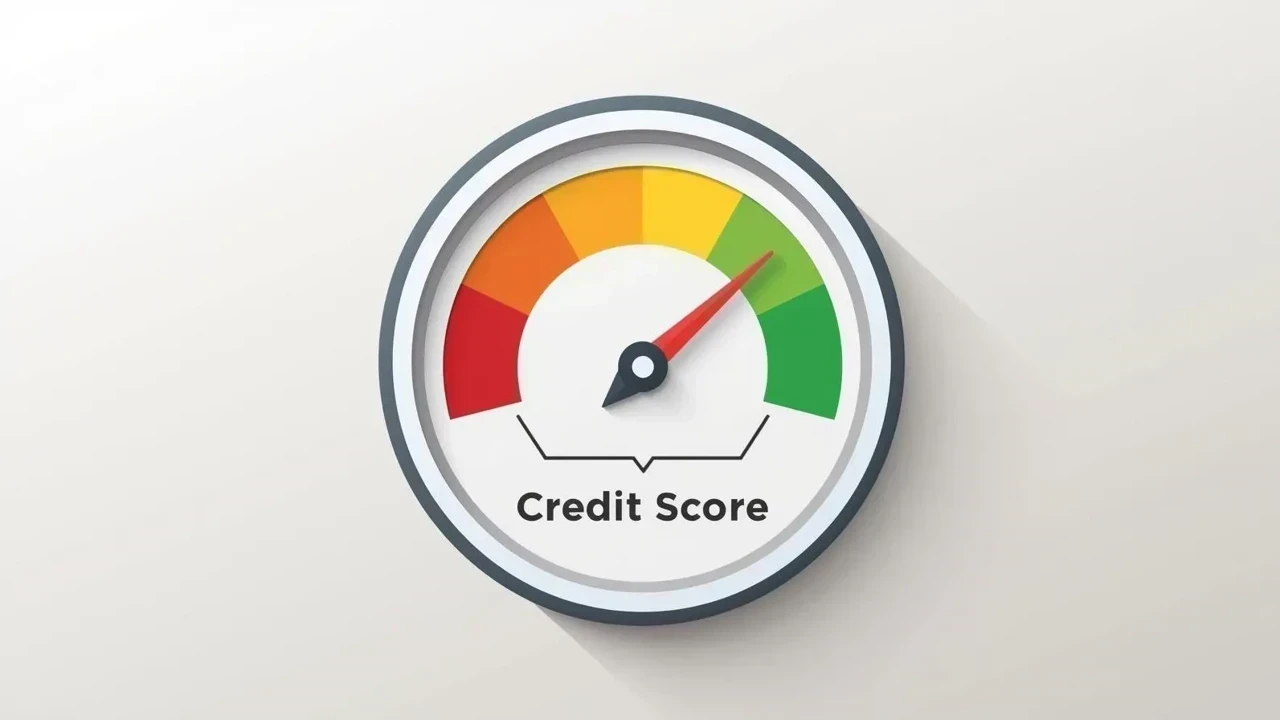
Post by : Sam Jeet Rahman
Your credit score is one of the most powerful financial numbers in your life. It affects whether you get approved for loans, the interest rate you pay, your credit card limits, rental approvals, and sometimes even job background checks. Yet many people are confused when their credit score suddenly drops or rises without an obvious reason.
Credit scores do not change randomly. Every increase or decrease happens because of specific financial behaviors and data updates reported to credit bureaus. Understanding these factors clearly helps you protect your score, fix mistakes faster, and build long-term financial trust.
This in-depth guide explains all the major and minor factors that determine credit score changes, how they interact, and how you can manage them intelligently.
A credit score is a numerical representation of your creditworthiness, calculated using information from your credit report. Lenders use it to predict how responsibly you are likely to repay borrowed money.
Credit bureaus collect data from banks, NBFCs, credit card companies, and lenders. This data is then processed using scoring models that assign weight to different behaviors.
Even small actions can trigger changes because credit scoring is dynamic and behavior-based, not fixed.
Payment history is the most important factor affecting credit score changes.
On-time EMI payments
Credit card bill payments
Late payments
Missed payments
Settlements and defaults
Accounts marked as delinquent
Even a single late payment can negatively affect your score, especially if you have a short credit history.
Late payments signal risk. Lenders assume that someone who misses payments may struggle to repay future loans.
1–30 days late has moderate impact
30–90 days late has severe impact
Repeated late payments cause long-term damage
On-time payments, however, gradually build trust and stability.
Your credit utilization ratio measures how much of your available credit you are using.
Credit used ÷ total credit limit = utilization percentage
For example, using 40,000 from a 1,00,000 limit equals 40% utilization.
High utilization signals dependency on credit. It suggests financial stress even if payments are on time.
Below 30% is considered healthy
Below 10% is excellent
Maxing out credit cards—even temporarily—can cause a noticeable score drop.
Credit scores favor a balanced mix of credit.
Secured loans (home loan, car loan)
Unsecured loans (personal loans)
Revolving credit (credit cards)
A healthy mix shows you can manage different forms of borrowing responsibly.
Avoid taking unnecessary loans just to improve credit mix. Forced borrowing can backfire if mismanaged.
The age of your credit history plays a significant role in score stability.
Oldest credit account
Average age of all accounts
Consistency of usage over time
Longer histories provide more data and increase lender confidence.
Closing your oldest credit card reduces average account age and available credit, which may lower your score.
Every time you apply for credit, lenders perform a hard inquiry.
Each inquiry causes a small temporary dip
Multiple inquiries in a short period amplify the impact
Signals credit-hungry behavior
Space out loan and card applications
Avoid applying for multiple products simultaneously
Use eligibility checks before formal applications
How you repay loans matters beyond just timeliness.
Consistent EMI payments
Prepayments vs irregular payments
Loan restructuring or rescheduling
While prepaying is positive, frequent restructuring can raise red flags.
These are major negative markers.
A settlement means you did not repay the full agreed amount. Even after settlement, the account remains marked negatively.
Score drops significantly
Takes years to rebuild trust
Limits access to affordable credit
Avoid settlements unless absolutely necessary.
Credit limit changes can impact utilization.
Reduces utilization ratio
Can improve score if spending stays stable
Increases utilization instantly
May cause score drop
Requesting limit increases responsibly can support score improvement.
Credit score changes sometimes happen due to reporting errors.
Incorrect late payment reporting
Duplicate accounts
Closed accounts shown as active
Wrong personal details
Errors can silently damage scores if not corrected.
Regular credit report checks help catch issues early before they escalate.
Surprisingly, not using credit can cause score stagnation or decline.
Credit scores need active data. Long periods without usage reduce scoring confidence.
Small monthly transactions
Timely full payments
Active but controlled credit behavior
This keeps your profile healthy.
Sometimes credit score changes are influenced by external factors.
Changes in scoring models
Updated reporting rules
Banking policy shifts
While rare, these changes can affect multiple users simultaneously.
Credit scores can change monthly based on reported data.
Late payments cause immediate drops
Positive behavior improves scores gradually
Recovery takes longer than decline
Consistency is more powerful than quick fixes.
Checking your own score is a soft inquiry and does not affect your credit.
Closing cards often reduces available credit and hurts utilization.
Income does not directly impact credit scores—behavior does.
Automate payments wherever possible.
Spend less than 30% of your total limit.
Apply only when needed and prepared.
Maintain your oldest credit lines.
Check for errors and unusual changes regularly.
One mistake does not ruin your score forever. Credit scoring systems focus on patterns over time, not isolated events.
Responsible behavior, patience, and consistency matter more than short-term fluctuations.
Credit score changes are not mysterious or uncontrollable. They are the result of trackable behaviors, financial discipline, and data accuracy. When you understand what influences your score, you move from reacting to changes to controlling them.
A strong credit score is built quietly—through everyday decisions made consistently.
This article is for informational and educational purposes only and does not constitute financial, legal, or credit advice. Credit scoring models, weightage, and reporting practices may vary by country, lender, and credit bureau. Readers should consult financial professionals or credit institutions for personalized guidance before making credit-related decisions.

Dubai Allows 24/7 Truck Movement to Boost Logistics
Dubai extends 24/7 truck movement to support logistics, excluding key tunnels. Authorities urge driv
BoE Holds Rates at 3.75% as Iran War Fuels Inflation
Bank of England holds rates at 3.75% as Iran war drives oil prices up, raising inflation risks and d

Ananya Panday shines at Lakme Fashion Week 2026
Ananya Panday walked as showstopper for Rahul Mishra at Lakme Fashion Week 2026, wearing an ivory ou

Gold Prices Edge Up, Set for Third Weekly Decline
Gold prices rose slightly but are heading for a third weekly loss as a strong US dollar and Fed tigh

Philippine Airlines Suspends Dubai, Doha Flights Till April 30
Philippine Airlines has suspended Manila-Dubai and Doha flights till April 30 due to Middle East ten

Deadly Factory Fire in Daejeon Kills 11, Several Missing
A massive fire at an auto parts factory in Daejeon, South Korea, has killed 11 people, injured 59, a

Sanofi Opens Innovation Centre in Chengdu China
Sanofi opens its first China Innovation Centre in Chengdu, boosting R&D, clinical trials, and supply


Bank of Baroda Faces Abu Dhabi Legal Battle over NMC Collapse
Bank of Baroda’s involvement in Abu Dhabi litigation tied to the NMC Healthcare collapse raises repu

Top Museum Openings of 2026 Set to Transform Global Tourism
From Los Angeles to Abu Dhabi and Brussels, 2026 brings major museum launches—Lucas Museum, Guggenhe

UAE Tour Highlights UAE’s Strength in Hosting Global Sports Events
Abu Dhabi Sports Council says the successful UAE Tour reflects the UAE’s leading role in hosting maj

EU Seeks Clarity from US After Supreme Court IEEPA Ruling
European Commission urges full transparency from the US on steps after Supreme Court ruling, emphasi

SpaceX Launches 53 New Satellites for Expanding Starlink Network
SpaceX launches 53 Starlink satellites in two Falcon 9 missions, breaking reuse records and expandin

RTA Awards Contract for Phase II of Hessa Street Upgrade in Dubai
Phase II of Hessa Street Development to add bridges, tunnel, and upgraded intersections, doubling ca

UAE Gold Prices Today, Monday 16 February 2026: Dubai & Abu Dhabi Updated Rates
Gold prices in UAE on 16 Feb 2026 updated: 24K around AED 599.75/gm, 22K AED 555.25/gm, and 18K AED

Over 25 Ahmedabad Schools Receive Bomb Threat Email, Authorities Investigate
More than 25 schools in Ahmedabad evacuated after bomb threat emails mentioning Khalistan. Authoriti