Post by : Anis Karim
In a world of seamless transactions and digital wallets, credit cards have become indispensable. They facilitate bill payments, ticket bookings, emergency funds, and spontaneous purchases. Under normal price conditions, many users handle their balances without concern. However, during inflationary times, these cards shift from being helpful tools to potential financial traps. With groceries, school fees, medical expenses, and fuel prices all rising, many find themselves relying heavily on credit to sustain their living standards.
Initially, this shift may seem trivial. A few additional purchases here and there, coupled with some missed payments, and life continues as usual. Yet, the cumulative effect of inflation on repayment capabilities, along with compounding interest, creates an ever-tightening debt cycle. Grasping the impacts of inflation on credit risk isn't just a smart financial move; it's essential for survival.
This piece explores how inflation skews spending, the necessity for new strategies in times of economic strain, and how families can break the damaging cycle before it erodes their savings, mental well-being, and peace of mind.
Inflation alters more than just prices; it reshapes our perceptions and spending habits. What was once easily affordable may suddenly feel burdensome, while previous luxuries become perceived necessities.
As expenses for essentials like food, housing, and transportation outpace income growth, discretionary spending can evaporate. Priority is given to bills, leaving scant resources for emergencies or savings. In such scenarios, credit cards can become the buffer that prevents financial collapse.
However, inflation impacts purchasing power while interest rates typically rise in reaction. This deadly combination leaves borrowers more vulnerable than ever. The household that once paid bills effortlessly now grapples with escalating costs alongside soaring interest rates.
Meeting only the minimum payment may appear responsible during tough times. It keeps accounts open and avoids additional fees, but these minimum amounts are structured to extend repayment rather than reduce it. In inflationary periods, these payments frequently only cover interest, leaving the principal untouched.
This illusion of progress masks stagnation. Over time, balances might look unchanged, but repayment periods stretch dramatically due to inflation, transforming minimum payments into long-term burdens.
Financial stress alters behavior. Inflation doesn’t just hit the wallet; it impacts our emotions.
With rising expenses and increasing uncertainty, spending often serves as an emotional outlet. Small purchases might provide temporary relief, filling the emotional void left by financial strain, turning credit cards into tools for mood management.
The main issue isn’t the spending itself but the habit that can develop, silently compounding debt.
High inflation can create a mindset of “buy now before prices go up.” This leads to impulsive purchases, even for non-essential items. The instant gratification that credit cards offer masks the long-term consequences.
However, what feels like a savvy move can quickly transform into buyer's remorse when the credit card bill arrives long after the emotional justification has faded.
Inflation heightens the threat posed by interest rates.
A purchase that may feel benign can snowball into a hefty sum if carried month-to-month. Daily, the interest might seem negligible, but over weeks, months, and years, it compounds rapidly.
Inflation also exacerbates the gap between spending and repayment, allowing interest to accumulate unchecked, turning present borrowing into future financial penalties.
As financial strains emerge, timely payments can falter. Late fees, increased interest rates, and over-limit penalties can quickly escalate the debt burden. One missed payment can tarnish credit scores and trigger even higher charges.
Inflation not only increases prices but also inflates the cost of errors.
In inflationary climates, credit cards require a measured approach, not avoidance.
Past budgets can mislead during times of rising prices. Essentials like food and utilities require recalibrated expectations. Without revising expenses, it’s easy to misjudge spending and lean on credit too heavily.
Inflation-centric budgeting means monitoring expenses weekly rather than relying on monthly estimates.
In times of financial pressure, discerning between essential and discretionary spending is critical. While medical or educational costs can be justified on credit, luxury items and impulse buys cannot.
During inflationary times, maintaining emotional control translates to financial fortitude.
If carrying a balance is necessary, prioritize paying down lower-interest credit first. Whenever feasible, transfer balances to reduce interest costs. Hold off on new purchases until existing balances decrease.
The strategy is straightforward: tackle debt before it multiplies.
Credit masks the reality of spending pain; cash highlights it.
Swiping cards often lacks the same emotional impact as handing over cash. When inflation rises, opting for cash can add a layer of psychological friction that deters impulsive buying.
Whenever possible, utilize funds you already possess rather than borrowed money. Credit cards should serve as safety nets, not regular spending tools.
Inflation can hit hard against households lacking financial buffers.
Without savings, unexpected costs lead to debt. Medical expenses, urgent repairs, or sudden income loss can transform into prolonged credit dependence.
An emergency fund can alleviate anxiety and prevent users from falling into debt traps.
Saving small amounts regularly helps create a financial cushion. Inflation rewards those who prepare, punishing those who become complacent.
Dealing with debt can disrupt sleep, focus, and relationships.
Frequent balance checks, fear of bills, and avoidance behaviors signal a growing financial burden. Many dismiss these signs until their health is compromised.
Discussions with family members, partners, or financial advisors can relieve feelings of isolation. Financial struggles are not failures; silence around them often is.
Rising inflation invites the temptation of lifestyle upgrades.
Wage raises often disappear into new gadgets, gourmet meals, and subscription services. Credit cards make it easy to expand lifestyle without immediate consequences.
This cycle often leads to earning more yet owning less.
By resisting unnecessary upgrades, individuals maintain flexibility. Lower expenditures equate to enhanced freedom during price surges.
Discounts do not always equate to savings.
Deferred payment options can lead to future financial burdens. They encourage spending beyond budgetary constraints.
Just because a purchase is postponed doesn’t mean it’s a wise buy.
Chasing rewards can lead to needless spending. Points are meaningless if they come at the cost of accruing interest.
If debt has escalated, recovery is achievable.
Compile a comprehensive list of every card, along with balances and interest rates. Ignoring these numbers only prolongs recovery.
Banks are often amenable to restructuring payment plans for clients facing difficulties. Addressing issues early can alleviate stress and save funds.
Consistency should take precedence over speed. Achieving small victories fosters momentum.
Families influence spending habits.
Discussing debt promotes awareness; silence breeds fear.
Managing finances is more manageable when tackled as a team.
Inflation-induced challenges won't disappear instantly, but users can adapt.
Credit cards aren’t adversaries—misuse is. A strategic approach can convert risk into control.
True financial freedom isn't about rejecting all comfort; it’s about making informed choices that avoid future repercussions.
In tough economic climates, credit exposes one’s character. It rewards careful management and reveals recklessness. Those who treat credit as a safety net will weather inflation; those who rely on it for everyday life may face financial suffocation.
The most astute cardholders in the coming years won’t be the ones with the highest limits but rather those who utilize their cards the least.
In a period of high inflation, true power lies not in unrestricted spending, but in living free from anxiety.
This article is intended for informational purposes only and does not serve as financial advice. Readers should assess their individual financial circumstances and seek guidance from qualified professionals before making credit or repayment decisions.

Predictheon Wins WHX Xcelerate Innovation Champion 2026
Predictheon won WHX 2026 Xcelerate, earning US$12,000, WHX 2027 space and global exposure for its AI

Omantel Launches Otech to Drive Oman’s Future Tech Vision
Omantel launches Otech to accelerate Oman’s digital transformation, strengthen data sovereignty, exp

Daimler Truck MEA Honors Top Distributors at EliteClass 2025
Daimler Truck MEA hosted EliteClass Awards 2025 in Dubai, honoring top distributors across 19 catego

King Mohammed VI Launches Safran Landing Gear Plant in Morocco
Morocco strengthens its aerospace leadership as King Mohammed VI launches Safran’s €280M landing gea

Qatar Emir Sheikh Tamim Arrives in UAE on Fraternal Visit
Qatar’s Emir Sheikh Tamim bin Hamad Al Thani arrived in Abu Dhabi on Saturday. UAE President Sheikh

Shaidorov Wins Stunning Olympic Gold as Malinin Falters
Kazakhstan’s Mikhail Shaidorov won men’s figure skating gold after US star Ilia Malinin fell twice.

Shakira’s 5-Show El Salvador Residency Boosts Bukele Image
Shakira’s five sold-out concerts in San Salvador highlight El Salvador’s security shift under Bukele


Why Drinking Soaked Chia Seeds Water With Lemon and Honey Before Breakfast Matters
Drinking soaked chia seeds water with lemon and honey before breakfast may support digestion hydrati

Morning Walk vs Evening Walk: Which Helps You Lose More Weight?
Morning or evening walk Learn how both help with weight loss and which walking time suits your body

What Really Happens When You Drink Lemon Turmeric Water Daily
Discover what happens to your body when you drink lemon turmeric water daily including digestion imm
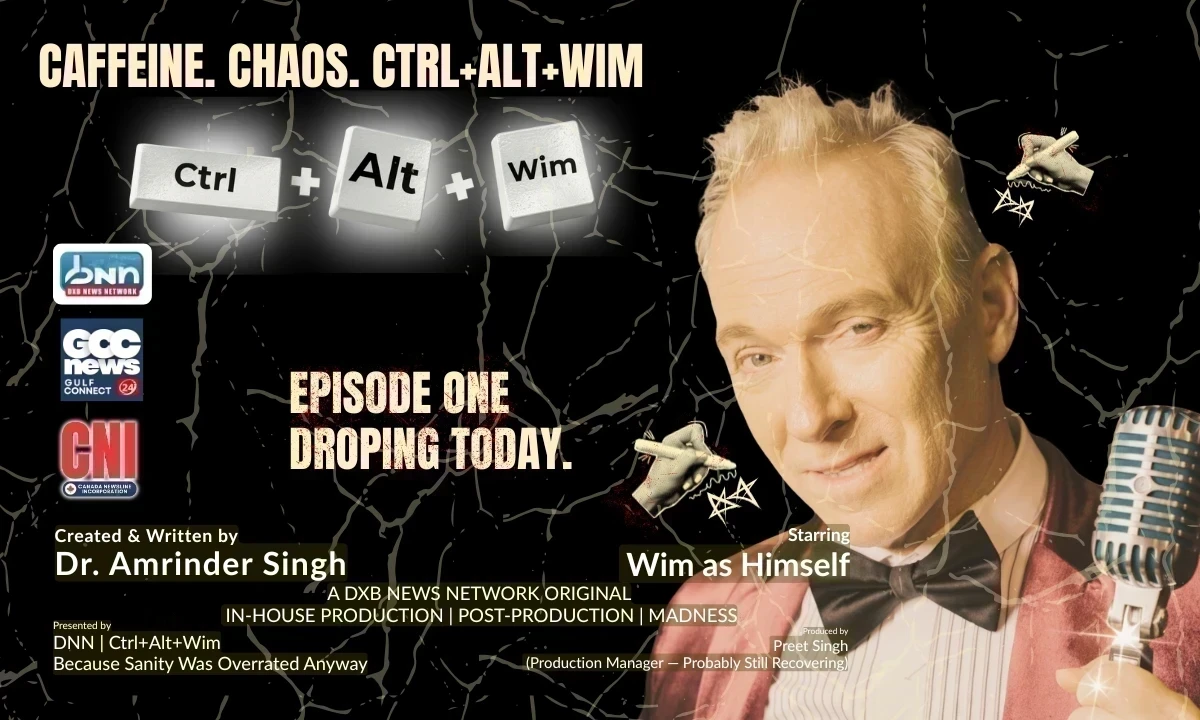
DXB News Network Presents “Ctrl+Alt+Wim”, A Bold New Satirical Series Starring Global Entertainer Wim Hoste
DXB News Network premieres Ctrl+Alt+Wim, a bold new satirical micro‑series starring global entertain

High Heart Rate? 10 Common Causes and 10 Natural Ways to Lower It
Learn why heart rate rises and how to lower it naturally with simple habits healthy food calm routin

10 Simple Natural Remedies That Bring Out Your Skin’s Natural Glow
Discover simple natural remedies for glowing skin Easy daily habits clean care and healthy living ti

Mattel Revamps Masters of the Universe Action Figures for Upcoming Film
Mattel is set to revive Masters of the Universe action figures in sync with their new movie, ignitin

China Executes 11 Members of Infamous Ming Family Behind Myanmar Scam Operations
China has executed 11 Ming family members, linked to extensive scams and gambling in Myanmar, causin