Post by : Anis Karim
Cloud kitchens have quietly reshaped the way India eats. Once considered an urban-centric concept limited to large metros, these delivery-only kitchens have now found a strong foothold in smaller cities and towns. They offer a combination people everywhere appreciate: fresh meals, quick delivery and pocket-friendly pricing.
This shift is significant because it reflects how consumers outside major metros are embracing convenience, digital payments, food apps and a wider variety of cuisines. At the same time, entrepreneurs are discovering that smaller cities offer lower costs, smoother logistics and rapidly growing demand.
This article explores how cloud kitchens are transforming affordable dining in India’s smaller cities, what makes the model work, its impact on consumers and the challenges ahead.
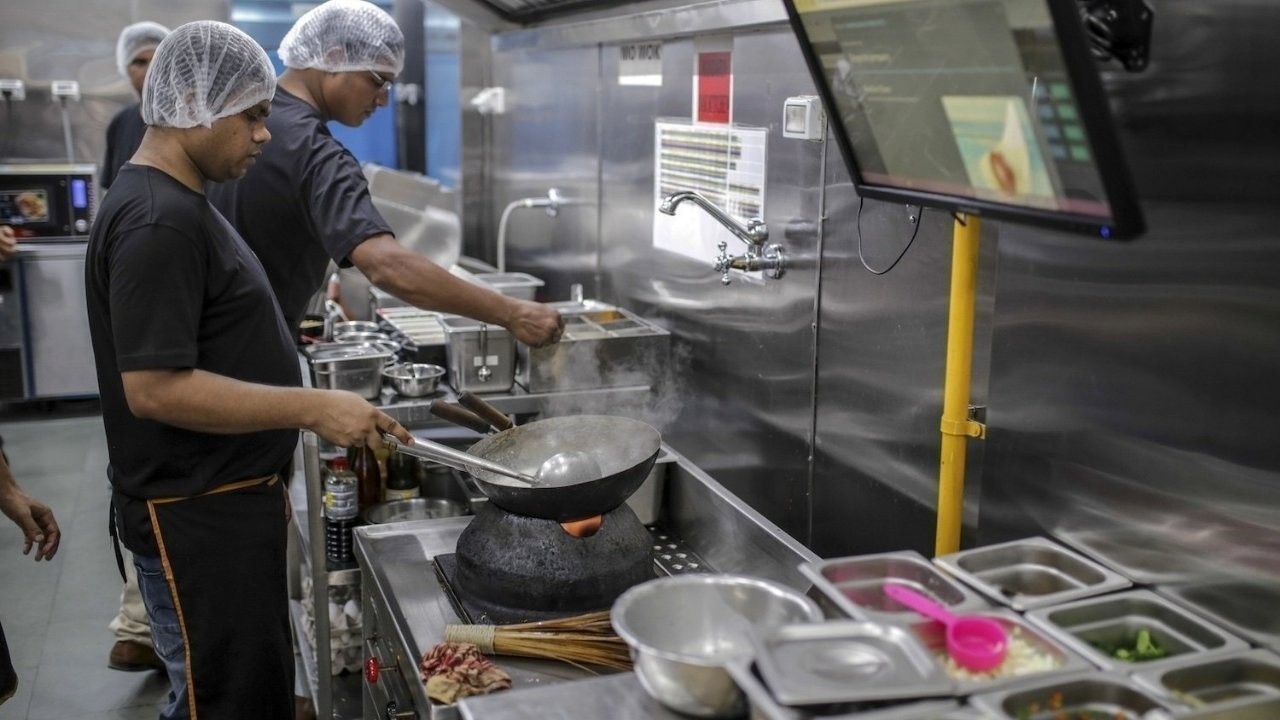
A cloud kitchen is a delivery-only food setup with no dine-in space. There’s no seating area, waitstaff or elaborate interiors. Everything revolves around preparing food and delivering it efficiently through food-delivery apps or direct orders.
Because they operate from modest spaces and avoid front-of-house overheads, cloud kitchens cut down on major costs. This makes them attractive to operators and allows them to offer competitive pricing to customers.
Cloud kitchens flourished in metros first, but several reasons are pushing them into Tier-2 and Tier-3 cities at a remarkable pace.
Rental prices, utilities and manpower costs are significantly lower in smaller towns. A kitchen that would cost a premium in a metro can operate at a fraction of that cost in a provincial city, helping owners maintain affordable menu prices.
Many smaller cities lack variety in dine-in restaurants. With internet access expanding and food-delivery apps entering newer regions, people have become more open to ordering cooked meals at home. This creates a ready audience for cloud kitchens.
Unlike metros, smaller towns are not oversaturated with restaurants and brands. This means cloud kitchens can build a loyal customer base fast and become recognised names without excessive marketing.
As awareness of global cuisines grows, customers in smaller cities want more than standard local fare. Cloud kitchens experiment easily with new menus, helping meet this evolving demand without huge investments.
Their structure allows them to maintain prices that suit budget-conscious households.
With no seating, décor or waitstaff, cloud kitchens save on large fixed expenses. They operate with lean teams, smaller spaces and lower utility bills. These savings directly impact how competitively they can price their meals.
Smaller cities typically have less traffic congestion and shorter travel distances. This improves delivery time and lowers operational costs. The savings often get passed on to customers in the form of modest delivery fees or combo deals.
A single cloud kitchen can run several virtual brands—like biryani, Chinese, snacks and healthy bowls—using the same staff and infrastructure. Customers enjoy variety without businesses needing multiple locations.
With ordering becoming part of everyday life, volumes go up, and higher order frequency helps kitchens stabilise costs, further making meals affordable.
Cloud kitchens often use local vegetables, grains and spices available at better prices. This keeps their ingredient expenses predictable and manageable, which reflects in their pricing.
India’s cloud-kitchen segment has grown steadily over the last few years. The expansion into Tier-2 and Tier-3 cities is one of the strongest trends, driven by lower operational costs and a large untapped customer base. Cities like Jaipur, Guwahati, Coimbatore, Ludhiana and Raipur have seen a sharp rise in delivery-focused kitchens, many of which outperform their metro counterparts because competition is lower and demand is rising steadily.
The consumer benefits are clear and growing.
People get access to diverse menus—North Indian, Chinese, biryani, tandoor, healthy bowls—without leaving home or paying for a dine-in experience they may not need.
Many households prefer ordering during busy days, festivals, or when they want a break from cooking. Shorter delivery times make this even easier.
Because cloud kitchens save on operational costs, they can offer value meals, combos and generous portions at prices that work for everyday budgets.
Cloud kitchens create local employment—cooks, packers, delivery partners—and support produce suppliers. This builds a micro-economy around the food-delivery ecosystem.
Customers can compare pricing, portions and reviews across kitchens easily. This competition benefits consumers, keeping rates fair.
From a business standpoint, smaller cities offer strategic advantages.
Setting up a kitchen requires less capital. This allows local entrepreneurs, home chefs and small restaurant owners to expand into delivery without taking large financial risks.
Since there are fewer cloud-based brands in smaller cities, it’s easier to stand out. Word-of-mouth spreads faster in compact markets.
Operators can experiment with new concepts, test multiple brands and adjust recipes to suit local tastes. Unlike expensive restaurant setups, changes in cloud kitchens cost little.
Food-delivery apps are expanding coverage aggressively, giving small-city cloud kitchens visibility they couldn’t achieve alone.
The cloud-kitchen model is promising but not without hurdles.
High commission charges and reliance on platform algorithms can reduce profit margins and limit direct control over customer relationships.
Customers cannot see the kitchen, so trust must be built through packaging quality, hygiene consistency, reliable taste and positive reviews.
Even in smaller cities, peak-hour traffic, limited delivery staff or kitchen location can impact delivery times.
Menus need localisation—portion sizes, spice levels and pricing must fit the city’s preferences.
If too many kitchens open too quickly, competition may drive prices down and reduce viability—similar to what happened earlier in metros.
Several trends will define the next phase of cloud-kitchen growth in smaller towns:
Broader multi-brand kitchens running diverse menus from one location
In-house ordering systems and loyalty programmes to reduce dependency on aggregators
Faster delivery through small satellite kitchens inside residential areas
Wider adoption of sustainable packaging as consumer awareness rises
Greater emphasis on regional specialities and local produce
These trends indicate that cloud kitchens are not temporary experiments. They are evolving into essential players in the local food ecosystem.
For residents in smaller towns, cloud kitchens are shaping new eating habits:
Ordering food becomes a weekly routine, not an occasional event
Consumers get access to global cuisines once unavailable locally
More families enjoy the convenience of restaurant-quality food at home
Local chefs find new opportunities to showcase their talent
Younger consumers experiment more with taste, cuisine and formats
This is reshaping food culture in smaller cities, making it more dynamic and diverse.
Affordable dining through cloud kitchens typically includes:
Meals priced close to or lower than dine-in restaurants
Minimal delivery fees within local limits
Reliable food quality and hygienic packaging
Multiple budget-friendly combos and single-serve options
Because cloud kitchens keep costs low, they can sustain this affordability without compromising quality.
When choosing a cloud-kitchen meal, customers can keep these simple checks in mind:
Delivery speed and accuracy
Menu pricing compared with local restaurants
Quality of packaging and hygiene
Customer reviews and consistency
Practical delivery radius to avoid high charges
Value combos that offer portion-friendly deals
Cloud kitchens are no longer just a metropolitan convenience. They are changing how smaller-city India eats by offering affordability, variety and reliability. They work well because their structure cuts unnecessary costs while meeting growing demand for quick, tasty and diverse meals.
For consumers, they bring convenience and choice. For entrepreneurs, they offer a lower-risk path to entering the food business. For the cities themselves, they contribute to employment, food innovation and new-age culinary culture.
As ordering habits continue to grow and technology becomes more integrated with everyday life, cloud kitchens will play an even larger role in shaping the food landscape of smaller cities.

Family Wins “Family of the Year 2026” at Noor Al Quran Event in Ras Al Khaimah
A family honored at the Noor Al Quran initiative in Ras Al Khaimah for Quran memorization and strong

US Approves $16.5B Arms Deal Amid Iran War Escalation
US approves $16.5B arms sale to Gulf allies and $7B to UAE, boosting defence amid Iran tensions whil

UAE Busts Hezbollah-Iran Terror Network, Members Held
UAE authorities have broken a terror network linked to Hezbollah and Iran, arresting members accused

Swiatek Stunned by Linette in Miami Open Upset Shock
Iga Swiatek suffered a shocking defeat to Magda Linette at the Miami Open, marking her first opening

UAE Orphan Fund Raises AED 3.3 Billion in Ramadan Drive
UAE’s Mother of the Nation Orphan Fund raises AED 3.3B in Ramadan, boosting support for education, h

Ramadan in the UAE: Reflections on Humanity, Leadership, and Lasting Values
A heartfelt Ramadan reflection by Osama Regaah on UAE’s spirit of humility, unity, and leadership, a

Dhurandhar 2 Opens Big, Crosses ₹100 Cr on Day 1
Ranveer Singh starrer Dhurandhar 2 earns ₹102 Cr on day one despite delays, beating past Bollywood o


Bank of Baroda Faces Abu Dhabi Legal Battle over NMC Collapse
Bank of Baroda’s involvement in Abu Dhabi litigation tied to the NMC Healthcare collapse raises repu

Top Museum Openings of 2026 Set to Transform Global Tourism
From Los Angeles to Abu Dhabi and Brussels, 2026 brings major museum launches—Lucas Museum, Guggenhe

UAE Tour Highlights UAE’s Strength in Hosting Global Sports Events
Abu Dhabi Sports Council says the successful UAE Tour reflects the UAE’s leading role in hosting maj

EU Seeks Clarity from US After Supreme Court IEEPA Ruling
European Commission urges full transparency from the US on steps after Supreme Court ruling, emphasi

SpaceX Launches 53 New Satellites for Expanding Starlink Network
SpaceX launches 53 Starlink satellites in two Falcon 9 missions, breaking reuse records and expandin

RTA Awards Contract for Phase II of Hessa Street Upgrade in Dubai
Phase II of Hessa Street Development to add bridges, tunnel, and upgraded intersections, doubling ca

UAE Gold Prices Today, Monday 16 February 2026: Dubai & Abu Dhabi Updated Rates
Gold prices in UAE on 16 Feb 2026 updated: 24K around AED 599.75/gm, 22K AED 555.25/gm, and 18K AED

Over 25 Ahmedabad Schools Receive Bomb Threat Email, Authorities Investigate
More than 25 schools in Ahmedabad evacuated after bomb threat emails mentioning Khalistan. Authoriti