Post by : Sam Jeet Rahman
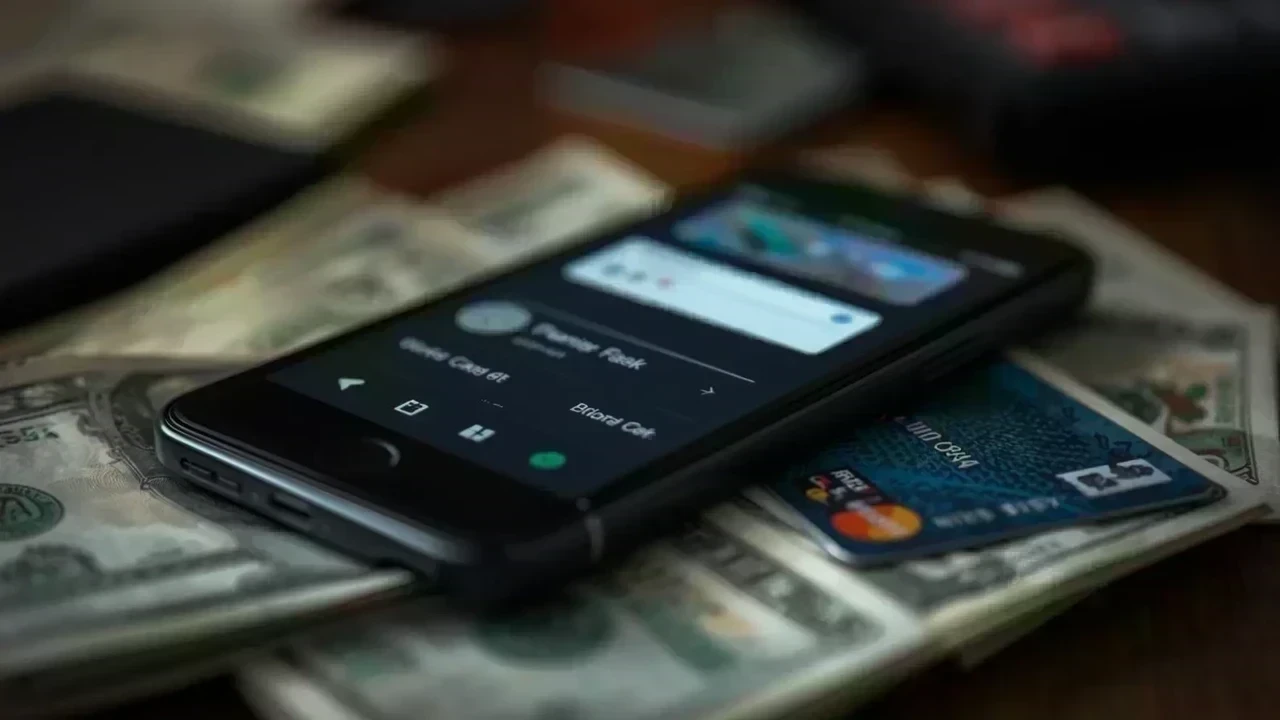
In the United Arab Emirates (UAE), everyday payments are evolving rapidly. With one of the most tech-savvy populations in the Middle East, the UAE has embraced digital payments, mobile wallets, and card usage in a big way — but cash still plays a role in many day-to-day transactions. This comprehensive guide explores how residents and visitors actually pay for goods and services in the UAE today, including what’s most common, which technologies are driving adoption, and how preferences vary by situation.
The UAE has a highly developed economy with ambitious goals for digital transformation. Government initiatives, strong banking infrastructure, and widespread smartphone usage have accelerated the shift toward cashless payments. However, cultural habits, industry norms, and transactional needs continue to influence what people actually use in real life.
In this context, digital payments include:
Card payments: Debit and credit cards (Visa, Mastercard, local bank cards)
Contactless & Mobile Wallets: Apple Pay, Samsung Pay, Google Pay
Peer-to-peer apps: Payit, UAE bank apps with transfers
QR code payments: Scan & pay solutions in stores, taxis, and food outlets
Digital payments can be with plastic cards, mobile wallets, or direct app-to-app transfers.
Cash payments are physical notes and coins used for purchases. In everyday terms, this means:
Small purchases at markets and street vendors
Taxis or parking meters that may prefer cash
Tipping workers or service providers
Cash remains relevant particularly when digital infrastructure is absent or inconvenient.
Digital payments lead in most formal settings. In malls, supermarkets, hotels, online shopping, and major retailers, people overwhelmingly use cards or mobile wallets. UAE banks and businesses have heavily promoted contactless and wallet options — especially since the COVID-19 pandemic — due to hygiene, speed, and convenience.
However, cash still circulates in certain scenarios, especially informal purchases, small service tips, and transactions where digital infrastructure is limited or inconvenient.
Retail & Supermarkets: Most shoppers use debit or credit cards. Contactless speeds up the checkout process.
Online Shopping: Almost entirely digital (cards and mobile pay).
Restaurants & Cafés: Card payments are the norm, with many places now also offering QR ordering and in-app payments.
Ride-hailing & Delivery Apps: Digital payments are standard via app wallets or card on file.
Utilities & Bills: Most residents pay digitally through bank apps or auto-pay services.
Small Markets & Street Vendors: Some vendors prefer cash or accept cash only due to low digital integration.
Tipping: Workers often prefer cash for gratuities.
Parking Fees: Certain on-street meters or small shops may require cash.
Remote Areas: Less urbanized regions may offer limited card facilities or unstable digital connectivity.
Mobile wallets like Apple Pay, Samsung Pay, Google Pay, and local bank wallet apps are growing fast, especially among younger consumers and expatriates. Many retailers now accept contactless payments for convenience and speed. The UAE’s high smartphone penetration makes wallet adoption easier.
QR code payments — where users scan a code to pay via a bank app or wallet — are also expanding, especially in food outlets and services where terminal costs for merchants are high.
Small purchases: People often use cash for very small buys, tips, and places that don’t have card terminals.
Mid-sized transactions: Cards and wallets are dominant.
Large transactions: Digital payments — especially cards and online systems — are almost always preferred.
Younger residents and expatriates are more likely to use digital and contactless payments exclusively.
Older generations may still carry cash and use it frequently for smaller purchases.
Tourists typically prefer cards but often withdraw cash for small market purchases or tips.
Digital payments often carry transaction fees for merchants, which can influence whether small vendors accept cards. Cash, on the other hand, has no processing costs, making it attractive for informal sellers even if it’s less convenient for consumers.
Government programs and banks have actively encouraged cashless payments through incentives, reduced fees, and educational campaigns. Some cities and events promote “smart payments” where digital transactions are highlighted as faster and safer.
While precise statistics vary by demographic and region, digital payments are generally more common than cash across the UAE for most everyday transactions, especially in urban and commercial environments. However, in specific situations — informal purchases, small vendors, and tips — cash remains relevant and widely used.
Carry some cash for small vendors, tips, and parking. Use digital payments (cards and wallets) for most retail, hospitality, and larger purchases. Enable contactless payments on your phone for fast checkout and strong security. Always check if small businesses accept cards, as some may prefer cash.
This article is for informational purposes only and reflects general trends. Individual payment experiences may vary based on location, merchant technology, and personal preferences. Always carry multiple payment options when traveling or living abroad.
Family Wins “Family of the Year 2026” at Noor Al Quran Event in Ras Al Khaimah
A family honored at the Noor Al Quran initiative in Ras Al Khaimah for Quran memorization and strong

US Approves $16.5B Arms Deal Amid Iran War Escalation
US approves $16.5B arms sale to Gulf allies and $7B to UAE, boosting defence amid Iran tensions whil

UAE Busts Hezbollah-Iran Terror Network, Members Held
UAE authorities have broken a terror network linked to Hezbollah and Iran, arresting members accused

Swiatek Stunned by Linette in Miami Open Upset Shock
Iga Swiatek suffered a shocking defeat to Magda Linette at the Miami Open, marking her first opening

UAE Orphan Fund Raises AED 3.3 Billion in Ramadan Drive
UAE’s Mother of the Nation Orphan Fund raises AED 3.3B in Ramadan, boosting support for education, h

Ramadan in the UAE: Reflections on Humanity, Leadership, and Lasting Values
A heartfelt Ramadan reflection by Osama Regaah on UAE’s spirit of humility, unity, and leadership, a

Dhurandhar 2 Opens Big, Crosses ₹100 Cr on Day 1
Ranveer Singh starrer Dhurandhar 2 earns ₹102 Cr on day one despite delays, beating past Bollywood o


Bank of Baroda Faces Abu Dhabi Legal Battle over NMC Collapse
Bank of Baroda’s involvement in Abu Dhabi litigation tied to the NMC Healthcare collapse raises repu

Top Museum Openings of 2026 Set to Transform Global Tourism
From Los Angeles to Abu Dhabi and Brussels, 2026 brings major museum launches—Lucas Museum, Guggenhe

UAE Tour Highlights UAE’s Strength in Hosting Global Sports Events
Abu Dhabi Sports Council says the successful UAE Tour reflects the UAE’s leading role in hosting maj
EU Seeks Clarity from US After Supreme Court IEEPA Ruling
European Commission urges full transparency from the US on steps after Supreme Court ruling, emphasi

SpaceX Launches 53 New Satellites for Expanding Starlink Network
SpaceX launches 53 Starlink satellites in two Falcon 9 missions, breaking reuse records and expandin

RTA Awards Contract for Phase II of Hessa Street Upgrade in Dubai
Phase II of Hessa Street Development to add bridges, tunnel, and upgraded intersections, doubling ca

UAE Gold Prices Today, Monday 16 February 2026: Dubai & Abu Dhabi Updated Rates
Gold prices in UAE on 16 Feb 2026 updated: 24K around AED 599.75/gm, 22K AED 555.25/gm, and 18K AED

Over 25 Ahmedabad Schools Receive Bomb Threat Email, Authorities Investigate
More than 25 schools in Ahmedabad evacuated after bomb threat emails mentioning Khalistan. Authoriti