Post by : Anis Karim
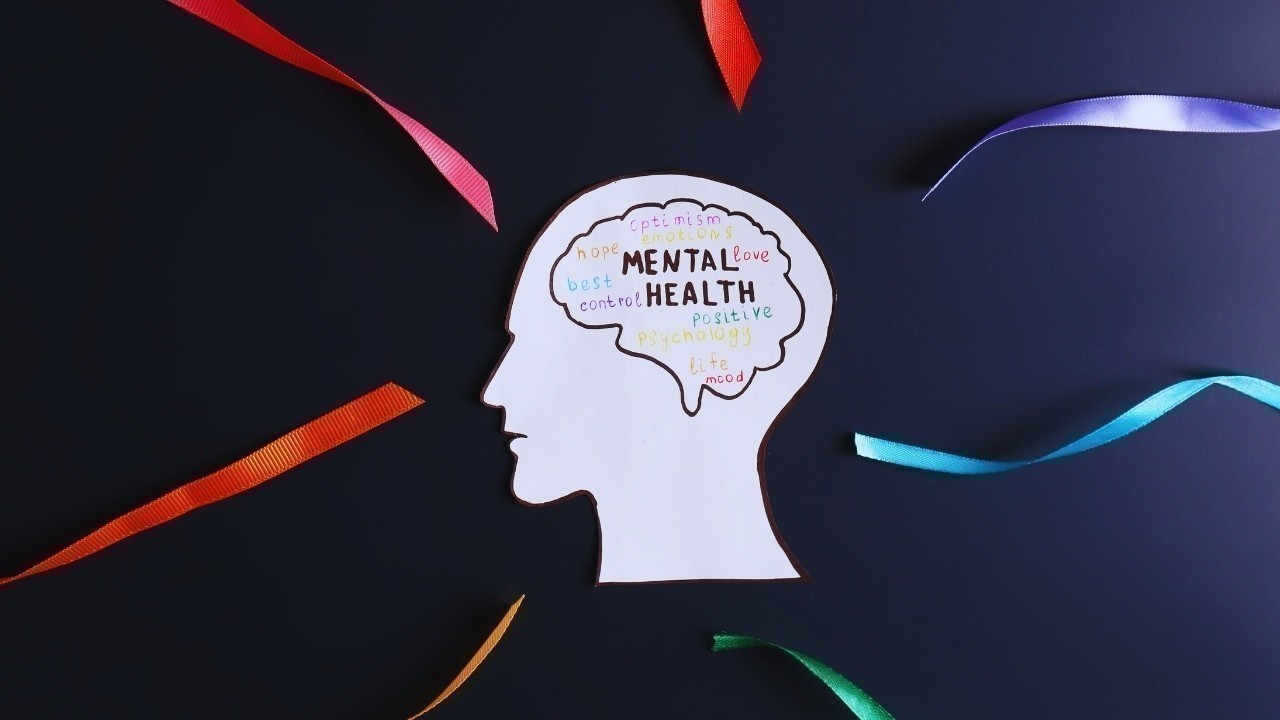
In today’s fast-paced world, mental fitness has become more important than ever. It’s not just about addressing cognitive decline or ageing — it’s about proactively strengthening the brain and mind to think clearly, respond creatively, and remain resilient.
Modern research shows that the brain remains highly adaptable throughout life. This concept, known as neuroplasticity, highlights that it’s never too late to form new habits that enhance memory, focus, and emotional well-being.
This article explores why mental fitness matters, outlines the most effective routines, provides practical guidance for incorporating them into daily life, highlights common pitfalls, and examines how to prepare the brain for future challenges.
Several trends are making mental fitness essential: ageing populations, increasing cognitive demands at work, digital overload, and a growing emphasis on preventive health.
Ageing brains: Longer lifespans mean preserving cognitive function is critical. Physical activity, cognitive engagement, and lifestyle choices all contribute to maintaining mental sharpness.
Work demands and complexity: Many careers now require rapid problem-solving, multitasking, creativity, and adaptability, putting extra pressure on cognitive health.
Digital overload: Constant switching between tasks, processing large amounts of information, and filtering distractions can strain attention, memory, and emotional balance.
Preventive interest: Rather than waiting for cognitive decline, more people are adopting strategies to maintain mental performance and resilience.
Taken together, these factors make mental fitness a foundational aspect of modern life. The question becomes: How can we train our brain effectively, not just our body?
Exercise is one of the most powerful tools for brain health. Regular physical activity improves blood flow, releases growth factors that support neuron formation, and enhances neuroplasticity. Resistance training, dual-task exercises, and leg-focused workouts are particularly effective for stimulating new brain cell growth.
Practical Tip: Aim for moderate aerobic activity several times per week, incorporate strength training, and include exercises that combine movement with mental focus, like walking while memorizing or balancing while describing ideas.
The brain thrives on challenge. Learning new skills, playing complex games, reading diverse material, or tackling unfamiliar tasks helps build cognitive reserve. Activities such as picking up a new language or musical instrument engage multiple brain networks, sharpen memory, and improve adaptability.
Practical Tip: Dedicate 20–30 minutes on multiple days each week to one or more cognitively engaging activities. Focus on consistency and novelty rather than perfection.
Humans are social beings, and meaningful interaction has been linked to better cognitive health and a lower risk of decline. Emotional well-being, including reduced stress, stable mood, and quality sleep, plays a major role in brain function. Practices such as journaling, reflection, and gratitude reinforce this connection.
Practical Tip: Maintain regular social contact, engage in deep conversations, and check in emotionally with yourself and others as part of a mental fitness routine.
Quality sleep is essential for memory consolidation, neural repair, and emotional regulation. Nutrition also plays a critical role — whole foods, plant-rich diets, and low sugar, nutrient-dense meals support cognitive performance.
Practical Tip: Prioritize 7–9 hours of sleep nightly, follow a balanced, brain-supportive diet, and incorporate relaxation and recovery into your routine.
Movement: 150 minutes of moderate aerobic activity weekly plus two resistance sessions.
Cognitive challenge: Practice a new skill or game for 20–30 minutes, 3–5 days per week.
Social/emotional check-ins: Schedule one meaningful interaction daily.
Sleep/nutrition: Maintain a sleep schedule and include 2–3 brain-support meals per week with protein, vegetables, and healthy fats.
Dual-task workouts: Combine mental and physical challenges to stimulate brain growth.
Mind-body practices: Incorporate 10 minutes of mindfulness or meditation daily.
Varied cognitive formats: Engage in reading, puzzles, creative hobbies, and memory games.
Restorative moments: Take nature walks or enjoy hobbies for relaxation.
Track habits through journals or apps.
Reflect monthly on progress and areas for improvement.
Adjust routines based on fatigue, stress, or travel.
Overemphasis on one pillar: Balance is key; no single activity substitutes for a comprehensive routine.
Perfectionism trap: Focus on consistency, not perfection. Missing a day occasionally is normal.
Neglecting recovery: Sleep and rest are essential; without them, benefits diminish.
Ignoring mental/emotional health: Seek support if dealing with stress, anxiety, or isolation.
Age and individual variation: Tailor intensity and activities to personal health, lifestyle, and age.
Wearables and biofeedback: Devices may monitor cognitive patterns alongside physical activity.
Personalized cognitive training: AI-driven programs could tailor exercises based on individual strengths and weaknesses.
Hybrid brain-body interventions: Combining movement, cognition, and feedback technology may become widespread.
Community and gamified platforms: Social and collaborative brain fitness programs are likely to grow.
Workplace initiatives: Employers may increasingly support brain health to improve productivity and resilience.
Pick one anchor habit: Make it non-negotiable, like a daily walk.
Schedule new skills: Allocate fixed times for cognitive activities.
Change environmental cues: Keep books, puzzles, or instruments visible to prompt use.
Link social and growth routines: Learn with friends or join group classes.
Track progress visually: Use a checklist or habit grid for motivation.
Review monthly: Reflect on improvements in focus, emotional stability, and cognitive performance.
Reward effort, not outcomes: Celebrate routine completion rather than perfection.
Be kind to yourself: Skips happen; return to your routine consistently.
Mental fitness in 2025 is a measurable, actionable aspect of daily life. By combining physical activity, cognitive challenges, social engagement, quality sleep, and proper nutrition, you can create a foundation for lifelong brain health.
The future promises advanced tools and personalized programs, but the essential routines remain timeless: move, learn, connect, and rest. Begin today, stay consistent, and your brain will thank you in the years ahead.
This article is for informational purposes only. It summarizes current approaches to brain health and mental fitness and is not a substitute for medical advice. Readers should consult a healthcare professional before starting new routines.

Family Wins “Family of the Year 2026” at Noor Al Quran Event in Ras Al Khaimah
A family honored at the Noor Al Quran initiative in Ras Al Khaimah for Quran memorization and strong

US Approves $16.5B Arms Deal Amid Iran War Escalation
US approves $16.5B arms sale to Gulf allies and $7B to UAE, boosting defence amid Iran tensions whil

UAE Busts Hezbollah-Iran Terror Network, Members Held
UAE authorities have broken a terror network linked to Hezbollah and Iran, arresting members accused

Swiatek Stunned by Linette in Miami Open Upset Shock
Iga Swiatek suffered a shocking defeat to Magda Linette at the Miami Open, marking her first opening

UAE Orphan Fund Raises AED 3.3 Billion in Ramadan Drive
UAE’s Mother of the Nation Orphan Fund raises AED 3.3B in Ramadan, boosting support for education, h

Ramadan in the UAE: Reflections on Humanity, Leadership, and Lasting Values
A heartfelt Ramadan reflection by Osama Regaah on UAE’s spirit of humility, unity, and leadership, a

Dhurandhar 2 Opens Big, Crosses ₹100 Cr on Day 1
Ranveer Singh starrer Dhurandhar 2 earns ₹102 Cr on day one despite delays, beating past Bollywood o


Bank of Baroda Faces Abu Dhabi Legal Battle over NMC Collapse
Bank of Baroda’s involvement in Abu Dhabi litigation tied to the NMC Healthcare collapse raises repu

Top Museum Openings of 2026 Set to Transform Global Tourism
From Los Angeles to Abu Dhabi and Brussels, 2026 brings major museum launches—Lucas Museum, Guggenhe
UAE Tour Highlights UAE’s Strength in Hosting Global Sports Events
Abu Dhabi Sports Council says the successful UAE Tour reflects the UAE’s leading role in hosting maj

EU Seeks Clarity from US After Supreme Court IEEPA Ruling
European Commission urges full transparency from the US on steps after Supreme Court ruling, emphasi

SpaceX Launches 53 New Satellites for Expanding Starlink Network
SpaceX launches 53 Starlink satellites in two Falcon 9 missions, breaking reuse records and expandin

RTA Awards Contract for Phase II of Hessa Street Upgrade in Dubai
Phase II of Hessa Street Development to add bridges, tunnel, and upgraded intersections, doubling ca

UAE Gold Prices Today, Monday 16 February 2026: Dubai & Abu Dhabi Updated Rates
Gold prices in UAE on 16 Feb 2026 updated: 24K around AED 599.75/gm, 22K AED 555.25/gm, and 18K AED

Over 25 Ahmedabad Schools Receive Bomb Threat Email, Authorities Investigate
More than 25 schools in Ahmedabad evacuated after bomb threat emails mentioning Khalistan. Authoriti