Post by : Anis Karim
The age of autonomous systems is no longer a futuristic concept—it is happening now. In 2025, self-driving cars, autonomous trucks, and delivery drones are increasingly part of daily life, reshaping transportation, logistics, and urban infrastructure. These systems promise greater efficiency, improved safety, and new economic opportunities, but they also raise regulatory, ethical, and technological questions.
Autonomous technology combines artificial intelligence, sensors, robotics, and advanced algorithms to perform tasks traditionally managed by humans. The potential impact is enormous, ranging from reducing road accidents to revolutionizing last-mile delivery in cities around the world.
Self-driving cars are perhaps the most visible manifestation of autonomous technology. In 2025, several major automakers and tech companies have launched vehicles capable of partial or fully autonomous driving in controlled environments. These cars use a combination of LiDAR, radar, cameras, and AI to navigate complex urban and highway scenarios.
The benefits are significant. Autonomous cars have the potential to reduce human error—the leading cause of traffic accidents—enhance fuel efficiency, and improve accessibility for individuals unable to drive. Pilot programs in urban areas have demonstrated smoother traffic flow, reduced congestion, and improved commuter experience.
However, full-scale adoption faces challenges. Complex road conditions, unpredictable human behavior, and ethical dilemmas in accident scenarios require robust AI decision-making and extensive regulatory oversight. Governments and industry stakeholders are collaborating to establish safety standards and testing protocols before widespread deployment.
Beyond passenger vehicles, autonomous trucks are transforming logistics. Long-haul trucking represents a substantial portion of global transportation costs, and automation offers the promise of continuous operation, reduced driver fatigue, and optimized fuel consumption. Companies are deploying platooning technology, where multiple autonomous trucks travel in coordinated convoys to enhance efficiency and safety.
Autonomous freight also enables predictive maintenance and real-time route optimization. Sensors monitor vehicle health, while AI algorithms suggest optimal driving speeds and rest periods, reducing downtime and operational costs. As adoption grows, these technologies are expected to reshape supply chains and lower costs for consumers.
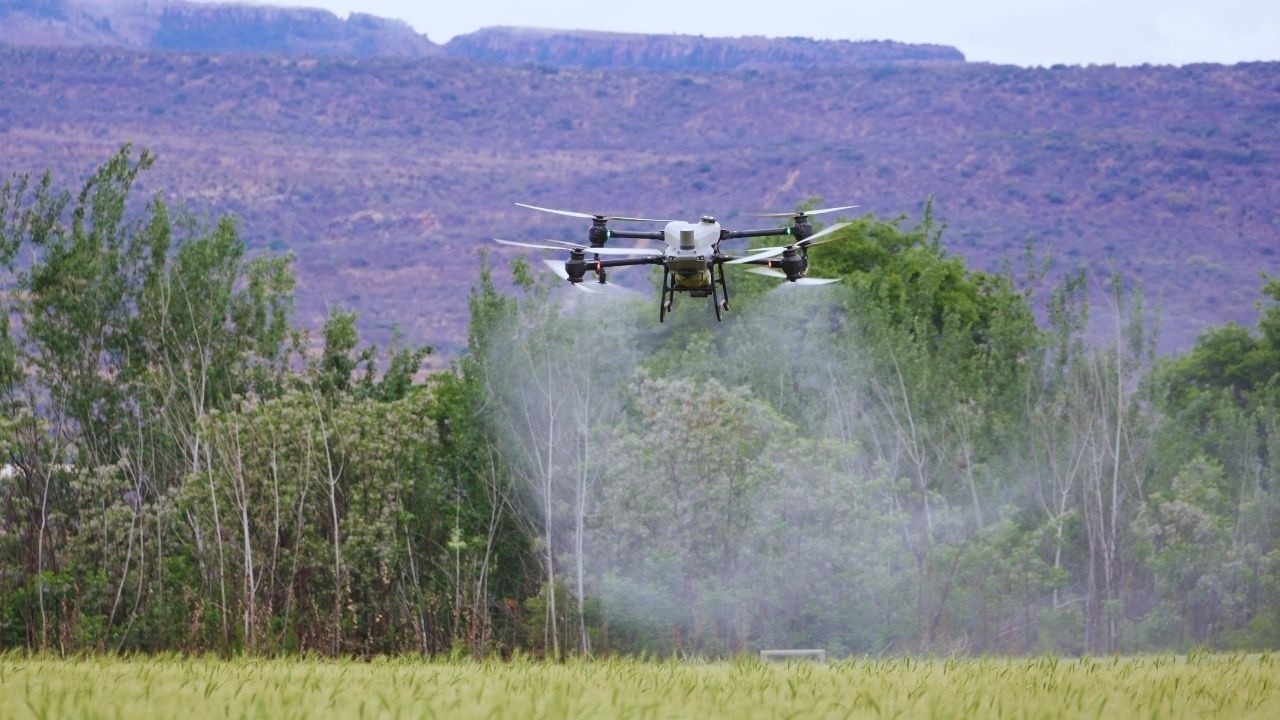
Delivery drones have emerged as a game-changer in urban and rural logistics. In 2025, companies are leveraging drones to deliver packages, medical supplies, and perishable goods directly to consumers. Drones reduce reliance on ground transport, shorten delivery times, and offer solutions in hard-to-reach areas.
Advancements in navigation systems, collision avoidance, and AI-based flight planning have improved drone reliability and safety. Autonomous drones can now dynamically adjust routes in response to weather conditions, airspace restrictions, and traffic patterns. Some companies are also exploring swarm technology, coordinating multiple drones to complete deliveries simultaneously, increasing efficiency.
Autonomous systems are closely linked to the concept of smart cities. Self-driving vehicles and delivery drones are integrated with connected infrastructure, including traffic management systems, smart signals, and IoT-enabled sensors. This connectivity allows for real-time traffic optimization, reduced congestion, and safer urban environments.
Ride-sharing and mobility-as-a-service platforms increasingly rely on autonomous fleets to meet demand efficiently. Passengers can schedule trips through apps, while AI manages fleet deployment to minimize wait times and energy use. Urban planners are incorporating autonomous technology into city designs, prioritizing dedicated lanes, drone landing zones, and sensor networks to support seamless operations.
Autonomous systems raise important ethical and security questions. AI must make decisions in complex, high-stakes scenarios, such as avoiding collisions or prioritizing safety in emergencies. Establishing ethical frameworks and liability standards is essential for responsible deployment.
Cybersecurity is another critical concern. Autonomous vehicles and drones are vulnerable to hacking, data breaches, and software malfunctions. Companies must implement robust security protocols to protect passengers, cargo, and infrastructure. Regulatory bodies are increasingly focused on certification standards, testing procedures, and compliance to ensure safe and secure operations.
Autonomous technology has the potential to reduce environmental impact. Self-driving electric vehicles optimize driving patterns to minimize energy consumption, while autonomous delivery drones reduce reliance on traditional fuel-based delivery trucks. Smart traffic management systems decrease idling time and congestion, further lowering carbon emissions.
However, the production and operation of autonomous systems require careful consideration of energy usage, battery disposal, and manufacturing emissions. Balancing efficiency gains with environmental responsibility is critical for sustainable adoption.
The rise of autonomous systems will reshape the labor market. Driving-related professions, such as taxi drivers, truck operators, and delivery personnel, face disruption, while new roles emerge in AI oversight, maintenance, fleet management, and system development. Workforce reskilling programs are becoming essential to prepare employees for the evolving landscape.
Autonomous systems also create economic opportunities, including reduced logistics costs, faster delivery services, and enhanced mobility solutions. Cities can invest in infrastructure projects that support autonomous technology, stimulating innovation and entrepreneurship.
The next decade promises further integration of autonomous technology into daily life. Vehicles and drones will become increasingly connected, adaptive, and capable of complex decision-making. Integration with AI-driven smart city systems will enhance urban planning, environmental monitoring, and emergency response.
Collaboration between governments, tech companies, and regulatory bodies will be crucial to ensure safe, equitable, and ethical deployment. Standardization of protocols, cross-border regulatory alignment, and public engagement will define the trajectory of autonomous systems globally.
Autonomous systems—from self-driving cars to delivery drones—represent a fundamental shift in transportation and logistics. They promise efficiency, safety, and accessibility, transforming how people and goods move across cities and regions. Yet, their widespread adoption requires careful consideration of ethics, security, and societal impact.
In 2025, autonomous technology is no longer a distant dream but an emerging reality. Embracing these innovations responsibly will redefine mobility, reshape industries, and unlock new possibilities for human convenience and urban development. As automation becomes increasingly intertwined with daily life, the challenge lies in ensuring that progress benefits everyone while maintaining safety, transparency, and sustainability.
This article is intended for informational purposes only. It does not constitute professional, legal, or investment advice. Readers should consult relevant authorities and guidelines regarding autonomous technology, regulatory compliance, and safety protocols.

Winter Skin Care: 10 Hydrating Drinks That Give Natural Glass Skin Glow
Learn how simple winter drinks keep your skin hydrated reduce dryness and support a natural glass sk

10 Songs That Carry the Same Grit and Realness as Banda Kaam Ka by Chaar Diwari
From underground hip hop to introspective rap here are ten songs that carry the same gritty realisti

PPG and JAFZA Launch Major Tree-Planting Drive for Sustainability
PPG teams up with JAFZA to plant 500 native trees, enhancing green spaces, biodiversity, and air qua

Dubai Welcomes Russia’s Largest Plastic Surgery Team
Russia’s largest plastic surgery team launches a new hub at Fayy Health, bringing world-class aesthe

The Art of Negotiation
Negotiation is more than deal making. It is a life skill that shapes business success leadership dec

Hong Kong Dragon Boat Challenge 2026 Makes Global Debut in Dubai
Dubai successfully hosted the world’s first Hong Kong dragon boat races of 2026, blending sport, cul

Ghanem Launches Regulated Fractional Property Ownership in KSA
Ghanem introduces regulated fractional real estate ownership in Saudi Arabia under REGA Sandbox, ena

Winter Skin Care: 10 Hydrating Drinks That Give Natural Glass Skin Glow
Learn how simple winter drinks keep your skin hydrated reduce dryness and support a natural glass sk

Why Drinking Soaked Chia Seeds Water With Lemon and Honey Before Breakfast Matters
Drinking soaked chia seeds water with lemon and honey before breakfast may support digestion hydrati

Morning Walk vs Evening Walk: Which Helps You Lose More Weight?
Morning or evening walk Learn how both help with weight loss and which walking time suits your body

What Really Happens When You Drink Lemon Turmeric Water Daily
Discover what happens to your body when you drink lemon turmeric water daily including digestion imm

DXB News Network Presents “Ctrl+Alt+Wim”, A Bold New Satirical Series Starring Global Entertainer Wim Hoste
DXB News Network premieres Ctrl+Alt+Wim, a bold new satirical micro‑series starring global entertain

High Heart Rate? 10 Common Causes and 10 Natural Ways to Lower It
Learn why heart rate rises and how to lower it naturally with simple habits healthy food calm routin

10 Simple Natural Remedies That Bring Out Your Skin’s Natural Glow
Discover simple natural remedies for glowing skin Easy daily habits clean care and healthy living ti

Mattel Revamps Masters of the Universe Action Figures for Upcoming Film
Mattel is set to revive Masters of the Universe action figures in sync with their new movie, ignitin