Post by : Anis Karim
For many years, air conditioning was simply seen as a hallmark of comfort and modernity. A cool home symbolized status and safety from the heat. However, with extreme weather events becoming more frequent, cooling has transformed into a critical survival mechanism. The implications extend beyond personal comfort—it now links closely with our planet's health.
Every new air conditioning unit contributes to heightened electricity demands. Increased cooling hours significantly ramp up energy consumption. In various regions, this energy still comes from fossil fuels, leading to a cycle where cooling combats heat while simultaneously contributing to increased emissions.
Cooling has transitioned from individual households' choices to an overarching global dilemma.
As temperatures rise, people tend to cool their homes for relief. Yet, cooling systems release heat into the atmosphere and demand electricity often generated from coal and gas. Every degree of indoor temperature reduction adds to an invisible warmth outside.
Urban areas are developing what scientists refer to as "heat islands", with concrete structures absorbing heat and gradually releasing it. When air conditioners expel hot air into already warm streets, urban heat levels escalate even further. This escalates the demand for cooling in an unending cycle.
While individuals seek comfort in their homes, they collectively contribute to elevating urban temperatures.
Though global populations are steadily rising, the demand for electricity is surging at a much quicker pace. Cooling units are increasingly responsible for this elevation. During scorching summers, power grids often falter under record-breaking loads, leading to blackouts and supply shortages right when cooling is crucial.
Air conditioning units don’t merely draw power; they redefine national energy strategies. In response, governments are constructing more power facilities to avert energy crises, inadvertently releasing even more emissions into the atmosphere. The expansion of cooling demands that are met through increased infrastructure also escalates climate risks.
The demand for electricity is relentless, and so is its climatic impact.
Many homes were built with past climate conditions in mind, making them ill-equipped for prolonged heat waves. Traditional designs trap heat, while roofs and walls radiate warmth for extended periods.
In numerous areas, rapid urban development often prioritizes speed over sustainability. Cost-effective housing initiatives sacrifice effective insulation, ventilation, and solar orientation, leaving apartments to act as heat sponges on hot summer afternoons.
When architecture disregards climate considerations, reliance on air conditioning becomes imperative.
Air conditioning systems utilize refrigerants to manage heat exchange. However, leaks in these chemicals can be thousands of times more detrimental to the climate than carbon dioxide. Even minor leaks from millions of units lead to significant environmental harm. The disposal of old air conditioning units often releases these harmful substances directly into the air.
Such impacts are largely invisible to most, yet the atmosphere registers every ounce of damage.
Countries with rising living standards are witnessing a surge in air conditioner sales. Increased economic means enable more households to purchase these cooling devices, particularly in regions facing rapid temperature hikes. This creates a paradox where development intensifies climate pressures.
Authorities now grapple with complex choices: While cooling is essential during heat waves—especially for vulnerable groups—unchecked growth can overwhelm energy infrastructures. The challenge now lies in balancing sustainability, affordability, and life-saving interventions.
Cooling measures have transformed into crucial environmental policies.
The climate crisis impacts individuals unevenly. Wealthier families can afford cooling, while poorer communities endure extreme heat without relief. Many informal settlements lack dependable electricity and insulation, leading to hazardous living conditions.
Heat-related illnesses disproportionately affect those without access to cooling solutions. Migration patterns are reflecting this climate pressure as individuals seek refuge from sweltering regions in cooler locales.
Climate injustice often originates within one’s home.
With increasing summer temperatures, cooling systems are deemed crucial infrastructure. Facilities like hospitals, schools, and elder care centers depend on air conditioning not just for comfort, but for the well-being of their inhabitants. Heat stress can lead to severe health consequences, such as organ failure and dehydration.
In the era of climate change, access to cooling systems is becoming a matter of health rather than luxury.
Heat is no longer merely a seasonal challenge.
It is a medical concern.
Inventors and scientists are working tirelessly to develop more efficient and environmentally friendly cooling technologies. Innovations include intelligent thermostats, solar-powered cooling systems, and alternative refrigerants.
Some modern systems adapt energy use according to room occupancy, leading to reduced consumption. Others can store cooling energy for peak times. While these advancements present hope for the future, their integration is often hindered by high costs.
Technology can assist, but only if made accessible.
Amid policy debates and system redesigns, individual choices still make a difference. Factors such as cooling frequency, temperature settings, and home maintenance practices affect overall energy demand.
Minor adjustments can slow down environmental damage. Enhanced insulation can decrease dependency, and proper natural ventilation can improve comfort without relying solely on cooling. Energy-efficient appliances further lessen energy usage, and shaded windows can keep homes cool from the start.
No home is too small to contribute positively.
Urban planning is undergoing a transformation. Upcoming cities will emphasize airflow, shade, and reflective structures. Public cooling spaces will emerge, akin to parks, while green areas become essential infrastructural elements rather than mere aesthetic additions.
Architectural strategies will shift from opposing climate conditions to harmonizing with them. Towns that refuse to adapt may become uninhabitable heat traps.
Climate change is altering future urban frameworks.
A spike in demand for cooling can lead to fragile energy infrastructures. Power outages disrupt operations in businesses, schools, and transportation systems, with the cost of rebuilding energy grids running into billions. Health services struggle under the weight of heat-related emergencies.
What may seem trivial to neglect today can turn into a pressing financial burden tomorrow.
The climate crisis leaves behind an expense report.
Cooling systems aren't inherently problematic; they are necessities.
However, the manner in which we approach cooling dictates whether we can ensure a livable future. Discussions must evolve from mere comfort considerations to underlying consequences. Understanding energy consumption in homes should form a part of climate education.
Raising awareness is the initial step toward a solution.
Cooling a home is no longer just an escape from heat; it's part of a broader global dialogue on energy, the environment, and social equity. The interconnection between every air conditioner and the planet evokes considerations few people recognize.
The crux isn’t merely about comfort; it’s about whether our comforts can coexist with responsibility.
The climate will provide the answers.
DISCLAIMER
This article serves solely for informational and awareness purposes. It should not replace professional consultations concerning environmental or energy matters. Readers are encouraged to adhere to official climate advice and sustainable building guidelines for home upgrades.

Predictheon Wins WHX Xcelerate Innovation Champion 2026
Predictheon won WHX 2026 Xcelerate, earning US$12,000, WHX 2027 space and global exposure for its AI

Omantel Launches Otech to Drive Oman’s Future Tech Vision
Omantel launches Otech to accelerate Oman’s digital transformation, strengthen data sovereignty, exp

Daimler Truck MEA Honors Top Distributors at EliteClass 2025
Daimler Truck MEA hosted EliteClass Awards 2025 in Dubai, honoring top distributors across 19 catego

King Mohammed VI Launches Safran Landing Gear Plant in Morocco
Morocco strengthens its aerospace leadership as King Mohammed VI launches Safran’s €280M landing gea
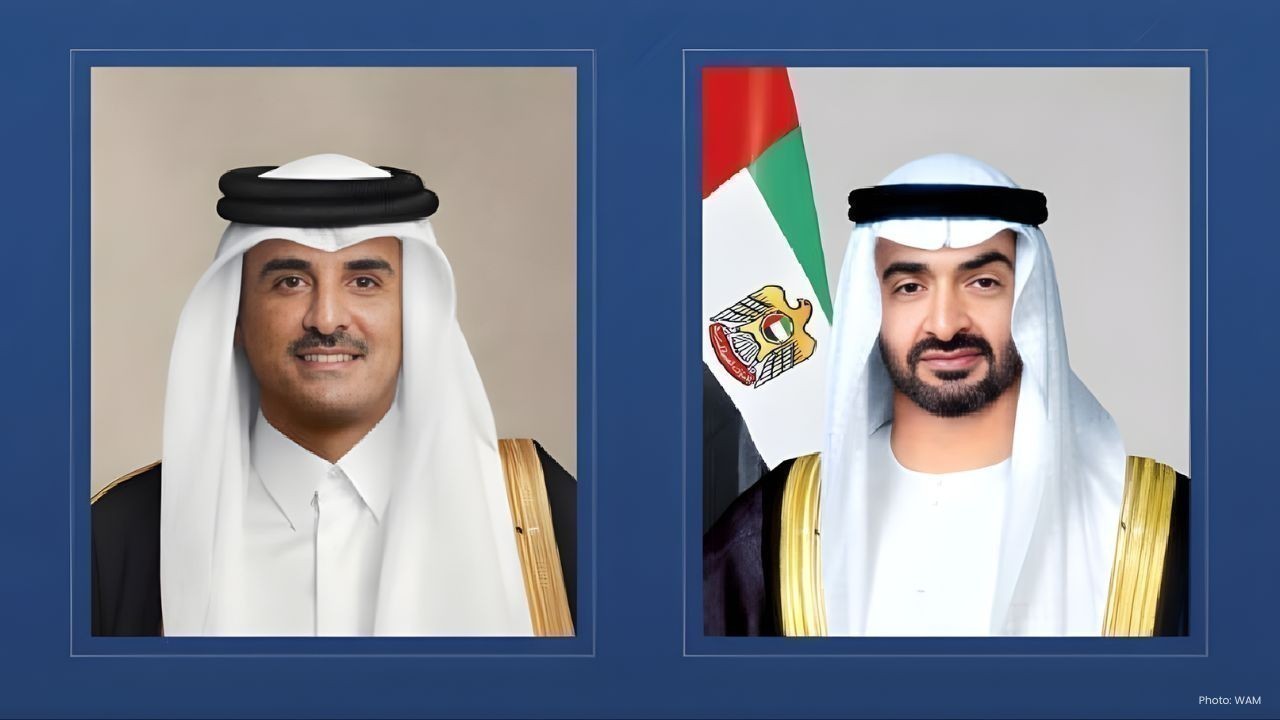
Qatar Emir Sheikh Tamim Arrives in UAE on Fraternal Visit
Qatar’s Emir Sheikh Tamim bin Hamad Al Thani arrived in Abu Dhabi on Saturday. UAE President Sheikh

Shaidorov Wins Stunning Olympic Gold as Malinin Falters
Kazakhstan’s Mikhail Shaidorov won men’s figure skating gold after US star Ilia Malinin fell twice.

Shakira’s 5-Show El Salvador Residency Boosts Bukele Image
Shakira’s five sold-out concerts in San Salvador highlight El Salvador’s security shift under Bukele


Why Drinking Soaked Chia Seeds Water With Lemon and Honey Before Breakfast Matters
Drinking soaked chia seeds water with lemon and honey before breakfast may support digestion hydrati

Morning Walk vs Evening Walk: Which Helps You Lose More Weight?
Morning or evening walk Learn how both help with weight loss and which walking time suits your body

What Really Happens When You Drink Lemon Turmeric Water Daily
Discover what happens to your body when you drink lemon turmeric water daily including digestion imm

DXB News Network Presents “Ctrl+Alt+Wim”, A Bold New Satirical Series Starring Global Entertainer Wim Hoste
DXB News Network premieres Ctrl+Alt+Wim, a bold new satirical micro‑series starring global entertain

High Heart Rate? 10 Common Causes and 10 Natural Ways to Lower It
Learn why heart rate rises and how to lower it naturally with simple habits healthy food calm routin

10 Simple Natural Remedies That Bring Out Your Skin’s Natural Glow
Discover simple natural remedies for glowing skin Easy daily habits clean care and healthy living ti

Mattel Revamps Masters of the Universe Action Figures for Upcoming Film
Mattel is set to revive Masters of the Universe action figures in sync with their new movie, ignitin

China Executes 11 Members of Infamous Ming Family Behind Myanmar Scam Operations
China has executed 11 Ming family members, linked to extensive scams and gambling in Myanmar, causin