Post by : Anis Karim
The aviation industry has long been synonymous with precision, timing, and human expertise. Yet, in 2025, one of its biggest challenges isn’t turbulence or technology—it’s the widening staffing gap among pilots and dispatchers. Global airlines, both commercial and cargo, are facing critical shortages that threaten operational stability.
To mitigate these pressures, aviation companies are increasingly relying on artificial intelligence (AI) and decision support systems (DSS). These technologies don’t replace human judgment but rather augment it—offering predictive insights, data-driven scheduling, and real-time operational support.
In an industry where every second counts and every decision affects passenger safety and profitability, AI has quietly become the most reliable co-pilot on the ground and in the cockpit.
The post-pandemic rebound in air travel has created a demand surge far outpacing the supply of trained pilots. Retirements, training delays, and career transitions during the pandemic years have all contributed to a deficit that experts estimate could reach 80,000 pilots globally by 2030.
Flight dispatchers—responsible for route planning, weather assessment, and fuel management—are facing similar shortages. As a result, airlines are being forced to manage leaner operations while ensuring absolute adherence to safety and compliance protocols.
This is where AI steps in—not as a replacement for skilled professionals, but as a cognitive companion that handles the overwhelming data load, allowing human experts to focus on critical judgment calls.
AI-based decision support systems are essentially intelligent platforms that integrate vast streams of aviation data—from weather forecasts and radar updates to maintenance logs and crew rosters. These systems process the information in real time, flagging potential risks or recommending optimal solutions.
For example:
Flight Route Optimization: AI models analyze real-time weather, air traffic, and fuel efficiency data to generate the safest, most economical routes.
Predictive Maintenance: Machine learning predicts potential equipment failures before they occur, reducing delays and cancellations.
Crew Scheduling: AI tools analyze fatigue data, roster constraints, and flight legality rules to create balanced, efficient schedules.
These capabilities allow dispatchers to make faster, data-backed decisions while pilots receive concise, actionable insights directly in their flight management systems.
Dispatchers traditionally juggle multiple dynamic factors—weather volatility, airspace congestion, and crew legality—all in real time. Today’s AI-driven dispatch platforms automate much of this complexity.
Modern DSS tools use machine learning to evaluate millions of flight pattern permutations within seconds. They simulate scenarios—such as storm diversions or unexpected maintenance—to present optimal rerouting solutions.
By automating these decision trees, dispatchers gain clarity and bandwidth to handle exceptions, improving overall flight safety and operational consistency.
Predictive analytics has become one of AI’s strongest contributions to aviation. It enables the system to forecast potential disruptions—be it weather anomalies, fuel inefficiencies, or crew fatigue—well before they affect the operation.
These predictive insights are then displayed through intuitive dashboards used by both pilots and dispatchers. The AI essentially acts as an early warning system, allowing proactive adjustments rather than reactive responses.
For instance, airlines using predictive analytics have reported up to 12% fewer flight delays and 18% lower operational costs, primarily due to early intervention enabled by AI.
Despite popular fears, AI is not taking over cockpits or dispatch offices—it’s enhancing them. The core philosophy behind aviation AI is augmentation, not automation.
Pilots and dispatchers still make final decisions, but AI ensures they have the best possible information to do so. It cross-references weather models, aircraft diagnostics, and regulatory data in seconds—something impossible for any human alone.
The result is a smoother collaboration:
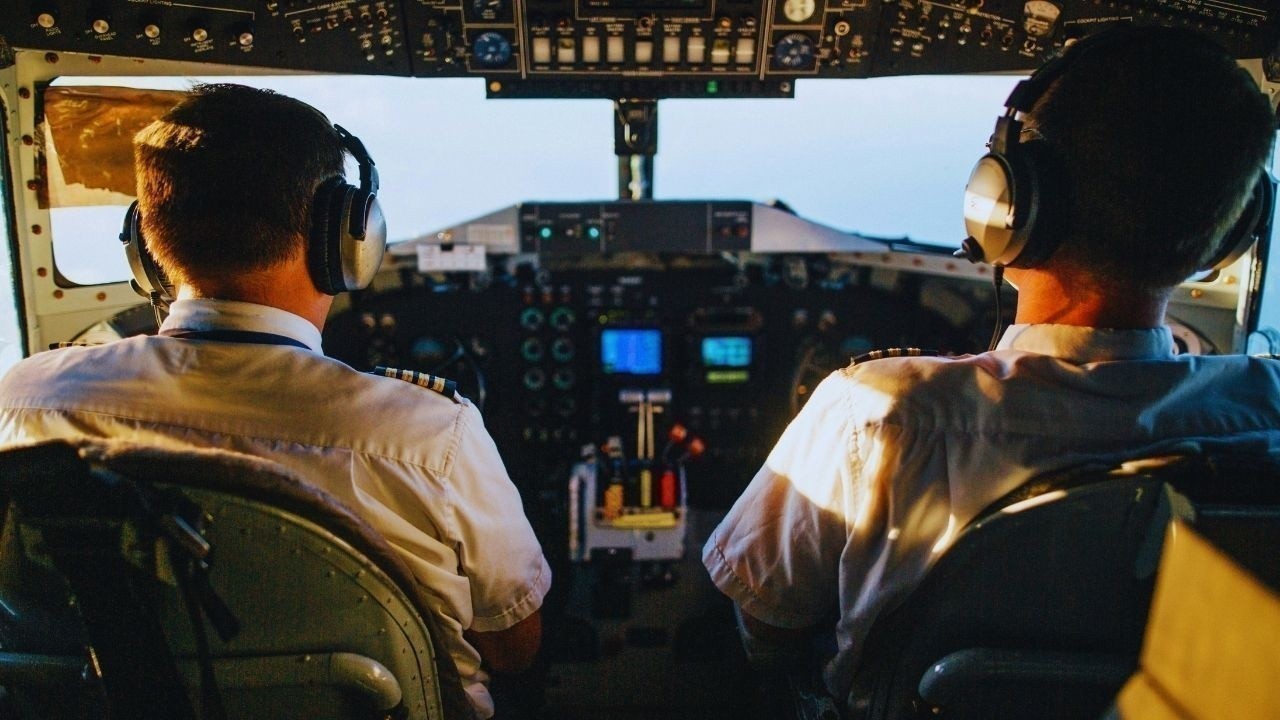
Pilots rely on AI for situational awareness and adaptive route recommendations.
Dispatchers use AI dashboards for workload prioritization and operational forecasting.
The human remains the ultimate decision-maker, while AI ensures that decision is made with clarity and context.
A major benefit of AI-driven systems is their ability to alleviate the administrative burden that leads to fatigue. Both pilots and dispatchers face cognitive overload due to repetitive manual tasks—such as cross-verifying flight logs or recalculating fuel burn during route changes.
AI automates these processes, providing synthesized summaries rather than raw data dumps. This allows professionals to maintain focus on critical thinking tasks while reducing burnout—a growing concern amid global staffing gaps.
Furthermore, integrated fatigue-tracking systems analyze sleep patterns, duty hours, and environmental factors, alerting management to potential fatigue-related risks before they impact safety.
AI’s role extends beyond airlines to air traffic control (ATC) and national aviation authorities. AI-powered traffic flow management systems are optimizing airspace usage by predicting congestion and rerouting flights dynamically.
This interconnectedness allows pilots and dispatchers to receive real-time updates from ATC systems that were once isolated silos. The result is a synchronized, data-sharing ecosystem where every party—from cockpit to control tower—operates in harmony.
As global skies grow busier, this AI coordination becomes essential to managing capacity without compromising safety or efficiency.
Unlike commercial AI systems, aviation-grade AI must adhere to rigorous safety and ethical standards. Each algorithm undergoes extensive testing using historical flight data, simulated anomalies, and live validation.
Moreover, these systems are designed to explain their recommendations—what experts call explainable AI. This ensures that pilots and dispatchers understand the rationale behind every AI suggestion before acting on it.
Transparency is key: AI cannot function as a “black box” in aviation. It must complement the regulatory environment’s demand for traceability, accountability, and human oversight.
Several major airlines have already implemented AI-driven decision support systems with measurable results:
Delta Air Lines has deployed predictive maintenance algorithms that cut unplanned ground time by 15%.
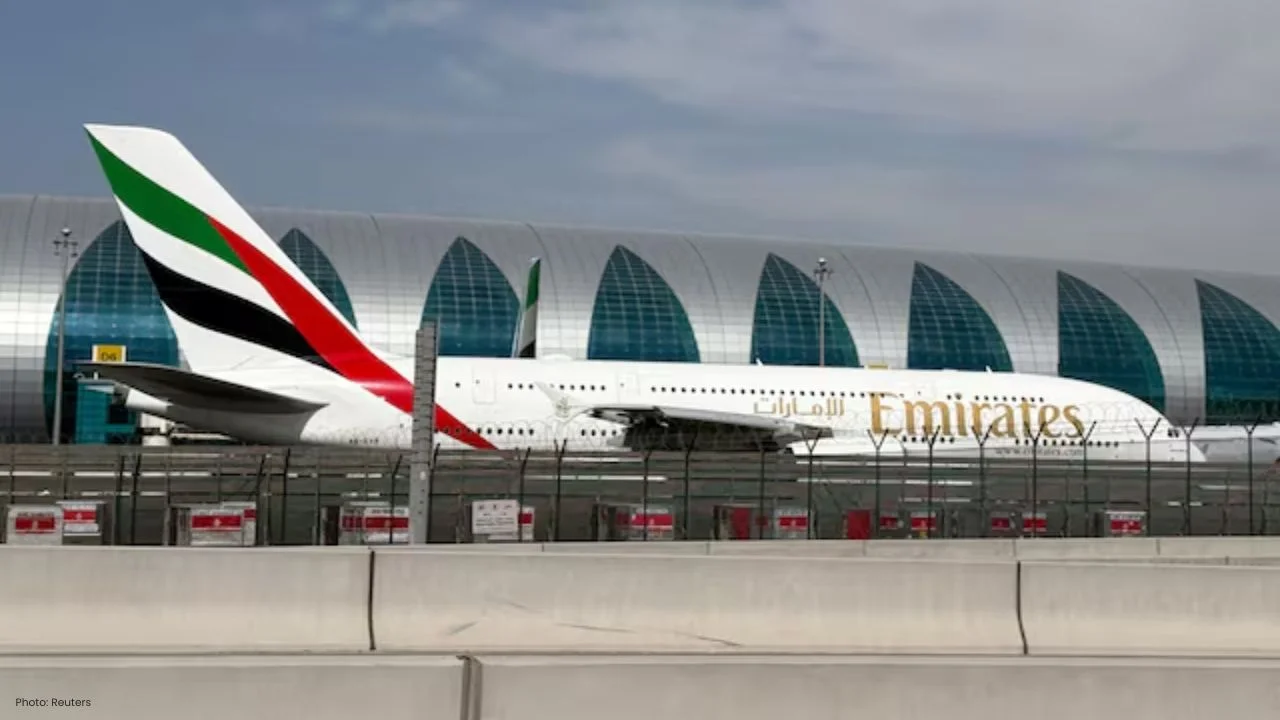
Emirates uses AI for crew pairing optimization, aligning pilot rest cycles with long-haul schedules to reduce fatigue.
Singapore Airlines integrates AI into its dispatch network, enhancing real-time communication between dispatchers and cockpit crews.
These implementations show that AI’s benefits go far beyond automation—they redefine how entire airline ecosystems function.
When disruptions occur—volcanic eruptions, sudden weather fronts, or airport closures—AI-based DSS systems shine brightest. They process live radar data and rerouting options in seconds, ensuring continuity of service and passenger safety.
During recent typhoon disruptions in Southeast Asia, several carriers credited AI dispatch systems with reducing diversion-related costs by nearly 20%. Such adaptability is critical in an industry where unexpected disruptions are inevitable.
In modern cockpits, AI has evolved beyond autopilot. Today’s systems offer adaptive flight assistance—providing pilots with real-time suggestions based on live data inputs.
For example, if turbulence or wind shifts occur, the system recalculates altitude and trajectory to maintain optimal safety and fuel efficiency. The pilot remains in control but benefits from AI’s computational foresight.
This hybrid model enhances situational awareness while preserving human authority—striking the balance aviation ethics demand.
Another emerging solution lies in AI-powered simulation and training. Machine learning platforms now personalize training modules for pilots and dispatchers, identifying skill gaps and simulating rare emergency scenarios safely.
This accelerates learning cycles and ensures faster readiness for newly recruited professionals—vital at a time when the industry is under immense staffing pressure.
AI can even simulate entire flight dispatch operations, giving trainees real-time exposure to decision-making complexity before handling live routes.
By minimizing fuel wastage, reducing maintenance downtime, and preventing delays, AI decision systems are generating significant economic value. According to a 2025 aviation technology survey, airlines using AI-driven DSS report average annual savings of $1.2 million per aircraft due to enhanced operational efficiency.
These systems also support sustainability goals by reducing carbon emissions through optimized routing—a crucial factor as global regulations tighten on environmental accountability.
Despite remarkable progress, experts caution against overreliance on AI. Systems are only as good as their data inputs, and unanticipated scenarios can still confound even the best algorithms.
Moreover, maintaining pilot and dispatcher skills remains essential. Overdependence on automation can erode manual proficiency—a phenomenon the aviation community has seen before.
Hence, global regulators like the FAA and EASA emphasize the principle of supervised autonomy—ensuring humans stay firmly in the loop while leveraging AI as a trusted assistant.
The future of aviation lies not in man versus machine but in man with machine. The coming years will see AI integrating deeper into cockpit avionics, dispatch consoles, and air traffic infrastructure.
Advanced cognitive systems will soon anticipate pilot intent, streamline communication, and even simulate flight plans autonomously before clearance.
For an industry that prizes both precision and preparedness, AI’s partnership with humans may well define the next golden era of aviation safety and reliability.
This article is for informational and analytical purposes only. It does not represent official aviation policy or substitute for regulatory guidance. Readers should refer to certified aviation authorities for professional directives and compliance standards.

US Judge Orders Penn to Share Data in Bias Probe
A US judge ordered Penn to share employee records in an antisemitism probe, while protecting religio

California Governor Race Turns Chaotic Before Voting
California’s governor race grows chaotic as Democrats face internal divisions, voter uncertainty, an

New York City Ends TikTok Ban For Official Use Again
New York City lifts its TikTok ban, allowing agencies to post again under strict security rules to i

Iraq Qualify for World Cup After 40 Years With 2-1 Win
Iraq secured a historic World Cup spot after defeating Bolivia 2-1 in playoffs, marking their return

Creative Lab Hosts Spring Media Workshops for Youth
Creative Lab hosted spring workshops in Abu Dhabi, training young students in storytelling, scriptwr

China’s Strategy in Asia 2026: Threat or Opportunity for Global Trade?
Explore China’s new strategy in Asia, its impact on global trade, Belt and Road Initiative, economic

UAE Issues Alert for Rough Seas, Strong Winds Till Apr 3
UAE weather authority warns of rough seas, 40 km/h winds, and rain until April 3, with possible heav


Bank of Baroda Faces Abu Dhabi Legal Battle over NMC Collapse
Bank of Baroda’s involvement in Abu Dhabi litigation tied to the NMC Healthcare collapse raises repu

Top Museum Openings of 2026 Set to Transform Global Tourism
From Los Angeles to Abu Dhabi and Brussels, 2026 brings major museum launches—Lucas Museum, Guggenhe

UAE Tour Highlights UAE’s Strength in Hosting Global Sports Events
Abu Dhabi Sports Council says the successful UAE Tour reflects the UAE’s leading role in hosting maj

EU Seeks Clarity from US After Supreme Court IEEPA Ruling
European Commission urges full transparency from the US on steps after Supreme Court ruling, emphasi
SpaceX Launches 53 New Satellites for Expanding Starlink Network
SpaceX launches 53 Starlink satellites in two Falcon 9 missions, breaking reuse records and expandin

RTA Awards Contract for Phase II of Hessa Street Upgrade in Dubai
Phase II of Hessa Street Development to add bridges, tunnel, and upgraded intersections, doubling ca

UAE Gold Prices Today, Monday 16 February 2026: Dubai & Abu Dhabi Updated Rates
Gold prices in UAE on 16 Feb 2026 updated: 24K around AED 599.75/gm, 22K AED 555.25/gm, and 18K AED

Over 25 Ahmedabad Schools Receive Bomb Threat Email, Authorities Investigate
More than 25 schools in Ahmedabad evacuated after bomb threat emails mentioning Khalistan. Authoriti