Post by : Anis Karim
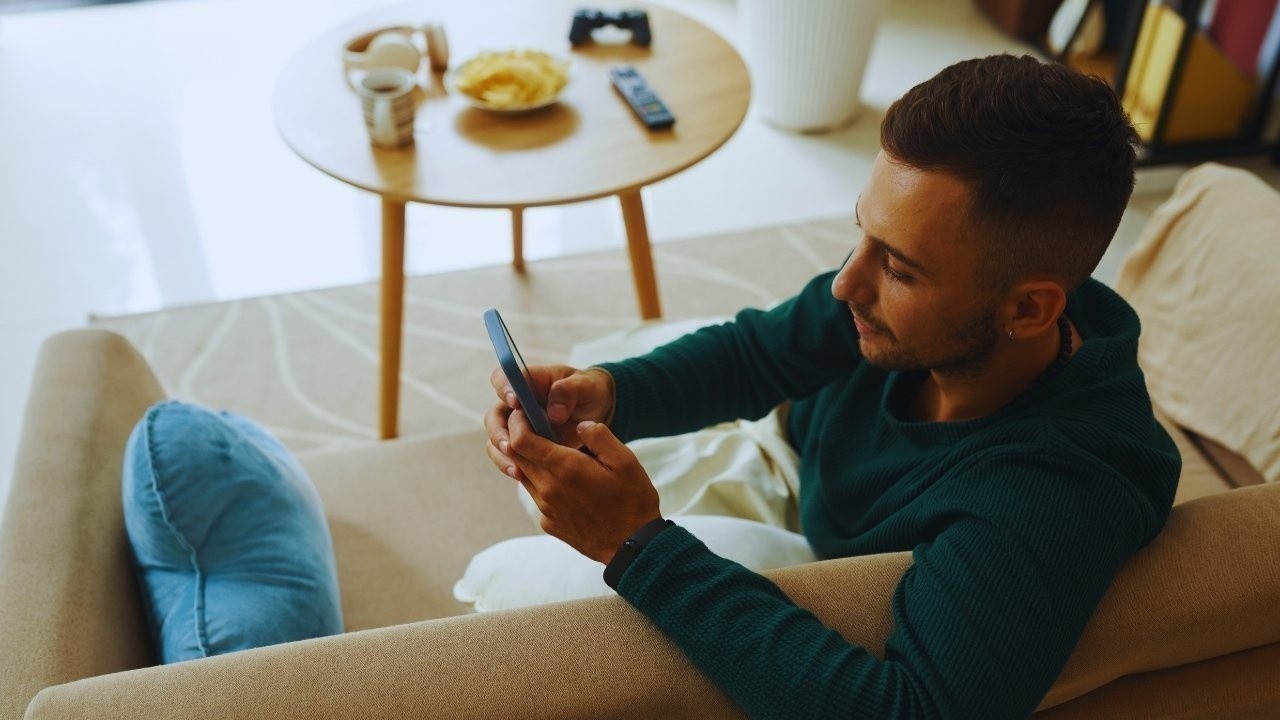
Our phones promised convenience, connection, and comfort. Instead, many of us now wake up to news overload, scroll through arguments we didn’t start, and end the day staring at screens that leave us strangely exhausted. It’s not that we dislike being online — but the constant flood of content, alerts, opinions, and emotional triggers chips away at our energy, attention, and mood.
Doomscrolling has quietly become one of the most common habits of modern life. It is the reflex of seeking negative or alarming content, scrolling endlessly even when it doesn't feel good. The mind thinks it is staying informed; in truth, it is staying anxious.
This 21-day challenge isn't about deleting social media or abandoning technology. Screens are part of modern life. Instead, it focuses on helping you reclaim your mind, mornings, and energy — with realistic routines that fit a busy lifestyle.
No extreme rules. No guilt. Just simple, practical, everyday steps to create a healthier digital life and enjoy real sunlight again.
Doomscrolling affects how the brain functions. Constant exposure to negative news and fast-paced content heightens stress hormones, confuses reward pathways, and reduces focus. It often leads to:
Sleep disruption
Anxiety spikes
Restlessness and irritability
Difficulty concentrating
Reduced motivation
Sensory fatigue
It’s not just about time wasted — it’s mental energy lost. And the hardest part? Doomscrolling feels automatic. That’s why this challenge focuses on rewiring habits, not enforcing bans.
Your brain loves rewards. Every swipe and update can feel like a tiny thrill. But habits form through repetition, not force. So instead of removing stimulation abruptly, this challenge gently replaces digital impulses with healthier alternatives — daylight, movement, breathwork, and real-world routines that wake up the mind.
The turning point comes when you notice how calm, clear, and capable you feel without constant scrolling.
This is not self-control. It’s habit design.
These are not strict rules — they are realistic guidelines:
No phone for the first 60 minutes after waking up
10 minutes of natural light exposure daily
15–20 minutes of movement (walk, stretch, yoga — anything)
Phone parked in a separate room/spot during meals
One hour of screen-free wind-down before sleep
Replace idle scrolling with one grounding habit (reading, journaling, breathing, hobbies)
And most importantly — if you slip up, restart immediately. Progress, not perfection.
Goal: Break autopilot scrolling and stabilise your body clock.
Phone face down across the room at night
Wake up, drink water, get 10 minutes of sunlight
No news apps for one hour
Write a small list for the day instead of browsing
This isn’t about productivity. It’s about grounding.
Swap your first scroll with:
5 minutes of stretching or breathing
Light reading
Music or silence
Making your bed
The body feels safe when mornings are gentle.
No screens 60 minutes before bed
Dim lights, stretch, journal, or meditate
Choose tomorrow’s first task
Sleep quality improves quickly when screens stop dominating the last hour.
Goal: Build energy, reduce phone reflexes, and reconnect with the physical world.
Two 10-minute walks a day
Leave phone in pocket — no aimless swiping
Observe surroundings, sounds, and movement
This is digital grounding in motion.
Whenever you reach for the phone mindlessly, ask:
What do I want? (escape, boredom, stimulation, news)
Will this scroll help?
What else can I do right now?
Awareness breaks reflexes.
Add one real-world joy daily:
Watering plants
Light cooking
Reading
Music
Stretching
Calling a friend instead of consuming feeds
Attention grows where joy lives.
Goal: Make your phone a tool, not a trap.
Remove apps from home page
Keep only essentials
Turn off non-critical notifications
Use folders to hide endless apps
Calm screen, calm mind.
Before opening any app, pause and ask:
Why am I opening this?
What outcome do I expect?
How long will I stay?
Set a purpose before tapping.
Limit daily news intake to:
One trusted source
10 minutes maximum
Daytime only
Fear doesn’t need to be a morning companion.
Pause and celebrate:
Better mornings?
Deeper sleep?
Sharper focus?
More calm?
Less “noise” in the mind?
More daylight and movement?
Reward yourself — a slow breakfast, a book, extra sleep, a spa day, or simply a peaceful walk. You’ve built a healthier rhythm.
By the end of 21 days, most people notice:
Lighter mornings
Reduced anxiety
Clearer thoughts
Improved sleep
Better mood stability
Stronger focus
More energy to do real-world tasks
Higher patience and emotional balance
The biggest shift isn’t screen time reduction — it’s presence.
When the world outside the phone becomes richer, the urge to scroll automatically fades.
Once the 21 days end, keep these habits:
Mornings without phones
Outdoors and sunlight daily
Phone boundaries during meals
Screens off one hour before bed
Intentional app use, not reflex browsing
Slow weekends — not scroll weekends
This challenge isn’t a phase — it’s a foundation.
You didn’t just stop doomscrolling. You reclaimed your mornings, your mood, and your mind.
Doomscrolling isn’t a flaw — it’s a coping mechanism in an overstimulated world. But life feels fuller when attention returns to real daylight, real breath, real movement, real experiences, and real conversations.
Choose sunlight over scroll.
Choose calm over chaos.
Choose awareness over auto-pilot.
One day at a time — and today is day one.
This content is for information and awareness purposes only and should not be considered medical advice. If you experience persistent anxiety, sleep issues, or emotional distress, consult a qualified mental health professional.

Deadly Factory Fire in Daejeon Kills 11, Several Missing
A massive fire at an auto parts factory in Daejeon, South Korea, has killed 11 people, injured 59, a
Sanofi Opens Innovation Centre in Chengdu China
Sanofi opens its first China Innovation Centre in Chengdu, boosting R&D, clinical trials, and supply

Jordan, Egypt Condemn Terror Plot Targeting UAE
Jordan and Egypt strongly condemn a terror plot targeting the UAE’s economy, reaffirming support for

Elon Musk Found Liable in Twitter Investor Case
A US jury found Elon Musk liable for misleading Twitter investors in 2022 deal, awarding up to $2.1

BTS Comeback Concert Draws 260K Fans in Seoul
BTS holds a mega comeback concert in Seoul with 260,000 fans, marking their first album in 3 years a

UAE DMT Prepares for Weather Alert March 21–27
Abu Dhabi’s DMT activates emergency plans, deploys teams, and urges public caution as unstable weath

Dubai Property Market Faces War-Driven Slowdown
Dubai’s real estate market shows early slowdown as Iran war impacts investor confidence, with fallin


Bank of Baroda Faces Abu Dhabi Legal Battle over NMC Collapse
Bank of Baroda’s involvement in Abu Dhabi litigation tied to the NMC Healthcare collapse raises repu

Top Museum Openings of 2026 Set to Transform Global Tourism
From Los Angeles to Abu Dhabi and Brussels, 2026 brings major museum launches—Lucas Museum, Guggenhe

UAE Tour Highlights UAE’s Strength in Hosting Global Sports Events
Abu Dhabi Sports Council says the successful UAE Tour reflects the UAE’s leading role in hosting maj

EU Seeks Clarity from US After Supreme Court IEEPA Ruling
European Commission urges full transparency from the US on steps after Supreme Court ruling, emphasi

SpaceX Launches 53 New Satellites for Expanding Starlink Network
SpaceX launches 53 Starlink satellites in two Falcon 9 missions, breaking reuse records and expandin

RTA Awards Contract for Phase II of Hessa Street Upgrade in Dubai
Phase II of Hessa Street Development to add bridges, tunnel, and upgraded intersections, doubling ca

UAE Gold Prices Today, Monday 16 February 2026: Dubai & Abu Dhabi Updated Rates
Gold prices in UAE on 16 Feb 2026 updated: 24K around AED 599.75/gm, 22K AED 555.25/gm, and 18K AED

Over 25 Ahmedabad Schools Receive Bomb Threat Email, Authorities Investigate
More than 25 schools in Ahmedabad evacuated after bomb threat emails mentioning Khalistan. Authoriti