Post by : Sam Jeet Rahman
Recovery is not just about resting after a workout or sleeping longer on weekends. Recovery is the body’s ability to repair, rebalance, and restore itself after physical, mental, and emotional stress. When recovery is poor, the body gives clear warning signals long before serious illness, injury, or burnout appears. Unfortunately, many people ignore these signs, assuming tiredness or discomfort is normal.
In today’s fast-paced lifestyle, poor recovery is becoming common even among people who don’t exercise heavily. Long work hours, high stress, irregular meals, screen exposure, and poor sleep all affect how well the body recovers. This article explains the physical signs that indicate poor recovery, why they occur, and why paying attention early can prevent long-term health issues.
Recovery is not limited to muscles. It involves:
Nervous system recovery
Hormonal balance
Immune system repair
Tissue and joint healing
Mental and emotional reset
When recovery is inadequate, the body remains in a constant stress state, preventing proper repair. Over time, this leads to visible physical symptoms.
One of the earliest and most common signs of poor recovery is ongoing fatigue.
Waking up tired despite sufficient sleep
Feeling drained by small tasks
Needing excessive caffeine to function
Energy crashes during the day
This fatigue is different from normal tiredness. It does not improve with a day off or extra sleep because the body never fully enters a restorative state.
Overactive stress hormones
Poor sleep quality
Inadequate nutrient replenishment
Nervous system overload
Fatigue is often the body’s first warning that recovery systems are overwhelmed.
Muscle soreness is normal after physical activity, but persistent soreness is not.
Soreness lasting more than 72 hours
Muscles feeling heavy or weak
Reduced strength despite regular training
Increased injury risk
This indicates that muscle tissue is not repairing properly between stress cycles.
Insufficient protein intake
Lack of deep sleep
Chronic inflammation
Excess training or physical strain
Poor muscle recovery increases the risk of strains, tears, and joint stress.
When recovery is poor, the body struggles to control inflammation.
Stiff neck and shoulders
Lower back discomfort
Knee or ankle pain without injury
Joint tightness in the morning
These symptoms often appear even in people who are not physically active.
Inflammation remains elevated
Connective tissue repair slows
Reduced circulation to joints
Chronic low-grade inflammation is a major sign of recovery imbalance.
Sleep is the most powerful recovery tool, yet poor recovery often disrupts sleep itself.
Difficulty falling asleep despite exhaustion
Frequent nighttime awakenings
Waking up tense or sore
Feeling mentally foggy in the morning
This creates a vicious cycle where poor recovery worsens sleep, and poor sleep further blocks recovery.
Elevated cortisol at night
Suppressed melatonin release
Nervous system hyperactivity
When the body cannot downshift, repair processes remain incomplete.
A strong immune system depends on effective recovery.
Catching colds frequently
Infections taking longer to heal
Lingering coughs or fatigue after illness
Slow wound healing
Poor recovery weakens immune defenses, making the body more vulnerable.
Energy diverted to stress response
Reduced production of immune cells
Inflammatory overload
Repeated illness is often mistaken as “low immunity” when the real issue is recovery failure.
The digestive system is highly sensitive to stress and recovery status.
Bloating or discomfort
Irregular bowel movements
Reduced appetite or constant cravings
Acid reflux or indigestion
When recovery is compromised, digestion becomes inefficient.
Reduced blood flow to digestion
Altered gut motility
Poor nutrient absorption
This leads to nutrient deficiencies that further slow recovery.
Your heart provides valuable recovery information.
Higher resting heart rate than usual
Heart rate taking longer to return to normal after activity
Feeling breathless during mild exertion
These signs indicate the nervous system is under constant load.
Sympathetic nervous system dominance
Poor cardiovascular recovery
Increased stress hormone activity
Tracking resting heart rate trends can reveal early recovery problems.
Recovery affects emotional regulation as much as physical repair.
Irritability
Low motivation
Feeling overwhelmed easily
Reduced tolerance to stress
Mood shifts often appear before physical breakdown.
Cortisol imbalance
Reduced serotonin and dopamine
Poor nervous system recovery
Emotional fatigue is a physical signal, not a character flaw.
When recovery is poor, performance declines despite effort.
Declining strength or endurance
Slower reaction time
Poor coordination
Reduced flexibility
This applies not only to athletes but also to daily physical tasks.
Muscle repair incomplete
Nervous system fatigue
Energy production inefficiency
Pushing harder during this phase worsens the problem.
External appearance often reflects internal recovery health.
Dull or dry skin
Increased hair fall
Brittle nails
Slow skin healing
The body prioritizes vital organs during stress, reducing resources for hair and skin.
Poor recovery lowers pain tolerance.
Normal activities feeling painful
Increased headaches
Muscle tenderness
Heightened discomfort from minor strain
This is linked to nervous system sensitization caused by chronic stress.
Recovery issues disrupt metabolic balance.
Strong sugar or caffeine cravings
Energy crashes
Feeling shaky between meals
Irritability when hungry
These are signs the body is struggling to maintain stable energy.
Unchecked poor recovery can lead to:
Chronic fatigue syndrome
Hormonal disorders
Autoimmune issues
Burnout and mental health decline
Long-term musculoskeletal injuries
Early recognition prevents serious consequences.
Regular sleep timing restores hormonal balance.
Mental stress impacts physical recovery equally.
Adequate protein, hydration, and micronutrients support repair.
Rest is productive, not lazy.
Pain and fatigue are signals, not obstacles.
Consult a healthcare professional if:
Symptoms persist for several months
Fatigue worsens despite rest
Pain appears without clear cause
Sleep problems become chronic
Early evaluation leads to faster recovery.
Your body constantly communicates its recovery status. Ignoring physical signs does not build resilience—it builds damage. Fatigue, pain, sleep disruption, and emotional instability are not normal states to push through. They are indicators that recovery systems need attention.
Restoring recovery restores energy, clarity, strength, and long-term health.
This article is for informational and educational purposes only and does not constitute medical advice. Physical symptoms of poor recovery can vary depending on individual health conditions, lifestyle, and stress levels. If symptoms persist or worsen, consult a qualified healthcare professional for proper diagnosis and guidance.

Family Wins “Family of the Year 2026” at Noor Al Quran Event in Ras Al Khaimah
A family honored at the Noor Al Quran initiative in Ras Al Khaimah for Quran memorization and strong

US Approves $16.5B Arms Deal Amid Iran War Escalation
US approves $16.5B arms sale to Gulf allies and $7B to UAE, boosting defence amid Iran tensions whil
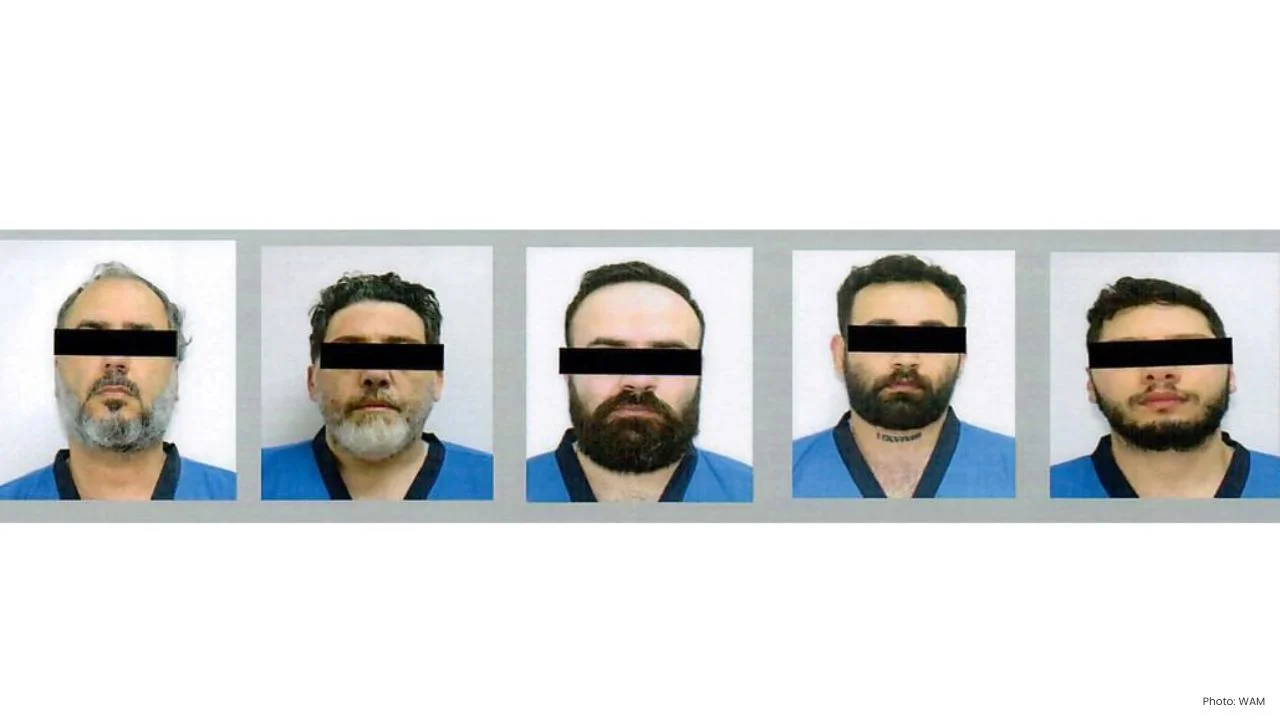
UAE Busts Hezbollah-Iran Terror Network, Members Held
UAE authorities have broken a terror network linked to Hezbollah and Iran, arresting members accused

Swiatek Stunned by Linette in Miami Open Upset Shock
Iga Swiatek suffered a shocking defeat to Magda Linette at the Miami Open, marking her first opening

UAE Orphan Fund Raises AED 3.3 Billion in Ramadan Drive
UAE’s Mother of the Nation Orphan Fund raises AED 3.3B in Ramadan, boosting support for education, h

Ramadan in the UAE: Reflections on Humanity, Leadership, and Lasting Values
A heartfelt Ramadan reflection by Osama Regaah on UAE’s spirit of humility, unity, and leadership, a

Dhurandhar 2 Opens Big, Crosses ₹100 Cr on Day 1
Ranveer Singh starrer Dhurandhar 2 earns ₹102 Cr on day one despite delays, beating past Bollywood o


Bank of Baroda Faces Abu Dhabi Legal Battle over NMC Collapse
Bank of Baroda’s involvement in Abu Dhabi litigation tied to the NMC Healthcare collapse raises repu

Top Museum Openings of 2026 Set to Transform Global Tourism
From Los Angeles to Abu Dhabi and Brussels, 2026 brings major museum launches—Lucas Museum, Guggenhe

UAE Tour Highlights UAE’s Strength in Hosting Global Sports Events
Abu Dhabi Sports Council says the successful UAE Tour reflects the UAE’s leading role in hosting maj

EU Seeks Clarity from US After Supreme Court IEEPA Ruling
European Commission urges full transparency from the US on steps after Supreme Court ruling, emphasi
SpaceX Launches 53 New Satellites for Expanding Starlink Network
SpaceX launches 53 Starlink satellites in two Falcon 9 missions, breaking reuse records and expandin

RTA Awards Contract for Phase II of Hessa Street Upgrade in Dubai
Phase II of Hessa Street Development to add bridges, tunnel, and upgraded intersections, doubling ca

UAE Gold Prices Today, Monday 16 February 2026: Dubai & Abu Dhabi Updated Rates
Gold prices in UAE on 16 Feb 2026 updated: 24K around AED 599.75/gm, 22K AED 555.25/gm, and 18K AED
Over 25 Ahmedabad Schools Receive Bomb Threat Email, Authorities Investigate
More than 25 schools in Ahmedabad evacuated after bomb threat emails mentioning Khalistan. Authoriti