Post by : Luxmi Verma
In today's fast-paced world, media has become an essential tool for connecting people across the globe. From TV channels and newspapers to social media platforms, the media plays a huge role in shaping how we view the world around us. One of the most important impacts of media is its ability to promote global peace and understanding. But how does media achieve this? How can it help reduce conflict and bring people from different backgrounds closer together? This article will explore the role of media in promoting global peace and understanding, highlighting its power to bring positive change.
Media serves as a bridge between people from different cultures, languages, and backgrounds. It provides a platform for people to share their stories, traditions, and beliefs. When done right, media allows for a deeper understanding of cultural differences and similarities. Through documentaries, interviews, and news reports, people from different parts of the world can get a glimpse into the lives of others. This exchange of ideas can lead to greater empathy and tolerance.
An example of this is when a news outlet humanizes the experiences of refugees fleeing war-torn countries.It's possible that viewers will relate to their difficulties more and be less inclined to make assumptions about them. This relationship aids in removing obstacles of misunderstanding and anxiety that frequently result in conflict.
One of the most significant ways media contributes to peace is by changing the narrative. Often, news coverage focuses on violence, conflict, and division. However, there is a growing movement within media to highlight stories of peace, reconciliation, and collaboration. By focusing on positive stories, media outlets can show that peace is not just an ideal but an achievable reality.
Stories about governments negotiating peace agreements, grassroots groups fighting for human rights, or communities pulling together after a natural disaster can all serve as motivation for others to take action. These tales serve as a reminder that, in spite of the obstacles, cooperation can lead to peace. The media can promote a global perspective that prioritizes peace over division by reorienting the attention from conflict to collaboration.
In recent years, social media has emerged as a powerful tool in promoting global peace and understanding. Platforms like Facebook, Twitter, and Instagram have allowed individuals from all over the world to communicate and share ideas instantly. Social media provides a space for people to raise awareness about issues, organize protests, and share personal stories that foster empathy.
For example, the #BlackLivesMatter movement gained international attention through social media, spreading messages of equality, justice, and peace. Social media has also allowed people in conflict zones to share their experiences with the world, bringing attention to human rights abuses and helping to mobilize global support. In this way, social media plays a key role in raising awareness and promoting peaceful change on a global scale.
But it's crucial to remember that social media can have both positive and negative effects. It can be used to propagate hate, false information, and division, but it can also be used to bring people together and spread uplifting messages. Therefore, it is crucial that people and organizations use social media in a responsible manner, making sure that the information disseminated fosters understanding and peace.
The media also contributes significantly to the advancement of global peace by educating and increasing public awareness.The media informs people about the problems, difficulties, and solutions facing the world through documentaries, television shows, and internet content. Knowledge is a potent instrument for fostering peace and averting violence. People are more likely to make deliberate choices that result in peaceful results when they are well-informed.
For instance, watching educational shows about human rights, conflict resolution, and global citizenship can teach viewers how to settle disputes peacefully. By drawing attention to problems like poverty, injustice, and political oppression that fuel violence, the media can also inspire viewers to support change. By spreading knowledge, the media helps to create a society that is more informed and peaceful.
Media also plays a key role in advocacy and activism, promoting peace by highlighting social and political issues. Activists and organizations use media platforms to bring attention to injustices, fight for human rights, and demand change. The media amplifies their voices, ensuring that their messages reach a wider audience.
Take, for example, the role of media in the fight against apartheid in South Africa or the civil rights movement in the United States. Through news coverage, interviews, and documentaries, media helped to spread the message of these movements, encouraging others to take action. Today, social media continues to be a tool for advocacy, giving activists the platform to raise their voices on issues like climate change, gender equality, and racial justice.
In addition to fostering international cooperation, the media also fosters peace within nations. International news organizations and media partnerships support diplomacy and foster international relations. By reporting on global events and promoting intercultural dialogue, the media inspires countries to cooperate on issues like combating climate change, ending poverty, and advancing human rights.
For example, the United Nations often uses media to spread its messages of peace and cooperation, urging nations to collaborate on global issues. The media also plays an essential role in reporting on peace talks and diplomatic negotiations, helping to keep the public informed about progress toward peace.
This article explores the role of media in promoting global peace and understanding. It highlights how media, including TV, social media, and news outlets, bridges cultural gaps, raises awareness, and educates people about peace. By sharing positive stories, changing narratives, and promoting empathy, media fosters a deeper understanding between different communities. Social media has become an essential tool in raising awareness about global issues and driving peaceful change. The article emphasizes how media encourages global cooperation, supports activism, and educates the public about conflict resolution and human rights. Ultimately, media has the power to inspire individuals and nations to work together toward a more peaceful world, though it must be used responsibly to avoid spreading misinformation or division.
This article is published by DXB News Network for informational purposes only. The content provided is meant to encourage discussion on the importance of media in promoting global peace and understanding. Readers are encouraged to verify information and seek additional sources for a comprehensive understanding of the topic.
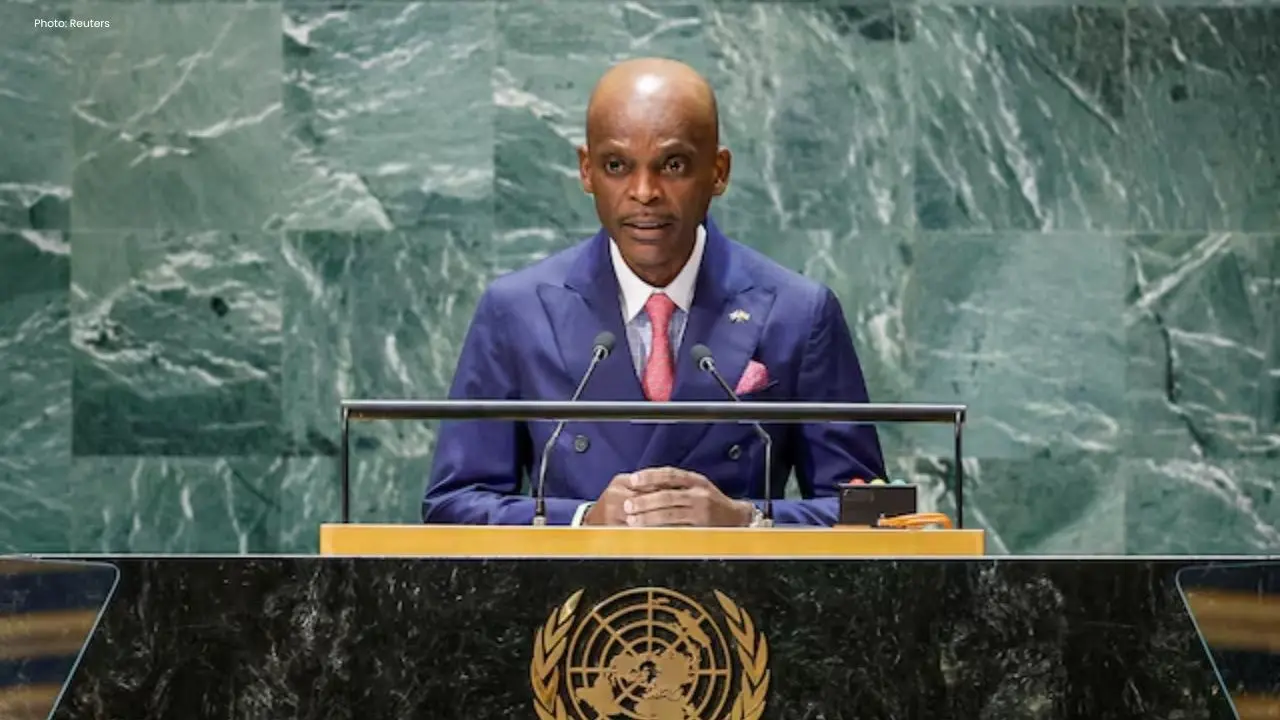
Togo Champions New World Map at UN
Togo advocates for a world map that accurately portrays Africa's true dimensions, challenging the di
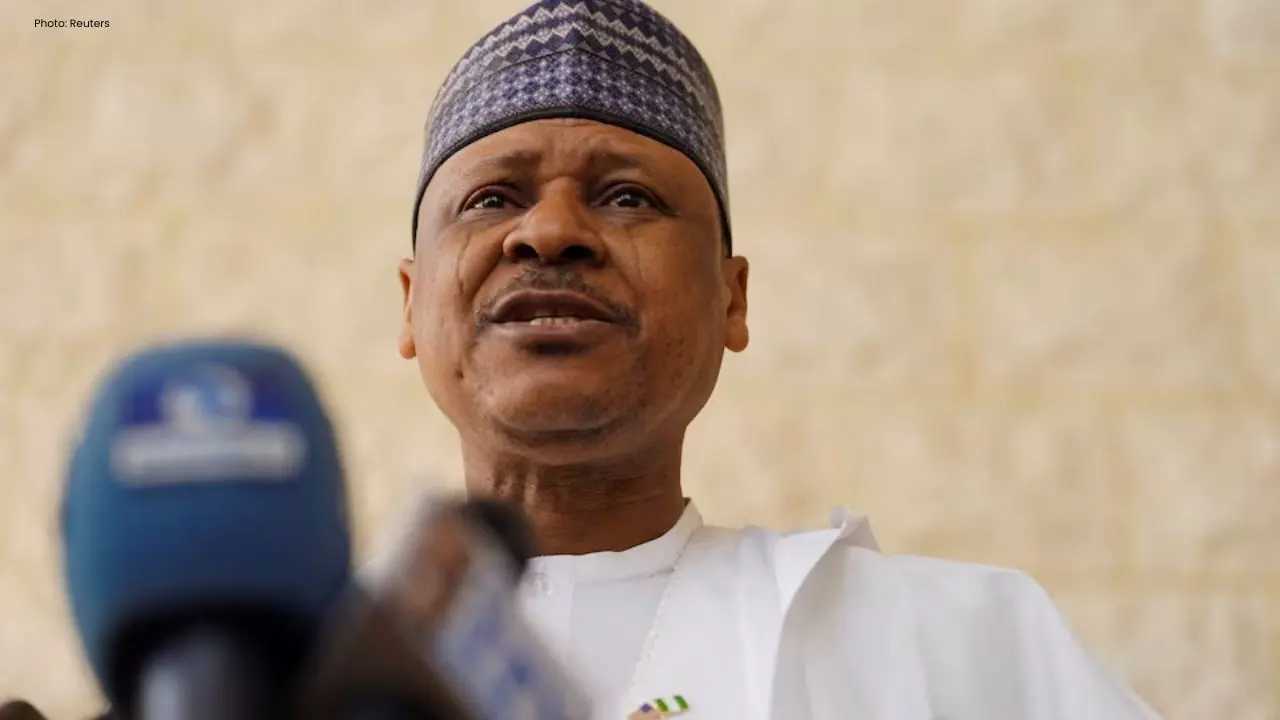
Nigeria Launches Investigation Following Fatal Airstrike
Nigerian authorities initiate a probe into an airstrike in Jilli, defending their actions while addr
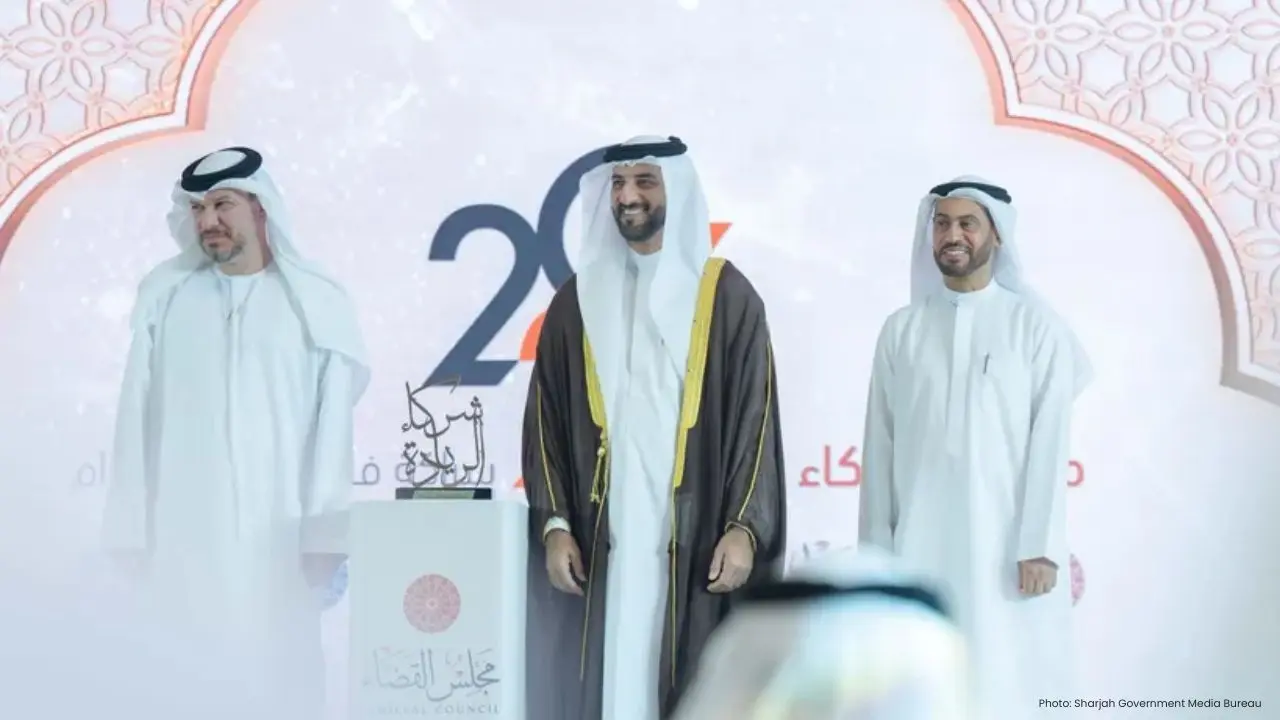
Sharjah Judicial Council Hosts Partners Forum Ceremony 2026
Sharjah Judicial Council forum held with Deputy Ruler attending. Event highlighted digital justice p
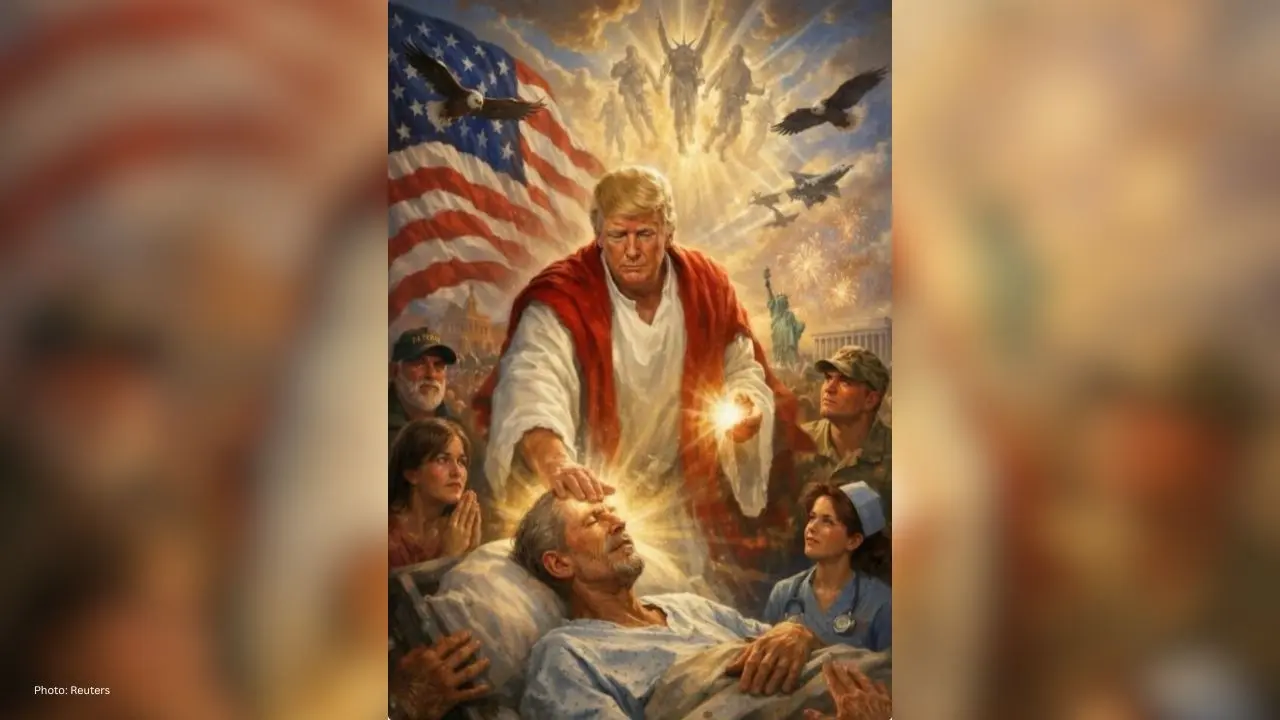
Trump's AI Jesus Image Draws Intense Criticism Amid Pope Dispute
Donald Trump's AI-generated image depicting him as Jesus stirs outrage, escalating tensions with Pop
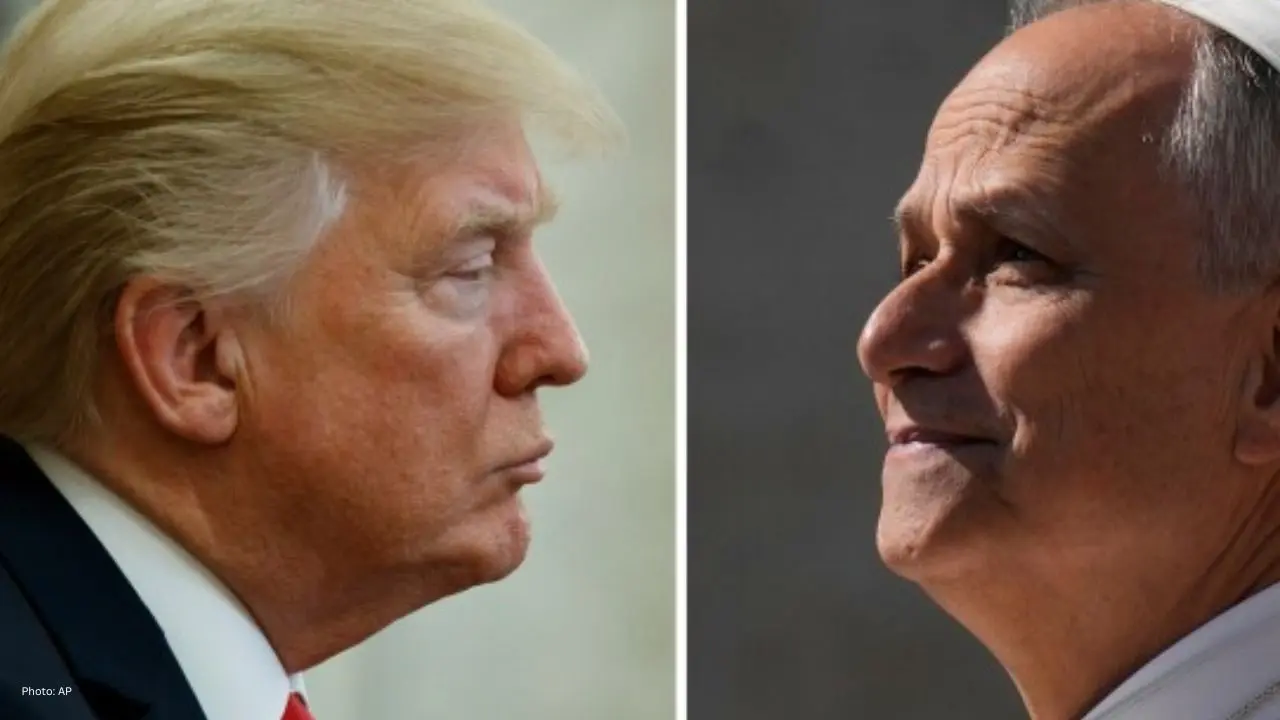
Trump Optimistic on Ending Iran Conflict Amid New Diplomatic Efforts
Donald Trump expresses optimism that the Iran conflict is nearing resolution as U.S. talks advance w
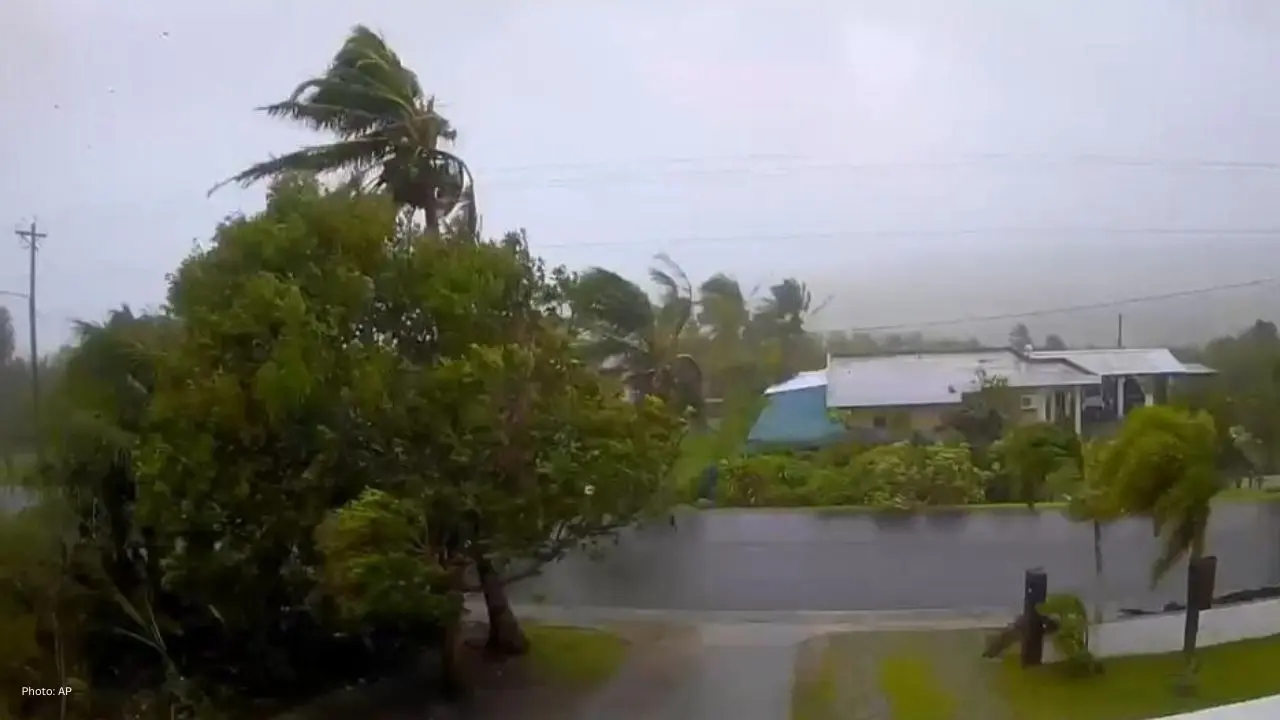
Devastating Super Typhoon Sinlaku Strikes U.S. Pacific Islands
Super Typhoon Sinlaku wreaked havoc on U.S. Pacific islands, unleashing winds of 240 km/h and forcin
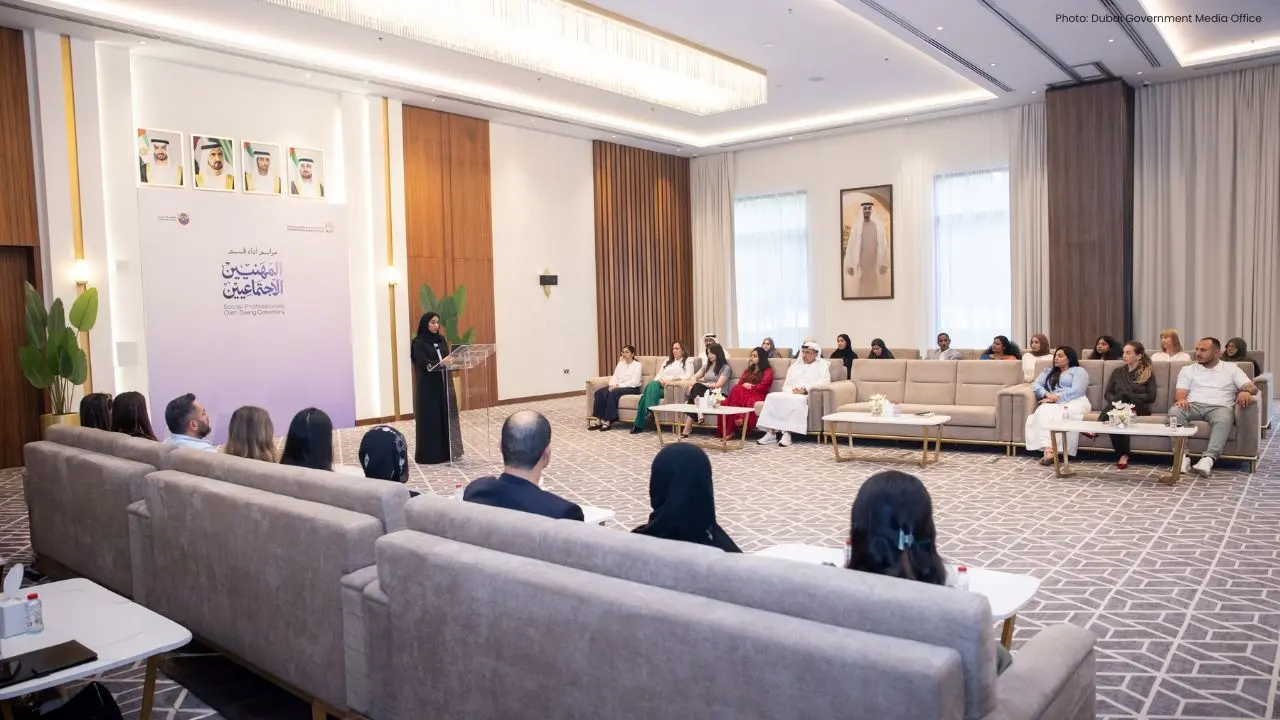
Dubai Social Professionals Take Oath, Strengthen Sector
Dubai licenses 49 social professionals, boosting service quality and community welfare


7 Daily Habits to Burn Belly Fat Naturally
Discover 7 simple daily habits to burn belly fat naturally without extreme dieting. Easy, effective

Power of Compounding: How $5,000 Can Grow Into $120,000
Discover how compounding turns $5,000 into $120,000 over time. Learn long-term investing strategies

When to Test Blood Sugar: Morning vs After Breakfast Explained
Should you check blood sugar fasting or after meals? Learn the best time to test glucose levels and

WhatsApp Down Today? Users Report Strange Issue Worldwide
WhatsApp users report message delays and strange issues worldwide. Find out what happened, why it oc

Is Your Phone Spying on You? 6 Android Settings to Turn Off Now
Worried your phone is spying on you? Learn 6 Android settings to turn off now to protect your privac

7 Protein-Rich Indian Foods You Should Add to Your Daily Diet
Discover 7 protein-rich Indian foods to boost your daily protein intake naturally without supplement

Is It Safe to Keep Laptop Plugged In All the Time? Battery Truth Explained
Is it safe to keep your laptop plugged in all day? Learn the truth about battery health, charging ha
Actual Cost of Living in Dubai for a Family : Rent, School Fees & Monthly Expenses
Discover the real cost of living in Dubai for a small family in 2026, including rent, school fees, g