
Post by : Zayd Kamal
In recent years, tourism has taken a significant turn toward more sustainable practices. As travelers become more conscious of their impact on the world, Regenerative Tourism has emerged as a revolutionary trend. This approach goes beyond simply minimizing harm to local environments and communities—it actively aims to restore and rejuvenate them. By focusing on creating positive change, regenerative tourism is transforming travel into an opportunity to make a lasting, beneficial impact. But what exactly does Regenerative Tourism mean, and how does it reshape the way we travel?
At its core, Regenerative Tourism is a model designed to ensure that tourism contributes to the restoration of the environment and the well-being of local communities. Unlike traditional tourism, which can sometimes lead to environmental degradation and local exploitation, regenerative tourism seeks to replenish and regenerate the ecosystems and cultures it touches. The goal is not only to minimize harm but to actively improve the destination through responsible travel practices. Regenerative tourism includes efforts such as supporting conservation projects, promoting fair trade, and creating long-term, sustainable benefits for the communities involved.
One of the most significant ways Regenerative Tourism transforms travel is by prioritizing the economic welfare of local communities. In traditional tourism models, most of the revenue often flows into the pockets of large, multinational companies, leaving local businesses with minimal benefits. Regenerative tourism flips this dynamic by directing funds toward locally-owned businesses, farms, artisans, and service providers. Travelers are encouraged to spend money at local markets, dine at family-owned restaurants, and stay in locally operated accommodations. This direct financial support creates a sustainable economic cycle that strengthens the community, providing long-term benefits and reducing the dependency on mass tourism.
In addition to supporting local economies, Regenerative Tourism places a strong emphasis on environmental conservation. Traditional tourism often leads to environmental damage, from overuse of natural resources to pollution and habitat destruction. Regenerative tourism takes a proactive approach by encouraging practices that help restore and protect the environment. This includes supporting initiatives such as reforestation projects, wildlife conservation efforts, and the protection of marine ecosystems. Travelers can get involved in these efforts through activities like planting trees, participating in clean-up events, or supporting eco-friendly businesses. By engaging with the environment in a meaningful way, tourists help to regenerate the very landscapes they explore, ensuring their preservation for future generations.
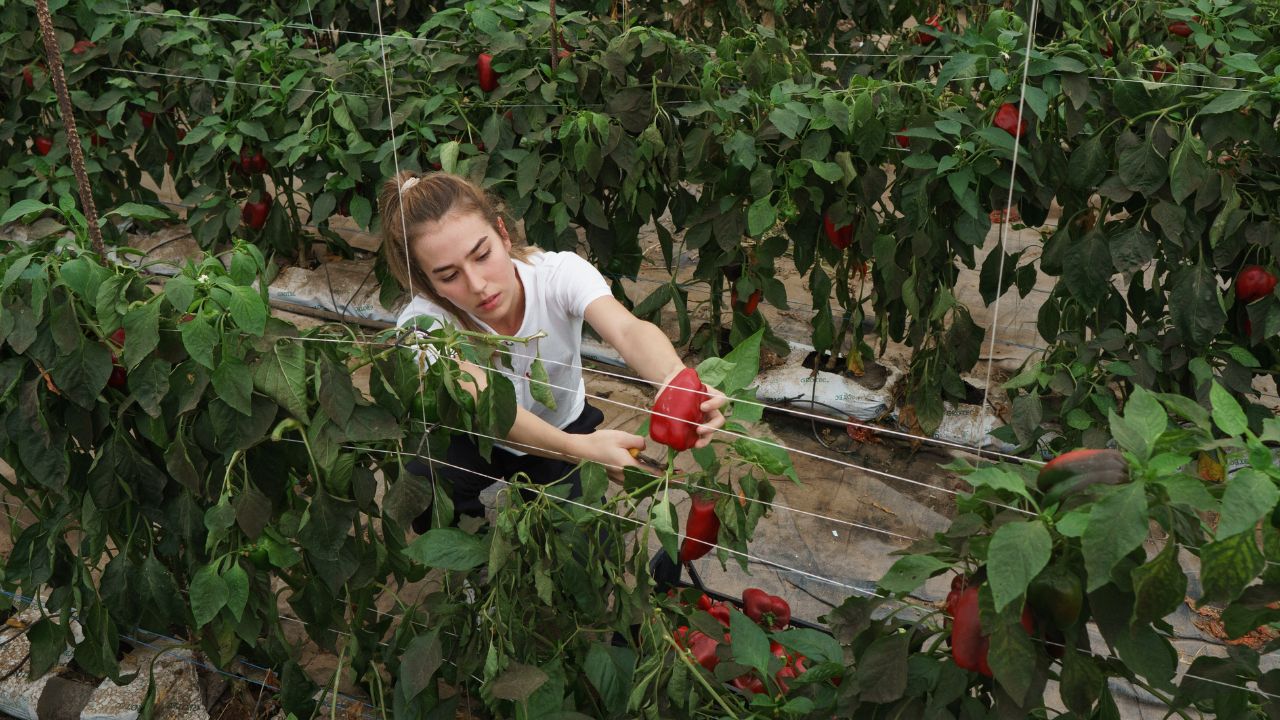
Another critical aspect of Regenerative Tourism is its commitment to preserving local culture. In many tourist destinations, the influx of visitors has led to the erosion of traditional practices and cultural identities. Regenerative tourism aims to combat this by actively supporting the preservation of cultural heritage. This might involve promoting the arts, supporting local craftspeople, and encouraging respectful cultural exchange. Travelers are given opportunities to engage with local traditions, understand their significance, and contribute to their continued existence. This approach ensures that cultural practices are not only maintained but also appreciated by those outside the community, fostering mutual respect and understanding.
The tourism industry often places immense pressure on local infrastructure, from roads to waste management systems. Overcrowding and poorly managed resources can lead to significant challenges for communities. Regenerative Tourism seeks to alleviate these issues by encouraging the development of sustainable infrastructure that benefits both locals and visitors. This could include eco-friendly accommodations, sustainable transportation options, and renewable energy initiatives. By choosing destinations that prioritize sustainability, travelers play a role in encouraging the development of infrastructure that reduces environmental impact and improves the quality of life for residents. This shift toward sustainable infrastructure also helps protect natural resources and makes a destination more resilient in the face of tourism-related challenges.
A key element of Regenerative Tourism is its focus on educating travelers about the social, cultural, and environmental significance of the places they visit. Instead of just sightseeing, tourists are encouraged to engage in experiences that offer deeper insights into local issues and needs. Many destinations offer guided tours, workshops, and volunteer opportunities that allow travelers to learn about the region’s challenges and contribute directly to its regeneration. This education fosters a greater sense of responsibility among travelers, making them more likely to choose sustainable and ethical travel practices. By educating visitors about how their actions impact the destination, regenerative tourism empowers them to make a positive difference, both during their trip and in the future.
As the global tourism industry continues to grow, the need for more responsible, sustainable practices has never been more urgent. Traditional tourism models often lead to negative consequences such as environmental degradation, overcrowding, and exploitation of local communities. Regenerative Tourism offers a solution to these problems by focusing on creating positive outcomes. It allows travelers to enjoy the beauty and culture of a destination while actively contributing to its preservation and improvement. By embracing regenerative tourism, the industry can foster a more sustainable future for both travelers and the places they visit, ensuring that tourism has a net positive impact on the world.
Several regions and companies are already leading the way in regenerative tourism. In Costa Rica, for example, the government has implemented various eco-tourism programs that focus on conservation and sustainability, such as wildlife reserves and reforestation projects. Similarly, New Zealand’s tourism industry emphasizes cultural preservation, encouraging tourists to engage with indigenous Māori traditions and contribute to local community development. These examples demonstrate how regenerative tourism can thrive in diverse destinations, creating models that other regions can follow. As more travelers choose to support these regenerative initiatives, the tourism industry will continue to evolve into a force for good.
Regenerative Tourism is a new type of travel that focuses on making a positive impact on the environment and local communities. Instead of just visiting a place and leaving, Regenerative Tourism encourages travelers to help restore and improve the areas they visit. By supporting local businesses, protecting nature, and preserving culture, Regenerative Tourism helps make travel better for everyone. Regenerative Tourism is about doing good while you travel, like planting trees, helping local people, and respecting traditions. It teaches us that we can enjoy our vacations while also giving back. By choosing Regenerative Tourism, we make a difference in the world.
Regenerative Tourism supports local economies by helping small businesses grow, and it encourages tourists to buy local products and stay in eco-friendly hotels. Regenerative Tourism also helps protect the environment by taking part in projects like cleaning up beaches and supporting wildlife protection. At the same time, Regenerative Tourism makes sure that we respect and preserve local culture, learning about traditions without damaging them. All these things help make our planet a better place while we enjoy traveling. By choosing Regenerative Tourism, we can have fun, learn, and make the world a better place.
This content is brought to you by dxb news network, and it provides information on Regenerative Tourism. The aim is to inform readers about how this type of travel benefits both the environment and local communities. Always do your research before making travel decisions.
Regenerative Tourism, Sustainable Travel, Local Community Impact, Travel and Conservation, Cultural Preservation, Eco-friendly Travel, Supporting Local Economies, Travel for Good, Environmental Restoration, Responsible Travel, Sustainable Tourism Practices, Community-based Tourism, Positive Travel Impact, Ethical Travel, Travel for Conservation, Eco-tourism, Cultural Heritage Preservation, Sustainable Travel Practices, Regenerative Travel Initiatives, Eco-friendly Tourism

Togo Champions New World Map at UN
Togo advocates for a world map that accurately portrays Africa's true dimensions, challenging the di

Nigeria Launches Investigation Following Fatal Airstrike
Nigerian authorities initiate a probe into an airstrike in Jilli, defending their actions while addr

Sharjah Judicial Council Hosts Partners Forum Ceremony 2026
Sharjah Judicial Council forum held with Deputy Ruler attending. Event highlighted digital justice p

Trump's AI Jesus Image Draws Intense Criticism Amid Pope Dispute
Donald Trump's AI-generated image depicting him as Jesus stirs outrage, escalating tensions with Pop

Trump Optimistic on Ending Iran Conflict Amid New Diplomatic Efforts
Donald Trump expresses optimism that the Iran conflict is nearing resolution as U.S. talks advance w

Devastating Super Typhoon Sinlaku Strikes U.S. Pacific Islands
Super Typhoon Sinlaku wreaked havoc on U.S. Pacific islands, unleashing winds of 240 km/h and forcin

Dubai Social Professionals Take Oath, Strengthen Sector
Dubai licenses 49 social professionals, boosting service quality and community welfare


7 Daily Habits to Burn Belly Fat Naturally
Discover 7 simple daily habits to burn belly fat naturally without extreme dieting. Easy, effective

Power of Compounding: How $5,000 Can Grow Into $120,000
Discover how compounding turns $5,000 into $120,000 over time. Learn long-term investing strategies

When to Test Blood Sugar: Morning vs After Breakfast Explained
Should you check blood sugar fasting or after meals? Learn the best time to test glucose levels and

WhatsApp Down Today? Users Report Strange Issue Worldwide
WhatsApp users report message delays and strange issues worldwide. Find out what happened, why it oc

Is Your Phone Spying on You? 6 Android Settings to Turn Off Now
Worried your phone is spying on you? Learn 6 Android settings to turn off now to protect your privac

7 Protein-Rich Indian Foods You Should Add to Your Daily Diet
Discover 7 protein-rich Indian foods to boost your daily protein intake naturally without supplement

Is It Safe to Keep Laptop Plugged In All the Time? Battery Truth Explained
Is it safe to keep your laptop plugged in all day? Learn the truth about battery health, charging ha

Actual Cost of Living in Dubai for a Family : Rent, School Fees & Monthly Expenses
Discover the real cost of living in Dubai for a small family in 2026, including rent, school fees, g