Post by : Omar Nasser
A new systematic review, commissioned by the World Health Organization (WHO) and published today in Environment International, has concluded that mobile phones are not associated with an increased risk of brain cancer. The review aims to address long-standing concerns about the potential health effects of radio wave exposure from mobile phones, which have often been questioned due to the devices’ proximity to the head during use and their emission of radio waves, a type of non-ionizing radiation.
Stay informed with the latest news. Follow DXB News Network on WhatsApp Channel
Historically, the question of whether mobile phones could cause cancer has been significant given their widespread use in daily life. Despite numerous studies and much public debate, the scientific consensus has consistently supported the notion that radio waves emitted by mobile phones do not pose a cancer risk.
In 2011, the International Agency for Research on Cancer (IARC), part of the WHO, classified radio wave exposure as a "possible carcinogen" based on limited evidence from earlier observational studies. This classification was frequently misunderstood, leading to heightened public concern. The IARC's decision was influenced by studies where brain cancer patients reported higher mobile phone use, a phenomenon that often reflects recall bias rather than a true cause-and-effect relationship.
The new review, which examined over 5,000 studies published between 1994 and 2022, included 63 relevant studies in its final analysis. This comprehensive review was conducted using a larger and more recent data set compared to previous investigations. It found no significant association between mobile phone use and brain cancer or other head and neck cancers. This included both short-term and prolonged use, with no increased risk observed even for individuals using mobile phones for ten years or more.
The review's findings align with previous research, reaffirming that the rise in mobile phone usage over recent decades has not been accompanied by an increase in brain cancer incidence. The results offer reassurance that existing safety limits for radio wave exposure, which mobile phones adhere to, are effective in protecting human health.
The review highlights the importance of continuing research as technology evolves. With ongoing advancements in wireless technology and changes in the frequencies and methods of radio wave use, it remains crucial to monitor any potential health impacts. The challenge moving forward will be to counteract persistent misconceptions and misinformation about the safety of mobile phones.
Overall, this latest research underscores that there is no evidence of harmful health effects from mobile phone use related to brain cancer, providing a strong endorsement of the current safety regulations.
Sarah Loughran, Director of Radiation Research and Advice at the Australian Radiation Protection and Nuclear Safety Agency (ARPANSA), and Ken Karipidis, Assistant Director of Health Impact Assessment at ARPANSA, contributed to the discussion on the implications of these findings. Their insights emphasize the need for ongoing vigilance and accurate communication regarding the health impacts of mobile technology.

Togo Champions New World Map at UN
Togo advocates for a world map that accurately portrays Africa's true dimensions, challenging the di

Nigeria Launches Investigation Following Fatal Airstrike
Nigerian authorities initiate a probe into an airstrike in Jilli, defending their actions while addr

Sharjah Judicial Council Hosts Partners Forum Ceremony 2026
Sharjah Judicial Council forum held with Deputy Ruler attending. Event highlighted digital justice p

Trump's AI Jesus Image Draws Intense Criticism Amid Pope Dispute
Donald Trump's AI-generated image depicting him as Jesus stirs outrage, escalating tensions with Pop

Trump Optimistic on Ending Iran Conflict Amid New Diplomatic Efforts
Donald Trump expresses optimism that the Iran conflict is nearing resolution as U.S. talks advance w
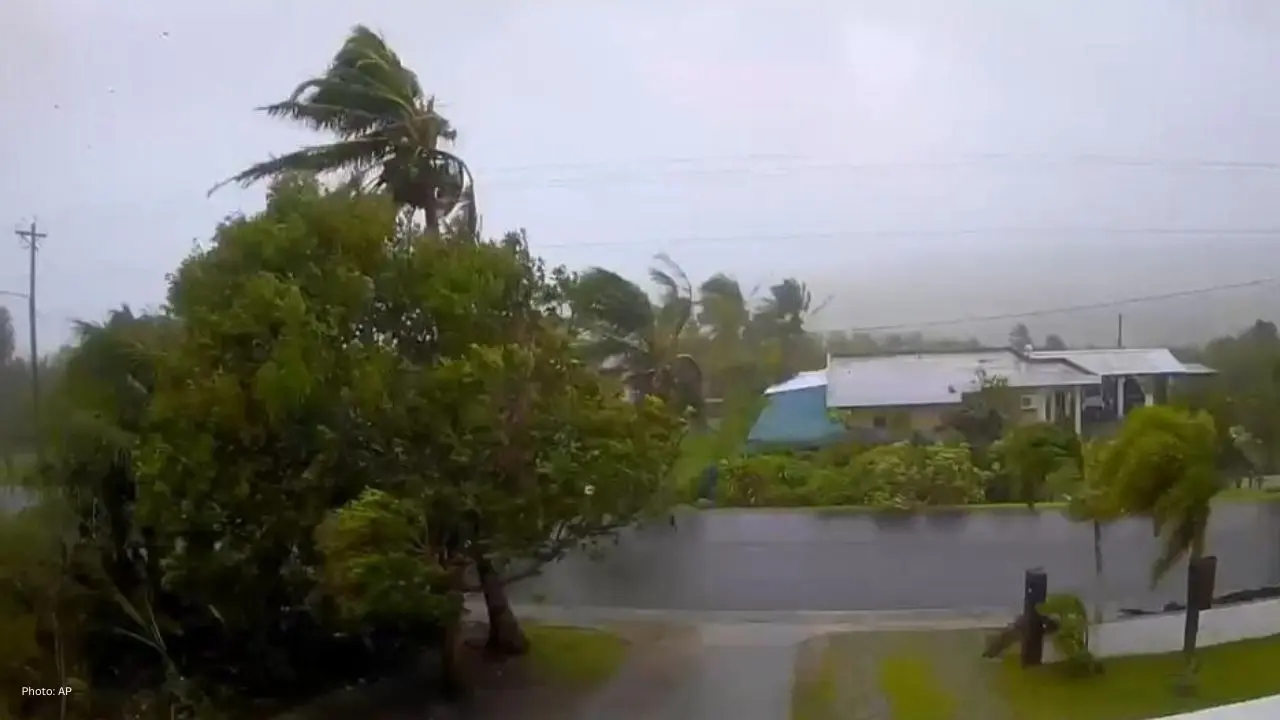
Devastating Super Typhoon Sinlaku Strikes U.S. Pacific Islands
Super Typhoon Sinlaku wreaked havoc on U.S. Pacific islands, unleashing winds of 240 km/h and forcin

Dubai Social Professionals Take Oath, Strengthen Sector
Dubai licenses 49 social professionals, boosting service quality and community welfare


7 Daily Habits to Burn Belly Fat Naturally
Discover 7 simple daily habits to burn belly fat naturally without extreme dieting. Easy, effective

Power of Compounding: How $5,000 Can Grow Into $120,000
Discover how compounding turns $5,000 into $120,000 over time. Learn long-term investing strategies

When to Test Blood Sugar: Morning vs After Breakfast Explained
Should you check blood sugar fasting or after meals? Learn the best time to test glucose levels and

WhatsApp Down Today? Users Report Strange Issue Worldwide
WhatsApp users report message delays and strange issues worldwide. Find out what happened, why it oc
Is Your Phone Spying on You? 6 Android Settings to Turn Off Now
Worried your phone is spying on you? Learn 6 Android settings to turn off now to protect your privac

7 Protein-Rich Indian Foods You Should Add to Your Daily Diet
Discover 7 protein-rich Indian foods to boost your daily protein intake naturally without supplement

Is It Safe to Keep Laptop Plugged In All the Time? Battery Truth Explained
Is it safe to keep your laptop plugged in all day? Learn the truth about battery health, charging ha

Actual Cost of Living in Dubai for a Family : Rent, School Fees & Monthly Expenses
Discover the real cost of living in Dubai for a small family in 2026, including rent, school fees, g