Post by : Sam Jeet Rahman
Dubai’s real estate market continues to attract international investors and expatriates seeking luxury properties, rental income, and long-term capital appreciation. With modern infrastructure, tax-free returns, and world-class amenities, Dubai remains a top destination for property investment. If you are an expat looking to buy property in Dubai in 2025, this comprehensive guide will walk you through all the essential steps, legal requirements, and tips to make the process smooth and successful.
Before buying property in Dubai, it is important to understand your eligibility as an expat:
Freehold Areas: Expats can purchase properties in designated freehold areas such as Dubai Marina, Downtown Dubai, Palm Jumeirah, Jumeirah Village Circle, and Business Bay.
Leasehold Properties: Some areas may allow leasehold ownership, typically up to 99 years, where full ownership is not granted.
Residency Permits: While owning property in Dubai can make you eligible for a property visa or residency permit, specific conditions such as property value thresholds apply.
By understanding your eligibility, you can choose the right type of property that meets your investment and residency goals.
Dubai offers a range of property types for expats, each catering to different needs and investment strategies:
Apartments: Ideal for first-time buyers or investors seeking rental income. Popular areas include Dubai Marina, Business Bay, and Downtown Dubai.
Villas and Townhouses: Suitable for families and high-net-worth buyers. Key areas include Palm Jumeirah, Arabian Ranches, and Jumeirah Golf Estates.
Commercial Properties: Offices, retail spaces, and warehouses for business investment. Freehold areas like Dubai International Financial Centre (DIFC) and Business Bay are popular.
Off-Plan Properties: Buying off-plan allows access to modern developments with flexible payment plans, often offered by developers like Emaar and Damac.
Choosing the right property type depends on your budget, investment goals, and lifestyle preferences.
Dubai’s real estate market offers a wide price range, so establishing a clear budget is crucial:
Property Prices in 2025: Apartments in popular areas may range from AED 800,000 to AED 4,000,000, while luxury villas can exceed AED 20,000,000.
Payment Plans: Developers often provide installment plans for off-plan properties, making it easier for expats to invest.
Mortgages for Expats: Banks in Dubai offer mortgages to foreign buyers, generally requiring 20-25% down payment for first-time expats. Eligibility depends on income, credit history, and residency status.
Setting a clear budget ensures that you target properties within your financial capacity while considering additional costs like maintenance fees, registration fees, and property taxes.
A professional real estate agent is essential to guide you through Dubai’s property market:
Licensed Agents: Ensure the agent is registered with RERA (Real Estate Regulatory Authority) for legal compliance.
Market Knowledge: Choose agents familiar with popular freehold areas and current market trends.
Negotiation Support: Agents help negotiate property prices, payment terms, and legal contracts.
Documentation Assistance: They assist with paperwork, including contracts, title deeds, and NOC requirements.
Working with an experienced agent saves time, reduces risk, and ensures a smoother buying process.
Once you have a budget and agent, start shortlisting properties based on location, size, amenities, and investment potential.
Virtual Tours and Floor Plans: Many developers and agents offer online tours to review layouts and designs.
On-Site Visits: Visiting shortlisted properties helps you assess the neighborhood, facilities, and quality of construction.
Community and Amenities: Check proximity to schools, hospitals, shopping centers, public transport, and leisure facilities.
Thorough inspection ensures you select a property that meets both your lifestyle and investment goals.
After choosing the property:
Submit an Offer: Your agent will present an offer to the seller or developer.
Negotiate Terms: Price, payment plan, and any additional benefits (like parking or furnishings) can be negotiated.
Earnest Money Deposit: Typically 2-5% of the property price is paid to confirm your interest.
Negotiating effectively can save thousands and secure favorable payment terms.
Dubai’s property purchase involves strict legal procedures to protect both buyers and sellers:
Sales Agreement: Once the offer is accepted, sign the Memorandum of Understanding (MOU), detailing price, payment terms, and delivery dates.
Title Deed Registration: The property must be registered with Dubai Land Department (DLD) to ensure legal ownership.
No Objection Certificate (NOC): Required from the developer to transfer ownership, particularly for off-plan or freehold properties.
Property Transfer Fees: Typically, DLD charges 4% of the property value as registration fees, plus a small admin fee.
Following the legal process carefully ensures smooth property ownership and prevents disputes.
Depending on whether the property is ready or off-plan, payment schedules vary:
Off-Plan Property: Developers offer phased payments, usually 10-20% upfront, with installments during construction, and final payment at handover.
Ready Property: Full payment or mortgage completion is required for immediate ownership.
Additional Costs: Include maintenance fees, service charges, and property insurance.
Planning finances ensures stress-free completion of the purchase process.
Expats investing in Dubai property can apply for a property-based residency visa under certain conditions:
Property Value Requirement: Typically AED 1,000,000 or more in freehold property qualifies.
Visa Duration: Usually 3 years, renewable if property ownership is maintained.
Application Process: Submit property documents, passport copies, medical test results, and Emirates ID application to immigration authorities.
Property-based visas provide both residency security and potential business or employment flexibility.
If your goal is investment or rental income:
Hire Property Management Companies: They handle tenants, maintenance, and rent collection.
Rental Yields: Dubai offers attractive rental yields ranging from 5-8% in prime areas.
Short-Term Rentals: Popular in tourist hotspots like Dubai Marina and Downtown Dubai, generating higher income potential.
Proper management ensures long-term returns and property value appreciation.
Research Market Trends: Study property price trends and emerging areas for maximum returns.
Check Developer Reputation: Invest with established developers with a track record of delivering on time.
Understand Service Fees: Account for annual maintenance fees, utility costs, and service charges.
Legal Compliance: Always verify ownership documents and ensure the property is free of disputes.
Consider Location: Proximity to transportation, schools, and leisure facilities increases property value.
Buying property in Dubai as an expat in 2025 is a rewarding opportunity for both personal use and investment purposes. By following this step-by-step guide, understanding legal requirements, working with reputable agents, and carefully selecting properties, expats can make informed decisions and secure valuable real estate assets in one of the world’s most dynamic property markets.
With Dubai’s strong infrastructure, growing economy, and investor-friendly policies, property ownership is not only feasible but also highly profitable for expats looking to establish a home or generate rental income.
Yes, expats can purchase property in Dubai, primarily in designated freehold areas such as Dubai Marina, Downtown Dubai, Palm Jumeirah, and Business Bay. Leasehold properties are also available in some areas, usually for up to 99 years.
No, a residency visa is not mandatory to buy property. However, purchasing property above a certain value (typically AED 1,000,000) may make you eligible to apply for a property-based residency visa, which is usually valid for 3 years and renewable.
Expats can invest in:
Apartments: Ideal for first-time buyers or investors.
Villas and Townhouses: Suitable for families seeking luxury and space.
Commercial Properties: Offices, retail, and mixed-use buildings.
Off-Plan Properties: Modern developments with phased payment plans.
Yes, buyers should consider:
Registration fees (typically 4% of property value)
Developer fees and service charges
Maintenance costs for residential communities
Mortgage-related fees if financing the property
Yes, rental income is allowed for expat property owners. Many investors hire property management companies to handle tenants, maintenance, and rent collection. Popular areas like Dubai Marina and Downtown Dubai offer attractive rental yields ranging from 5-8%.
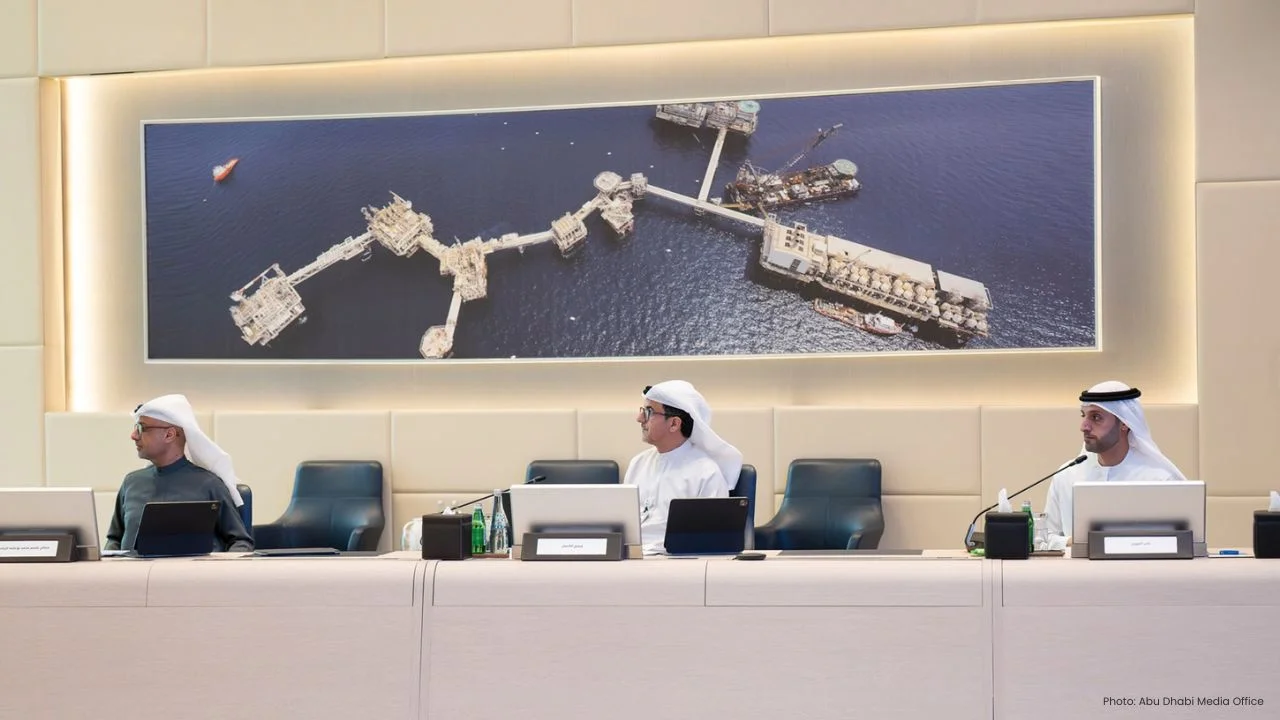
ADNOC Reviews Crisis Plans Amid Regional Security Threats
Abu Dhabi Crown Prince reviews ADNOC’s crisis plans, ensuring energy supply continuity, staff safety
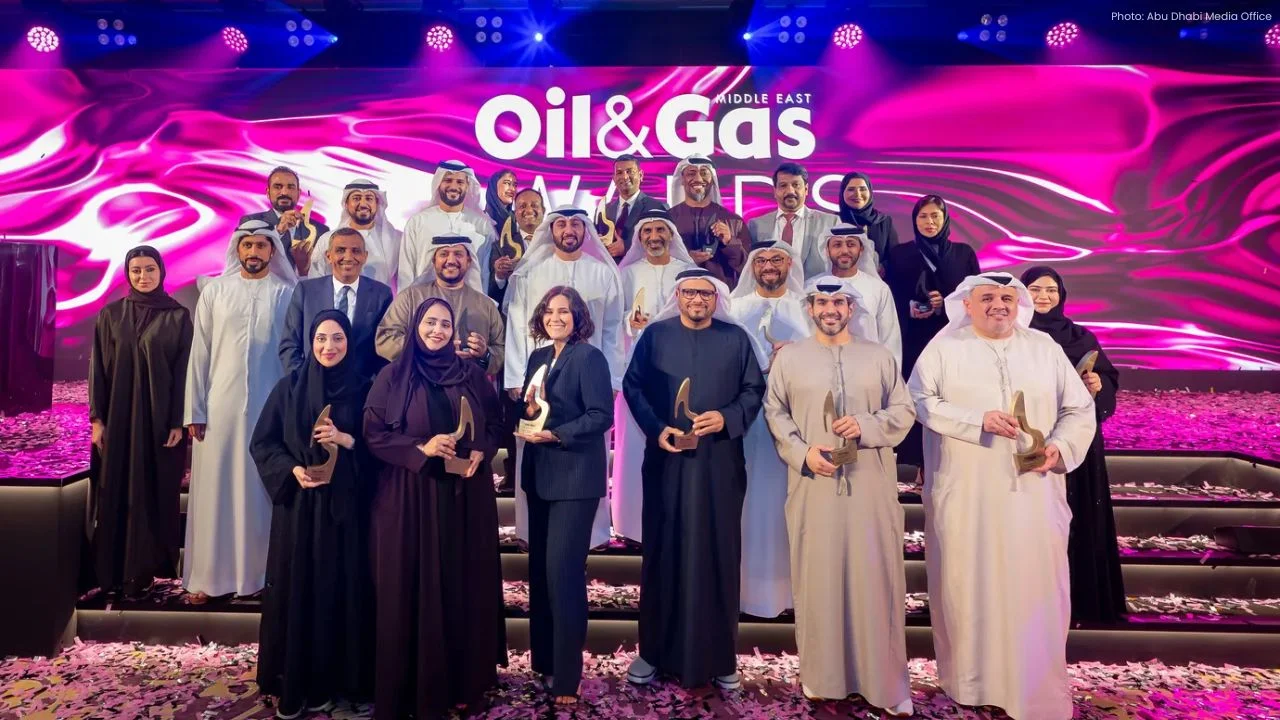
ADNOC wins 14 top honors at Oil & Gas Awards 2026
ADNOC bags 14 awards at Oil & Gas Middle East Awards 2026, showcasing excellence in innovation, sust

Apple’s 50-Year Journey: From Garage Startup to Giant
Apple marks 50 years from its humble garage beginnings to a $3.7 trillion tech giant, driven by inno

Masdar, TotalEnergies Launch $2.2bn Asia Clean Energy JV
Masdar and TotalEnergies sign $2.2bn JV to expand solar, wind and storage projects across Asia, targ

7.4 Quake Hits Indonesia, Tsunami Waves Recorded
A 7.4 magnitude earthquake off Indonesia triggered small tsunami waves, killing one person and damag

NASA Launches Artemis II Crew for 10-Day Lunar Mission
NASA launches Artemis II with four astronauts for a 10-day Moon mission, marking the first crewed lu

Abu Dhabi Launches Youth Emergency Response Initiative
Abu Dhabi launches youth emergency initiative to boost preparedness, train young talent, and strengt


NASA Launches Artemis II Crew for 10-Day Lunar Mission
NASA launches Artemis II with four astronauts for a 10-day Moon mission, marking the first crewed lu
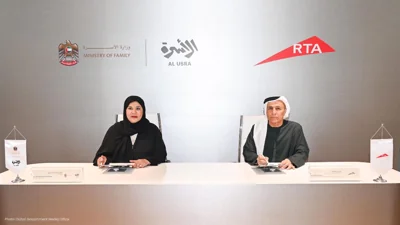
Dubai RTA, Ministry Partner for Family First Programme
Dubai RTA and Ministry of Family partner to enhance transport, urban spaces, and services under Fami

Bank of Baroda Faces Abu Dhabi Legal Battle over NMC Collapse
Bank of Baroda’s involvement in Abu Dhabi litigation tied to the NMC Healthcare collapse raises repu

Top Museum Openings of 2026 Set to Transform Global Tourism
From Los Angeles to Abu Dhabi and Brussels, 2026 brings major museum launches—Lucas Museum, Guggenhe

UAE Tour Highlights UAE’s Strength in Hosting Global Sports Events
Abu Dhabi Sports Council says the successful UAE Tour reflects the UAE’s leading role in hosting maj

EU Seeks Clarity from US After Supreme Court IEEPA Ruling
European Commission urges full transparency from the US on steps after Supreme Court ruling, emphasi

SpaceX Launches 53 New Satellites for Expanding Starlink Network
SpaceX launches 53 Starlink satellites in two Falcon 9 missions, breaking reuse records and expandin

RTA Awards Contract for Phase II of Hessa Street Upgrade in Dubai
Phase II of Hessa Street Development to add bridges, tunnel, and upgraded intersections, doubling ca