Post by : Manju Negi
Busting Nutritional Myths: Separating Fact from Fiction
In an age where information is just a click away, it's easy to fall victim to the myriad of nutritional myths circulating on the internet. From miracle diets to food phobias, these myths can not only mislead but also negatively impact your health. Let’s debunk some of the most common nutritional myths and set the record straight.
For many years, carbohydrates have gotten a bad reputation due to various diet trends. People often hear that carbs are the main cause of weight gain and many health problems. But it's important to know that not all carbs are the same. Whole grains, fruits, and vegetables are packed with essential nutrients and fiber, which are vital for a balanced diet and providing long-lasting energy. The real culprits to watch out for are refined carbs and sugars. By choosing complex carbohydrates, you can actually support weight management and improve your overall health.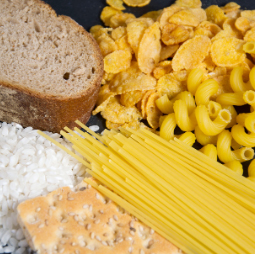
Carbohydrates are one of the body's main sources of energy. They come in two main types: simple and complex. Simple carbs, like those found in sugary snacks and drinks, are quickly broken down by the body, causing a spike in blood sugar levels. This can lead to energy crashes and increased hunger. On the other hand, complex carbs are found in whole grains, fruits, and vegetables. These are broken down more slowly, providing sustained energy and helping you feel fuller for longer.
Whole Grains: Foods like brown rice, quinoa, and whole wheat bread are rich in fiber, vitamins, and minerals. Fiber is particularly important because it aids in digestion, helps control blood sugar levels, and can lower cholesterol. Including whole grains in your diet can reduce the risk of heart disease and help with weight management.
Fruits: Fresh fruits are loaded with vitamins, minerals, and antioxidants. They are also a great source of natural sugars and fiber, which help to regulate your body's energy levels. Eating a variety of fruits can boost your immune system and improve your overall health.
Vegetables: Vegetables are low in calories but high in vitamins, minerals, and fiber. They are essential for maintaining a healthy weight and can reduce the risk of chronic diseases. Leafy greens, like spinach and kale, are especially nutrient-dense and can support heart health and digestion.
Refined carbs, such as white bread, pastries, and sugary cereals, have been stripped of most of their nutrients and fiber. Consuming these can lead to quick spikes in blood sugar and insulin levels, followed by rapid drops. This cycle can increase hunger and cravings, making it harder to manage your weight. Over time, a diet high in refined carbs can lead to obesity, type 2 diabetes, and other health issues.
Switching to complex carbohydrates can make a significant difference in your health. Here are some tips:
By understanding the difference between refined and complex carbohydrates, you can make better food choices that support your weight management goals and overall health. Remember, not all carbs are bad, and embracing the right kinds can lead to a healthier, more balanced diet.
In the late 20th century, the fat-free trend took the world by storm, convincing many that all fats were harmful to health. However, the truth is far from that misconception. Our bodies actually require fats for various essential functions, ranging from hormone production to the absorption of important nutrients. The key lies in choosing the right kinds of fats – the healthy ones.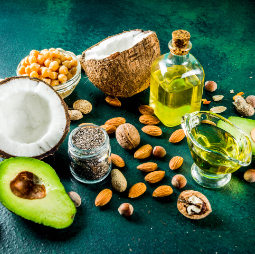
Dietary fats come in different forms, and not all are created equal. Here's a breakdown:
Healthy Fats: These include monounsaturated and polyunsaturated fats, which are beneficial for heart health and overall well-being. Sources of healthy fats include avocados, nuts, seeds, and olive oil.
Unhealthy Fats: Saturated and trans fats are the ones to watch out for. These fats can raise cholesterol levels and increase the risk of heart disease. Saturated fats are commonly found in animal products like butter, cheese, and fatty meats, while trans fats are often found in processed foods like chips, cookies, and fried foods.
In conclusion, not all fats are bad for you. Healthy fats are essential for optimal health and should be included as part of a balanced diet. By choosing sources of healthy fats like avocados, nuts, seeds, and olive oil, and limiting intake of saturated and trans fats, you can support your overall well-being and reduce the risk of chronic diseases. Remember, it's all about balance and making informed choices when it comes to your dietary fat intake.
Skipping meals, particularly breakfast, is sometimes hailed as a shortcut to weight loss. But the reality is quite different. While it might seem like a way to cut calories, skipping meals can actually work against your weight loss goals and harm your overall health.
Eating regular, balanced meals is key to maintaining stable blood sugar levels, preventing cravings, and supporting overall health. Here's why:
Breakfast is often called the most important meal of the day, and for good reason. A healthy breakfast kickstarts your metabolism, provides you with energy to start your day, and sets a positive tone for your eating habits throughout the day.
When choosing breakfast foods, opt for options that are high in fiber, protein, and healthy fats to keep you feeling full and satisfied until your next meal. Some nutritious breakfast ideas include oatmeal topped with nuts and fruit, Greek yogurt with berries and granola, or avocado toast with a side of scrambled eggs.
Skipping meals, including breakfast, is not a sustainable or healthy way to lose weight. Instead, focus on eating regular, balanced meals to support your overall health and weight loss goals. By fueling your body with nutritious foods throughout the day, you'll feel more energized, satisfied, and better equipped to reach your health and wellness goals.
Detox diets and cleanses often market themselves as a quick fix for shedding pounds and purging your body of harmful toxins. While the allure of detoxifying may be tempting, the truth is that our bodies are already well-equipped with sophisticated systems designed to eliminate waste and toxins naturally.

Instead of resorting to restrictive detox diets, focus on adopting healthy lifestyle habits that support your body's natural detoxification processes:
While detox diets and cleanses may promise quick results, they are often not backed by scientific evidence and can pose risks to your health. Instead, focus on nourishing your body with whole foods, staying hydrated, exercising regularly, and getting adequate sleep to support your body's natural detoxification processes. By adopting these healthy lifestyle habits, you can promote long-term health and well-being without resorting to extreme measures.
The idea that eating late at night causes weight gain is a common misconception that has been perpetuated for years. While it's true that late-night snacking can contribute to weight gain, it's not necessarily the timing of the meal that's the culprit, but rather the type and quantity of food consumed.

If you find yourself hungry late at night, it's okay to have a small, balanced snack to satisfy your hunger without sabotaging your weight loss efforts. Here are some tips for making healthy late-night choices:
Eating late at night doesn't inherently cause weight gain, but making poor food choices during late-night snacking can contribute to excess calorie intake and potential weight gain over time. By focusing on nutrient-dense, portion-controlled snacks and listening to your body's hunger cues, you can enjoy late-night snacks without derailing your weight loss goals. Remember, it's not about when you eat, but what and how much you eat that truly matters for overall health and weight management.
Protein has long been hailed as the powerhouse nutrient for muscle repair and growth, and rightfully so. It plays a crucial role in building and repairing tissues, supporting immune function, and even regulating hormones. While protein shakes and supplements have become popular among fitness enthusiasts and athletes, the truth is that most people can easily meet their protein needs through a balanced diet alone.

While protein shakes and supplements can be convenient, they are not necessary for most people to meet their protein needs. Instead, focus on incorporating a variety of natural, whole food sources of protein into your diet. Here are some examples:
While most people can meet their protein needs through whole foods alone, there are certain situations where protein supplements may be beneficial. These include:
Protein is an essential nutrient for overall health and well-being, playing a vital role in muscle repair, satiety, and immune function. While protein shakes and supplements can be convenient, they are not necessary for most people to meet their protein needs. By focusing on a balanced diet that includes a variety of natural protein sources like lean meats, dairy, legumes, and whole grains, you can easily support your body's protein requirements and achieve your health and fitness goals.
The debate over organic versus conventionally grown foods has been ongoing for years, with many people believing that organic foods are inherently healthier due to their farming practices. While organic farming does offer benefits such as reduced synthetic pesticide use and a focus on soil health, the nutritional disparities between organic and conventionally grown produce are actually quite minimal.

When it comes to choosing between organic and conventionally grown foods, it ultimately comes down to personal preference, budget, and environmental considerations. While organic foods may offer certain benefits in terms of reduced pesticide exposure and environmental sustainability, they are not inherently superior to conventionally grown foods in terms of nutritional value.
While organic foods are often perceived as the healthier choice, the nutritional differences between organic and conventionally grown produce are minimal. Instead of fixating on whether a food is organic or conventional, focus on consuming a varied diet rich in fruits, vegetables, whole grains, and lean proteins. Washing produce thoroughly before consumption can help remove any pesticide residues, ensuring that you can enjoy a safe and nutritious diet regardless of how your food was grown.
Summary: The debate over organic versus conventionally grown foods continues to be a topic of discussion, with many believing that organic foods are inherently healthier due to their farming practices. While organic farming does offer benefits such as reduced synthetic pesticide use and a focus on soil health, studies have shown that the nutritional differences between organic and conventionally grown produce are minimal. Both types of produce contain essential nutrients, and consuming a varied diet rich in fruits, vegetables, whole grains, and lean proteins is far more important for overall health. Additionally, washing produce thoroughly can help remove any pesticide residues, ensuring safe consumption.
Disclaimer: The views and opinions expressed in this article are those of the author and do not necessarily reflect the official policy or position of DXB News Network. The information provided is for informational purposes only and should not be construed as medical advice or a substitute for professional medical expertise. Readers are advised to consult with a qualified healthcare professional before making any dietary changes or decisions regarding their health. DXB News Network does not endorse any specific dietary practices or products mentioned in this article.

Dubai Allows 24/7 Truck Movement to Boost Logistics
Dubai extends 24/7 truck movement to support logistics, excluding key tunnels. Authorities urge driv

BoE Holds Rates at 3.75% as Iran War Fuels Inflation
Bank of England holds rates at 3.75% as Iran war drives oil prices up, raising inflation risks and d

Ananya Panday shines at Lakme Fashion Week 2026
Ananya Panday walked as showstopper for Rahul Mishra at Lakme Fashion Week 2026, wearing an ivory ou

Gold Prices Edge Up, Set for Third Weekly Decline
Gold prices rose slightly but are heading for a third weekly loss as a strong US dollar and Fed tigh

Philippine Airlines Suspends Dubai, Doha Flights Till April 30
Philippine Airlines has suspended Manila-Dubai and Doha flights till April 30 due to Middle East ten

Deadly Factory Fire in Daejeon Kills 11, Several Missing
A massive fire at an auto parts factory in Daejeon, South Korea, has killed 11 people, injured 59, a

Sanofi Opens Innovation Centre in Chengdu China
Sanofi opens its first China Innovation Centre in Chengdu, boosting R&D, clinical trials, and supply


Bank of Baroda Faces Abu Dhabi Legal Battle over NMC Collapse
Bank of Baroda’s involvement in Abu Dhabi litigation tied to the NMC Healthcare collapse raises repu

Top Museum Openings of 2026 Set to Transform Global Tourism
From Los Angeles to Abu Dhabi and Brussels, 2026 brings major museum launches—Lucas Museum, Guggenhe

UAE Tour Highlights UAE’s Strength in Hosting Global Sports Events
Abu Dhabi Sports Council says the successful UAE Tour reflects the UAE’s leading role in hosting maj

EU Seeks Clarity from US After Supreme Court IEEPA Ruling
European Commission urges full transparency from the US on steps after Supreme Court ruling, emphasi

SpaceX Launches 53 New Satellites for Expanding Starlink Network
SpaceX launches 53 Starlink satellites in two Falcon 9 missions, breaking reuse records and expandin

RTA Awards Contract for Phase II of Hessa Street Upgrade in Dubai
Phase II of Hessa Street Development to add bridges, tunnel, and upgraded intersections, doubling ca

UAE Gold Prices Today, Monday 16 February 2026: Dubai & Abu Dhabi Updated Rates
Gold prices in UAE on 16 Feb 2026 updated: 24K around AED 599.75/gm, 22K AED 555.25/gm, and 18K AED

Over 25 Ahmedabad Schools Receive Bomb Threat Email, Authorities Investigate
More than 25 schools in Ahmedabad evacuated after bomb threat emails mentioning Khalistan. Authoriti